
A washing machine that refuses to drain is a frustrating laundry day hiccup. A tub full of stagnant, soapy water not only halts your laundry progress but can also create a breeding ground for mold and mildew. Fortunately, troubleshooting and resolving this common issue is often within the realm of DIY capabilities. In this guide, we’ll walk you through the steps to identify the culprit behind your washing machine’s drainage woes and provide effective solutions to get your laundry routine back on track.
Understanding the Drainage System
Before diving into troubleshooting, it’s helpful to understand the basic components involved in your washing machine’s drainage system:
- Drain Pump: This pump actively forces water out of the machine and into the drain hose.
- Drain Hose: A flexible hose that carries wastewater from the machine to the household drain.
- Filter: A screen or mesh trap that catches lint, debris, and small objects to prevent them from clogging the drain pump or hose.
- Pressure Switch: A sensor that monitors water levels in the machine. If the water level doesn’t drop after a certain time, it may signal a drainage issue.

Troubleshooting and Solutions
1. Safety First:
- Unplug the Machine: Always disconnect the power before attempting any repairs or inspections.
- Wear Gloves: Protect your hands from sharp objects or debris that might be lodged in the filter or drain hose.
2. Check the Drain Hose:
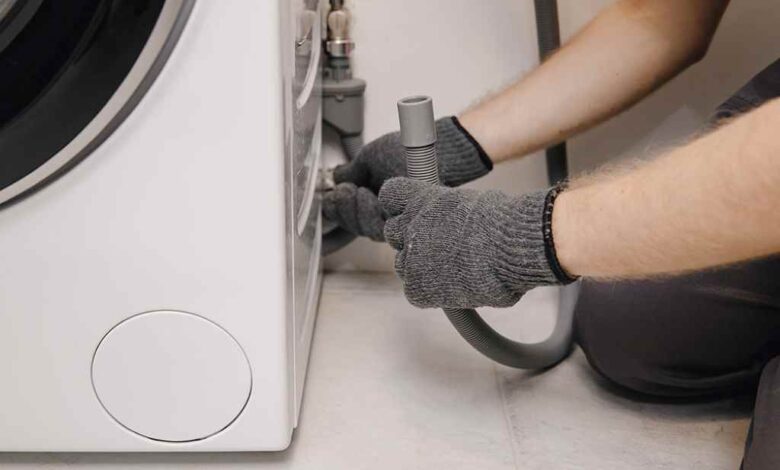
- Kinks or Bends: Ensure the hose is free of any kinks or bends that might obstruct water flow.
- Clogs: Disconnect the hose from both the machine and the drainpipe. Inspect it for any blockages, such as lint, hair, or debris. Use a long brush or a straightened coat hanger to clear any obstructions. For additional maintenance tips, including how to wire a washing machine motor to a plug, you might want to read more on proper appliance care and troubleshooting.
3. Clean the Filter:
- Locate the Filter: Consult your machine’s manual for the exact location of the filter. It’s typically found at the front or bottom of the machine behind a small access panel.
- Drain Residual Water: Place a shallow pan or towels beneath the filter to catch any water that might spill out.
- Remove and Clean: Carefully unscrew or unclip the filter and remove it. Rinse it thoroughly under running water to remove any trapped debris.
4. Inspect the Drain Pump:
- Access the Pump: The drain pump is usually located near the bottom of the machine, behind a panel or access door. Refer to your manual for specific instructions.
- Check for Obstructions: Carefully inspect the pump for any visible debris or foreign objects that might be impeding its operation.
- Test the Impeller: If accessible, gently try to rotate the impeller (the pump’s fan-like blades) to ensure it’s not jammed or seized.
5. Address the Pressure Switch:
- Check for Blockages: If the pressure switch is clogged or malfunctioning, it might not accurately detect water levels, leading to drainage issues. Carefully clean the switch or consult a technician for further assistance.
6. Additional Tips:
- Run a Cleaning Cycle: Some machines have dedicated cleaning cycles that use hot water and detergent to flush out any accumulated debris.
- Avoid Overloading: Overloading the machine can put strain on the drainage system and contribute to clogs.
- Regular Maintenance: Periodically clean the filter and inspect the drain hose to prevent future drainage problems.
When to Call a Professional:
- Persistent Issues: If the problem persists despite your troubleshooting efforts, it’s advisable to call a qualified appliance repair technician.
- Complex Repairs: If the issue involves internal components of the machine, such as the motor or control board, it’s best to leave the repairs to a professional.
Preventing Future Clogs:
- Shake Out Laundry: Before loading clothes into the machine, shake them out to remove any loose debris, such as coins, tissues, or hair ties.
- Use Mesh Laundry Bags: Place small items, like socks or lingerie, in mesh laundry bags to prevent them from getting lost in the machine and causing clogs.
- Check Pockets: Empty all pockets before washing to avoid surprises like gum, pens, or lip balm ending up in the machine.
Refreshing Your Washing Machine:
- Clean the Drum: Run an empty cycle with hot water and a cup of white vinegar to remove any lingering odors or residue.
- Wipe Down the Exterior: Use a damp cloth to clean the exterior of the machine, paying attention to the control panel and detergent dispenser.
- Leave the Door Ajar: After each use, leave the door slightly open to allow air circulation and prevent mold growth.
Conclusion
A washing machine that won’t drain can disrupt your laundry routine, but with a bit of troubleshooting, you can often resolve the issue yourself. By following the steps outlined in this guide and adopting preventive measures, you can keep your washing machine running smoothly and your laundry days stress-free. Remember, if you encounter complex problems or are unsure about any repairs, don’t hesitate to seek professional assistance.
Extra Tips and Considerations:
- Check the Standpipe: If your washing machine drains into a standpipe, ensure it’s the correct height (usually between 30 and 39 inches) and is not clogged.
- Consider Water Supply: In rare cases, low water pressure can affect the machine’s ability to drain properly.
- Document Your Efforts: Keep a record of the troubleshooting steps you’ve taken and any error codes displayed by the machine. This information can be helpful when consulting a technician.
- Invest in a Washing Machine Cleaner: Periodically use a commercial washing machine cleaner to deep clean the interior of the machine and prevent buildup.
By addressing drainage issues promptly and practicing good maintenance habits, you can prolong the life of your washing machine and enjoy fresh, clean laundry for years to come.