
What is an Appropriate Gift for Chinese New Year?

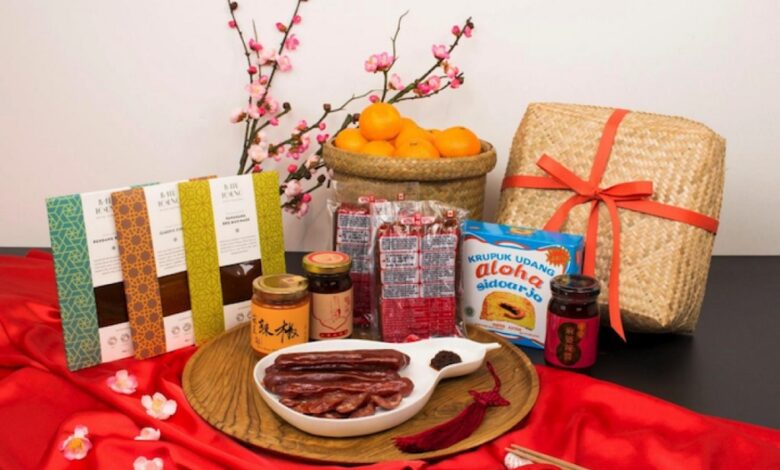
Table of Contents
ToggleThe Cultural Significance of Gift-Giving During Chinese New Year
Gift-giving during Chinese New Year is steeped in symbolism. The act of giving is meant to convey good luck, prosperity, health, and happiness for the year ahead. It’s also a way of expressing gratitude, respect, and strengthening relationships within families and communities.
Traditionally, Chinese New Year gifts are often given to family members, friends, colleagues, and even neighbors. The gifts exchanged can vary depending on the region, but the overall idea is to share positive energy and good fortune. The Chinese place great importance on avoiding gifts that may be perceived as inauspicious, and certain customs guide gift selection.
Things to Consider When Choosing a Gift
Before we dive into specific gift ideas, it’s important to understand the cultural nuances that shape what is considered an appropriate or thoughtful gift for Chinese New Year:
- Color: Red is the color of luck and happiness in Chinese culture. It is the predominant color of Chinese New Year decorations, as it is believed to ward off evil spirits and bring good fortune. Therefore, gifts wrapped in red or gold packaging are often preferred. Conversely, the color white is associated with mourning and funerals, so gifts wrapped in white or black should be avoided.
- Numerology: In Chinese culture, numbers hold symbolic meaning. For example, the number 8 is considered extremely lucky because it sounds similar to the word for wealth (發, “fa”), while the number 4 is considered unlucky as it sounds like the word for death (死, “si”). Gifts associated with the number 8 or multiples of 8 are often preferred, while gifts in sets of 4 should be avoided.
- Quantity: The number of items in a gift set can also carry meaning. In general, even numbers are seen as auspicious, while odd numbers are linked to bad luck or misfortune. However, there are some exceptions, like giving a set of six items, which is also considered lucky because six sounds like the word for “smooth” (顺, “shun”), symbolizing a smooth year ahead.
- Gift Types: Certain types of gifts are more appropriate during Chinese New Year. These typically include items that are symbolic of good fortune, wealth, health, or happiness. It’s also important to avoid gifts that are seen as negative or unlucky.
Appropriate Gifts for Chinese New Year
Now that we’ve covered some cultural aspects, let’s dive into specific gifts that are considered appropriate for Chinese New Year. Here are some of the most popular and thoughtful options:
1. Red Envelopes (Lai See or Hongbao)
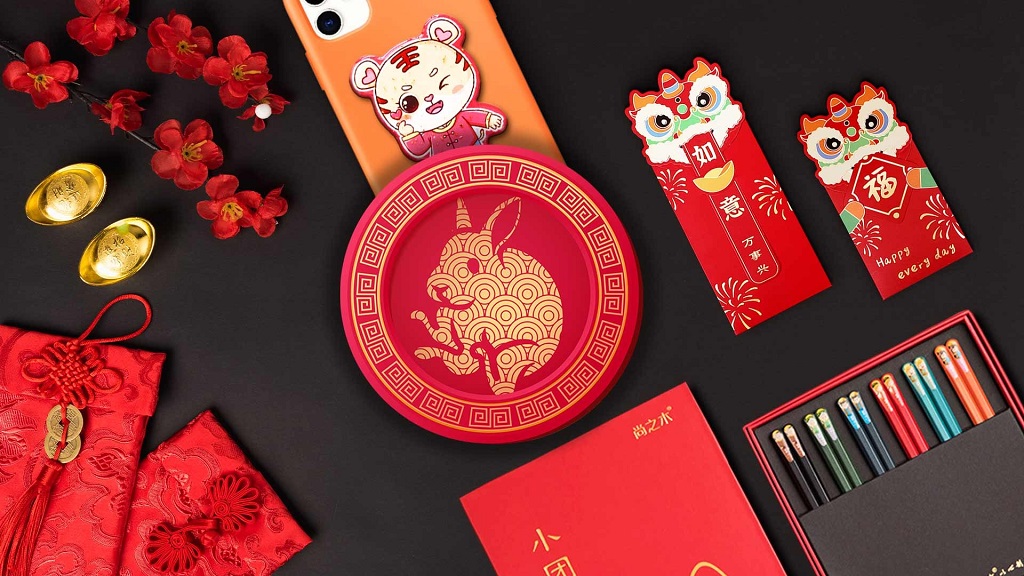
One of the most iconic and widely practiced gift-giving traditions during Chinese New Year is the giving of red envelopes, also known as “Lai See” in Cantonese or “Hongbao” in Mandarin. These envelopes are typically filled with money and given to children, unmarried adults, or employees as a token of good luck. The amount of money inside doesn’t need to be extravagant, but the symbolism is important. As mentioned earlier, money amounts in even numbers (such as 8 or 6) are preferred. The practice of giving red envelopes is meant to transfer good fortune and blessings for the new year.
2. Tea
Tea is an important part of Chinese culture, and it can make a lovely and thoughtful gift for Chinese New Year. Special varieties of tea, such as oolong or green tea, are often given to family and friends to symbolize health and vitality. High-quality tea, particularly in beautifully decorated boxes, can be a great way to show appreciation.
3. Fruits and Sweet Treats
Fruits and sweets are symbolic of abundance and prosperity, making them perfect for Chinese New Year gift baskets. Commonly gifted fruits include oranges and tangerines, which are associated with wealth and good luck due to their round shape and golden color. Pineapples are also considered auspicious in many regions of China because the word for pineapple, “ong-lai,” sounds like “prosperity arrives.”
Sweet treats like candies, chocolates, or traditional Chinese sweets, such as sesame balls or almond cookies, are popular choices. They symbolize sweetness and happiness, wishing the recipient a year filled with joy and harmony.
4. Health and Wellness Gifts
Well-being is an important theme during Chinese New Year, and gifts that promote health are highly appreciated. Herbal teas, vitamins, wellness products, and items like a massage tool or a neck pillow are great options. These gifts show you care about the recipient’s health and happiness in the coming year.
5. Decorative Items
Symbolic decorations such as lucky charms, hanging ornaments, and auspicious symbols can be wonderful gifts. Common items include Chinese knots, zodiac animal figurines, or red lanterns, which bring good fortune and happiness. If you are gifting a decoration, ensure it aligns with the recipient’s zodiac sign or personal tastes for a more thoughtful touch.
6. Clothing and Accessories
New clothing is often worn during Chinese New Year to symbolize a fresh start and new beginnings. Gifting red or gold clothing items, such as scarves, socks, or even sweaters, can be a great way to embrace the festive spirit. Jewelry, especially items with lucky charms or symbols of prosperity, is also an excellent choice.
7. Wine or Liquor
Premium bottles of wine or Chinese liquor such as Baijiu or Moutai are commonly given to adults as a gesture of respect and good wishes. These drinks are often shared during family meals or celebrations, symbolizing joy and connection.
Gifts to Avoid During Chinese New Year
While many gifts are seen as thoughtful and auspicious, certain gifts should be avoided as they are considered inauspicious or disrespectful:
- Clocks or Watches: In Chinese, the word for “clock” (钟, “zhong”) sounds like the word for “end” or “death” (终, “zhong”), making them an inappropriate gift as they symbolize an end or farewell.
- Sharp Objects: Knives, scissors, or anything sharp should be avoided, as they can symbolize the cutting off of relationships or bad luck.
- Handkerchiefs: Giving a handkerchief can be seen as a symbol of mourning, and should be avoided, as it is associated with farewells and sadness.
- Pears: The word for pear (梨, “li”) sounds similar to the word for “separation” (离, “li”), so gifting pears is often seen as promoting separation or breakups.
Read More Also: How to Educate Yourself on Social Issues
FAQ
1. What is the best way to present a gift for Chinese New Year?
Gifts are often presented with both hands, as a sign of respect. It is customary to offer the gift in red or gold wrapping, as these colors represent good luck and prosperity.
2. Is there a specific amount of money to put in a red envelope?
There is no fixed amount, but the money should be in an even number, preferably 6, 8, or 10, as these numbers are considered lucky.
3. Can I give a gift to someone older than me?
Yes, giving gifts to older individuals is a common practice. In fact, red envelopes are often given to children and unmarried adults by older relatives.
Conclusion
Chinese New Year is a time of renewal, reflection, and celebration, and giving appropriate gifts is an important part of the festivities. Whether you choose traditional red envelopes, symbolic fruits, or wellness-oriented presents, the key is to be thoughtful and respectful of the recipient’s culture and preferences. With a little care and attention to detail, you can share good fortune and joy with your loved ones during this special time of year. Remember, the heart behind the gift is what truly matters most.