


Starting a washing machine business can be a profitable venture. However, success requires careful planning and thorough risk assessment. A well-crafted business plan serves as your roadmap to navigate challenges and seize opportunities in this competitive market.
Understanding the Washing Machine Business Landscape
The laundry equipment industry continues to grow steadily. More people are seeking convenient washing solutions, whether through laundromats, rental services, or retail stores. Therefore, understanding your market is the first step toward creating a solid business plan.
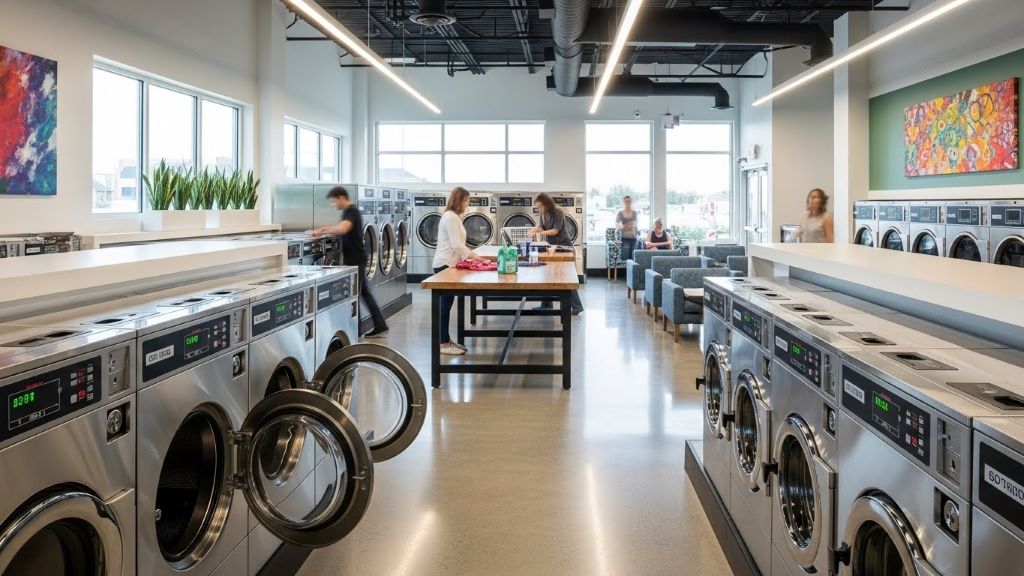
Before diving into planning, you need to identify your specific niche. Will you operate a laundromat? Sell washing machines? Offer repair services? Additionally, consider whether you’ll focus on residential or commercial clients. Each path requires different strategies and investment levels.
Conducting Market Research
Market research forms the foundation of your business plan. Start by analyzing your local area. How many competitors exist nearby? What services do they offer? Furthermore, identify gaps in the market that your business could fill.
Talk to potential customers about their needs. Survey local apartment complexes, hotels, or residential neighborhoods. Understanding customer pain points helps you design better services. Moreover, research industry trends and technological advancements in washing machine technology.
According to the U.S. Small Business Administration, thorough market research reduces business risks significantly. Consequently, investing time in this phase pays dividends later.
Defining Your Business Model
Your business model explains how you’ll make money. Will you charge per wash? Sell machines outright? Offer subscription services? Each model has different profit margins and operational requirements.
Consider the laundromat model. Customers pay per use, providing steady cash flow. Alternatively, a retail model involves selling machines with higher per-transaction profits but less frequent sales. Some entrepreneurs combine multiple revenue streams for greater stability.
Think about your target demographic carefully. Students need affordable options. Busy professionals value convenience and speed. Families require large-capacity machines. Therefore, align your services with customer preferences to maximize success.
Creating Financial Projections
Financial projections demonstrate your business’s viability. Start with startup costs. Calculate expenses for equipment, location rental, utilities, licenses, and initial marketing. Be realistic and add a buffer for unexpected costs.
Next, project your revenue. Estimate how many customers you’ll serve daily or monthly. Multiply this by your pricing to calculate gross income. However, remember that building a customer base takes time. Your first-year projections should be conservative.
Include operating expenses such as rent, utilities, maintenance, insurance, and salaries. Subtract these from your projected revenue to estimate net profit. Additionally, create cash flow projections to ensure you can cover expenses during slow periods.
Most lenders want to see break-even analysis. This shows when your business will become profitable. Typically, washing machine businesses break even within 18 to 36 months, depending on location and investment size.
Developing Your Marketing Strategy
Marketing attracts customers to your business. Your strategy should outline how you’ll reach your target audience. Digital marketing offers cost-effective options for new businesses.
Create a professional website showcasing your services, prices, and location. Use local SEO to appear in search results when people look for laundry services nearby. Social media platforms help you engage with the community and share promotions.
Traditional marketing still works effectively. Distribute flyers in apartment buildings and college campuses. Partner with local businesses for cross-promotion opportunities. Furthermore, consider offering opening discounts to attract initial customers.
Word-of-mouth remains powerful in service businesses. Provide excellent customer service to encourage referrals. Implement a loyalty program to retain customers and boost repeat business.
Identifying Potential Risks
Every business faces risks. Identifying them early allows you to prepare mitigation strategies. Equipment failure represents a major risk for washing machine businesses. Machines break down, requiring expensive repairs or replacements.
Competition poses another significant threat. New laundromats or services could open nearby, dividing your customer base. Economic downturns may reduce discretionary spending on laundry services. Additionally, regulatory changes could increase operating costs.
Location-specific risks deserve attention too. Flooding could damage equipment. Vandalism might require security investments. Utility cost increases directly impact your profit margins. Therefore, consider each risk’s likelihood and potential impact.
Performing Risk Analysis
Risk analysis involves evaluating each identified risk systematically. Create a risk matrix categorizing threats by probability and severity. High-probability, high-impact risks need immediate attention and robust mitigation plans.
For equipment failure, consider purchasing extended warranties or maintenance contracts. Keep reserve funds for emergency repairs. Alternatively, lease equipment instead of buying to transfer some risk to suppliers.
Competitive risks require differentiation strategies. Offer superior customer service, cleaner facilities, or unique amenities like free Wi-Fi. Monitor competitors regularly and adjust your offerings accordingly.
Financial risks need careful management. Maintain adequate insurance coverage for property, liability, and business interruption. Build an emergency fund covering three to six months of operating expenses. Moreover, diversify revenue streams when possible.
According to Entrepreneur, businesses with comprehensive risk management strategies survive economic challenges better than those without them.
Creating Contingency Plans
Contingency plans outline your response to potential problems. If a major machine breaks down, can you rent temporary equipment? Do you have backup suppliers for parts and services?
Consider various scenarios. What if revenue falls 30 percent below projections? You might reduce operating hours, cut discretionary expenses, or launch aggressive marketing campaigns. Having predetermined responses saves valuable time during crises.
Natural disasters require specific plans. Where will you store important documents? How will you communicate with customers during outages? Additionally, review and update contingency plans regularly as your business evolves.
Establishing Operational Procedures
Operational procedures ensure smooth daily functioning. Document processes for opening and closing, handling payments, maintaining equipment, and managing customer complaints. Standardized procedures improve efficiency and service quality.
Employee training is crucial if you hire staff. Create training manuals covering all aspects of operation. Emphasize customer service, safety protocols, and troubleshooting common issues. Well-trained employees reduce operational risks significantly.
Maintenance schedules prevent costly breakdowns. Inspect machines regularly. Clean filters, check hoses, and test coin mechanisms. Preventive maintenance extends equipment life and reduces unexpected repair costs.
Securing Funding
Most washing machine businesses require substantial startup capital. Calculate your total funding needs, including startup costs and operating expenses until profitability. Explore various funding sources to find the best fit.
Traditional bank loans offer competitive interest rates but require strong credit and collateral. The Small Business Administration provides guaranteed loans with favorable terms for qualifying applicants. Alternatively, consider investors who provide capital in exchange for equity.
Personal savings reduce debt burden but increase personal financial risk. Credit cards offer quick access to funds but carry high interest rates. Crowdfunding works for businesses with compelling stories that resonate with communities.
Present your business plan professionally to potential lenders or investors. Highlight your market research, financial projections, and risk mitigation strategies. Demonstrate your industry knowledge and management capability convincingly.
Monitoring and Adjusting Your Plan
A business plan is not static. Review and update it regularly as circumstances change. Track key performance indicators like customer count, revenue per machine, and profit margins. Compare actual results against projections monthly.
If performance lags behind expectations, investigate why. Are marketing efforts insufficient? Is pricing too high? Do customers complain about specific issues? Use data to make informed adjustments rather than guessing.
Celebrate successes but stay vigilant. Rapid growth creates new challenges like capacity constraints or quality control issues. Therefore, scale operations thoughtfully to maintain service standards while expanding.
Conclusion
Preparing a comprehensive washing machine business plan with thorough risk analysis sets the foundation for success. Start with detailed market research to understand your customers and competition. Define a clear business model and create realistic financial projections. Develop marketing strategies to attract and retain customers.
Identify potential risks systematically and create mitigation strategies for each. Establish contingency plans for various scenarios. Document operational procedures to ensure consistency and efficiency. Secure adequate funding through appropriate sources.
Remember that planning is an ongoing process. Monitor your business performance regularly and adjust strategies as needed. With careful preparation and adaptive management, your washing machine business can thrive in this growing market.
Frequently Asked Questions
How much money do I need to start a washing machine business?
Startup costs vary widely depending on your business model and location. A small laundromat typically requires $200,000 to $500,000 for equipment, lease deposits, renovations, and initial operating expenses. Retail stores need less equipment but more inventory investment. Create detailed projections for your specific situation.
What are the biggest risks in the washing machine business?
Equipment failure, intense competition, and economic downturns represent the primary risks. Additionally, location-dependent factors like high utility costs or low foot traffic can impact profitability. Thorough risk analysis and mitigation planning help address these challenges effectively.
How long does it take for a washing machine business to become profitable?
Most washing machine businesses achieve profitability within 18 to 36 months. However, timeline depends on factors like location, competition, initial investment, and management efficiency. Conservative financial projections help you plan for this break-even period appropriately.
Should I buy or lease washing machines for my business?
Both options have advantages. Buying machines requires higher upfront costs but provides long-term ownership and no monthly payments. Leasing reduces initial investment and includes maintenance services, but creates ongoing expenses. Consider your capital availability, risk tolerance, and business goals when deciding.
What makes a washing machine business location successful?
Successful locations have high foot traffic, limited competition, and target demographic proximity. Areas near apartments, colleges, or low-income housing typically perform well. Ensure adequate parking, good visibility, and safe neighborhoods. Additionally, verify zoning regulations permit your business type before committing.
Related Topics:
Creating a Defensive Portfolio Without Sacrificing Growth
Student Loan Debt and the Hidden Academic Crisis: A Guide to Settlement Solutions