


Inwood Hill Park offers one of the most remarkable birdwatching experiences in New York City. This 196-acre natural sanctuary in northern Manhattan provides urban birders with an escape into a world of diverse habitats and abundant wildlife. Whether you’re a seasoned ornithologist or a curious beginner, the park’s trails reveal stunning opportunities to observe migratory and resident bird species throughout the year. New York Big Event features this location as a premier outdoor destination for nature enthusiasts exploring Manhattan’s hidden gems.
Why Inwood Hill Park Stands Out for Birdwatching
Inwood Hill Park contains the last natural forest in Manhattan. This unique feature makes it a critical stopover point for birds migrating along the Atlantic Flyway. The park’s varied ecosystems include salt marshes, rocky outcrops, meadows, and dense woodlands. These diverse habitats attract over 150 bird species annually.
Additionally, the park’s location at the northern tip of Manhattan creates a natural funnel for migrating birds. During spring and fall migrations, birdwatchers can spot warblers, thrushes, and raptors in impressive numbers. The best Inwood Hill Park trail for birdwatching winds through these varied habitats, offering optimal viewing opportunities at different elevations and terrain types.
Prime Birdwatching Locations Within the Park
The main trail system provides access to several exceptional birdwatching spots. The salt marsh along the Hudson River attracts herons, egrets, and various waterfowl. Early morning visits often reveal great blue herons stalking through shallow waters while green herons hide among the reeds.
The forested sections along the ridgeline trail offer excellent songbird viewing. Warblers flit through the canopy during migration season, creating colorful displays of yellow, orange, and blue. Woodpeckers drum on tree trunks throughout the year. The red-bellied woodpecker and downy woodpecker are common residents.
Furthermore, the rocky overlooks provide perfect vantage points for observing raptors. Red-tailed hawks soar overhead while scanning for prey. During autumn migration, sharp-shinned hawks and Cooper’s hawks patrol the skies. Peregrine falcons occasionally make dramatic appearances, diving at incredible speeds.
Seasonal Birdwatching Highlights
Spring migration brings the most diverse bird activity to Inwood Hill Park. From late April through May, warblers arrive in waves. Species like the black-throated blue warbler, magnolia warbler, and American redstart fill the trees with song. Orioles flash brilliant orange plumage while building intricate hanging nests.
Summer months offer reliable sightings of breeding residents. Baltimore orioles nest in tall trees near the edges. Cedar waxwings travel in flocks, feeding on berries. Wood thrushes sing their haunting flute-like songs from shaded forest floors.
However, autumn migration provides the longest viewing window. From August through November, southbound migrants pass through continuously. Thrushes forage on the ground beneath leaf litter. Sparrows gather in brushy areas. Hawks migrate along the river corridor in impressive numbers.
Winter birdwatching rewards patient observers. According to the New York City Audubon Society, winter residents include white-throated sparrows, dark-eyed juncos, and various woodpecker species. Bald eagles occasionally appear along the Hudson River shoreline.
Trail Routes for Maximum Bird Diversity
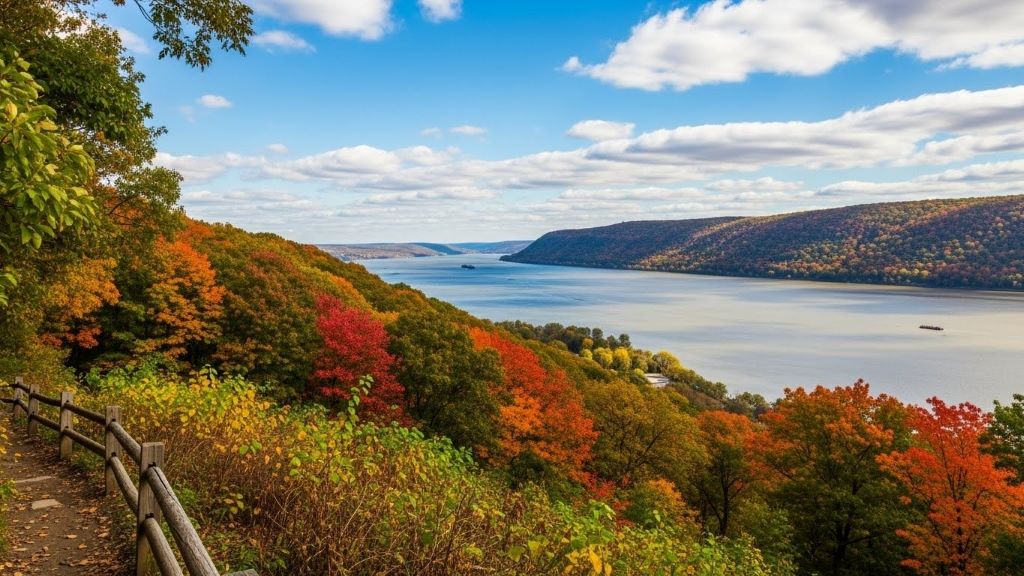
The main loop trail covers approximately three miles and passes through all major habitat types. Starting from the park’s southern entrance, the trail climbs gradually through mature forest. This section provides excellent warbler habitat during migration.
The ridge trail continues north, offering elevated views across the canopy. Bird species here include various thrushes, vireos, and flycatchers. The trail then descends toward the salt marsh, where habitat transitions create edge effects that attract diverse species.
Therefore, combining multiple trail segments maximizes birdwatching opportunities. The shorter Clove Trail provides quick access to the forest interior. The Overlook Trail leads to rocky promontories perfect for hawk watching. Each route offers distinct advantages depending on season and target species.
Essential Birdwatching Tips for Inwood Hill Park
Timing significantly impacts birdwatching success. Early morning hours, particularly around sunrise, provide peak activity. Birds feed actively after the cool night, and morning light illuminates colorful plumage beautifully. Weekday mornings offer quieter conditions with fewer park visitors.
Bringing proper equipment enhances the experience. Binoculars with 8x or 10x magnification work well for forest birdwatching. A field guide specific to eastern North America helps with identification. According to Cornell Lab of Ornithology, smartphone apps like Merlin Bird ID provide instant identification assistance through photos and sound recordings.
Additionally, moving slowly and quietly increases sighting opportunities. Birds flee from sudden movements and loud noises. Stopping frequently to scan the canopy and listen for calls reveals hidden species. Many birds announce their presence through distinctive vocalizations before becoming visible.
Dressing appropriately ensures comfort during extended outings. Layers work well for variable spring and fall temperatures. Neutral colors like olive, brown, and gray help avoid startling birds. Comfortable walking shoes with good traction handle the varied terrain safely.
Connecting with the Local Birding Community
Joining organized bird walks provides learning opportunities and companionship. The New York City Audubon Society leads regular walks through Inwood Hill Park during migration seasons. Experienced leaders share identification tips and point out species that solitary birders might miss.
Online communities offer year-round connection with fellow enthusiasts. The eBird platform allows birders to log sightings and view recent reports from Inwood Hill Park. These reports help plan visits around rare species sightings or peak migration timing.
Furthermore, participating in citizen science projects contributes valuable data. The Christmas Bird Count includes Inwood Hill Park in its survey area. Contributing observations helps scientists track population trends and migration patterns over time.
Conservation and Responsible Birdwatching
Protecting Inwood Hill Park’s natural habitats ensures future birdwatching opportunities. Staying on designated trails prevents erosion and habitat damage. Avoiding sensitive areas during nesting season protects breeding birds from disturbance.
Responsible photography practices maintain bird welfare. Using appropriate zoom lenses eliminates the need to approach closely. Never using audio playback to lure birds prevents unnecessary stress. Observing from a respectful distance allows natural behaviors to continue undisturbed.
Supporting park conservation initiatives strengthens protection efforts. Volunteering for trail maintenance or habitat restoration projects directly benefits bird populations. Donations to organizations like the New York City Audubon Society fund ongoing conservation work.
Conclusion
Inwood Hill Park stands as Manhattan’s premier birdwatching destination. The park’s diverse habitats, strategic location along migration routes, and accessible trail system create exceptional opportunities for observing over 150 bird species. Whether visiting during peak spring migration or quiet winter months, the park rewards patient observers with memorable wildlife encounters. The combination of natural forest, salt marsh, and rocky overlooks within an urban setting makes Inwood Hill Park truly special. Therefore, both novice and experienced birders should explore these trails to discover the remarkable avian diversity thriving in northern Manhattan.
Frequently Asked Questions
What is the best time of year for birdwatching at Inwood Hill Park?
Spring migration from late April through May offers the greatest species diversity. However, autumn migration from August through November provides the longest viewing window with consistent bird activity. Each season presents unique opportunities.
Do I need a permit to birdwatch in Inwood Hill Park?
No permit is required for birdwatching in Inwood Hill Park. The park is free and open to the public during daylight hours. Simply bring your binoculars and enjoy exploring the trails.
What rare bird species have been spotted in Inwood Hill Park?
Rare sightings have included yellow-crowned night herons, prothonotary warblers, and various vagrant species blown off course during migration. Checking recent eBird reports reveals current unusual sightings.
Are the trails suitable for beginners?
Yes, the main trails feature well-maintained paths suitable for all skill levels. Some sections include moderate elevation changes, but most routes remain accessible to beginners. Starting with shorter loops allows new hikers to build confidence.
Can I bring my dog while birdwatching?
Dogs are allowed on trails but must remain leashed. However, dogs may disturb birds and reduce wildlife sighting opportunities. Consider visiting without pets for the best birdwatching experience.
Related Topics:
Top ten travel guides to travel like an expert
Cherry Blossoms in Japan: What Month They Bloom and Where to Go


