How To Customize a Cruiser Bike: Practical Upgrades for Comfort, Style, and Everyday Riding

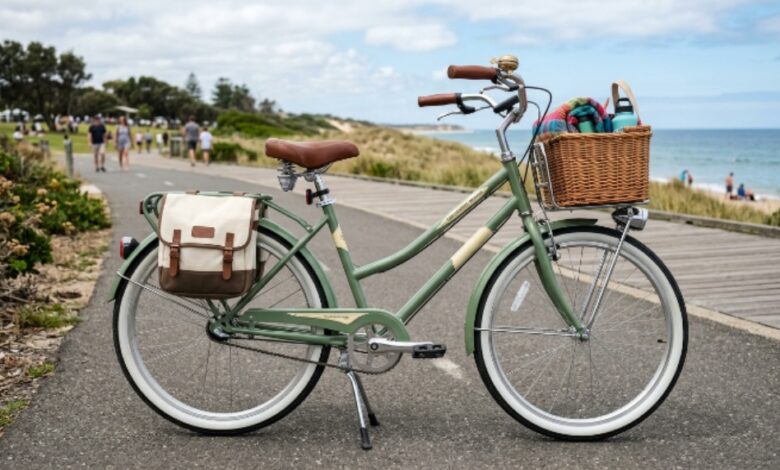
You can customize a cruiser bike by improving contact points, controls, tires, storage, lighting, and visual details. Start with two to four practical upgrades, then adjust the bike after several rides to confirm each change helps. A cruiser should feel relaxed, predictable, and easy to control during everyday trips. Small changes can improve comfort without turning the bike into an entirely different machine. In many cases, a few hours of thoughtful customization can address several common riding frustrations. The key involves upgrading the parts that affect your hands, seat, feet, visibility, and riding position first.
Start With the Ride, Not the Appearance
Before buying accessories, identify what feels wrong during actual rides. Ride your cruiser on familiar streets and pay attention to pressure points, awkward controls, vibration, and handling.
Write down the problems instead of immediately buying replacement parts. That simple step prevents attractive accessories from becoming expensive clutter.
Check These Five Contact Points
Your body interacts with the bicycle through several important areas:
- Hands: Watch for numbness, pressure, or excessive wrist bending.
- Seat: Notice soreness, sliding, or uncomfortable pressure.
- Feet: Check whether your shoes sit naturally on the pedals.
- Back: Notice whether your riding position feels relaxed.
- Eyes: Check whether you can see controls, traffic, and obstacles easily.
These observations create a useful customization plan. Moreover, they help you spend money on improvements that solve real problems.
Upgrade the Saddle for Better Comfort
The saddle often creates the biggest difference between an enjoyable cruiser and an uncomfortable one. A wider saddle can suit relaxed riding positions, but width alone does not guarantee comfort.
Choose a saddle that supports your sit bones without creating excessive pressure elsewhere. Look for suitable padding, supportive shaping, and a cover that stays comfortable during longer rides.
Avoid the Softest Saddle Automatically
Extremely soft padding can feel comfortable during a short test ride. However, excessive cushioning may allow your body to sink unevenly during longer rides.
A supportive saddle usually works better than one that simply feels soft. Test your position before replacing the saddle again.
Set Saddle Height Correctly
Your saddle height directly affects pedaling comfort and knee movement. Start with a position that allows your leg to extend naturally without forcing your hips to rock.
Then make small adjustments after riding. Even a modest height change can noticeably alter your pedaling position.
Change the Handlebars for Your Riding Style
Handlebars strongly influence posture, steering feel, and wrist comfort. Cruiser bikes often use relaxed handlebars, but different shapes can create noticeably different riding positions.
If you want a more upright position, consider a handlebar with additional rise or sweep. If your current bar feels too close, a different shape can create more useful space.
Match Bar Shape With Reach
A handlebar should let your shoulders remain relaxed while keeping your hands easy to control. Excessive reach can make a casual cruiser feel unnecessarily stretched.
Meanwhile, bars that sit too close can crowd your knees and restrict natural movement. Adjust the setup gradually rather than making a dramatic change immediately.
Consider Grip Comfort
Grips provide another simple customization opportunity. Choose grips that feel secure without forcing your hands to squeeze tightly.
Ergonomic shapes can distribute pressure across your palms. Furthermore, textured surfaces can improve control when your hands become sweaty.
Improve Pedals and Foot Control
Pedals receive constant pressure during every ride, so their design deserves more attention than many riders expect. A larger platform can provide better support for casual footwear.
Look for pedals with dependable bearings and enough surface area for your normal shoes. A grippy surface also helps prevent your feet from sliding during acceleration.
Match Pedals to Daily Use
Flat pedals generally suit riders who use ordinary shoes around town. They also make frequent stops and starts simple.
If you ride mainly for relaxed transportation, prioritize stability and comfort. Avoid complicated pedal systems unless they genuinely support your riding habits.
Upgrade the Tires Before Chasing Performance
Tires influence comfort, grip, rolling feel, and confidence. Therefore, they deserve priority when customizing a cruiser for everyday riding.
Choose tires according to your normal surfaces and weather conditions. Smooth urban pavement needs different tread characteristics than rough paths or mixed surfaces.
Use the Correct Tire Pressure
Tire pressure changes how your cruiser feels beneath you. Higher pressure can reduce rolling resistance, while lower pressure can increase comfort on suitable surfaces.
Stay within the pressure range printed on the tire sidewall. Then adjust gradually according to your weight, road conditions, and riding feel.
Check pressure regularly because tires naturally lose air over time. A simple pressure check can improve the ride without replacing anything.
Add Practical Lighting
Good lighting improves visibility and helps other road users notice you. It also makes a customized cruiser more useful for commuting and evening errands.
Use a bright white front light and a red rear light when riding after dark. Select rechargeable models if you want convenient daily use.
Position Lights for Better Visibility
Place lights where luggage, baskets, or clothing cannot easily block them. Keep the beam aimed appropriately so you can see without unnecessarily dazzling others.
Also check battery levels before longer rides. A reliable lighting routine works better than carrying an unused light with a dead battery.
Add Storage Without Overloading the Bike
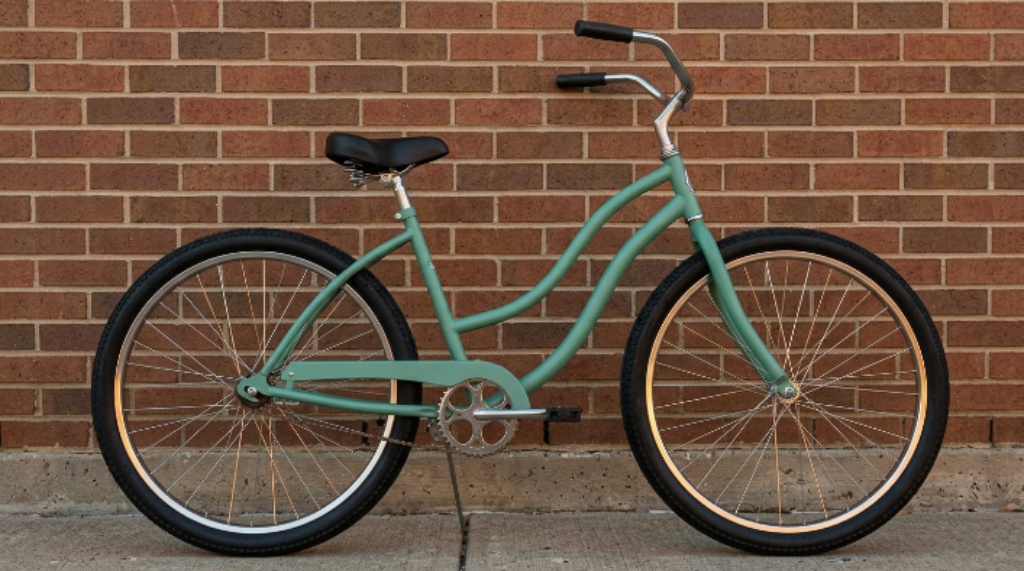
Cruiser bikes work especially well with practical storage accessories. A basket, rear rack, frame bag, or small handlebar bag can simplify everyday transportation.
Think about what you actually carry before selecting storage. Groceries, a water bottle, tools, clothing, and small personal items need different solutions.
Front Baskets for Casual Errands
A front basket creates quick access to everyday items. However, heavy loads can influence steering and handling.
Keep heavier objects secured and distribute weight carefully. Avoid carrying loose items that could fall into the wheel or controls.
Rear Racks for Larger Loads
Rear racks work well when you regularly carry groceries or larger personal items. Add compatible panniers when you need enclosed storage.
Keep the load balanced from side to side. Secure everything firmly before starting your ride.
Customize the Brakes for Better Control
Brake condition matters more than decorative upgrades. Inspect brake pads, cables, levers, and stopping performance before adding accessories.
If the levers feel difficult to reach, consider compatible adjustable levers. Proper lever position can make braking feel more natural.
Check Brake Performance Regularly
Squeeze each brake while the bike remains stationary. The lever should feel controlled rather than excessively loose or spongy.
Inspect worn pads and damaged cables promptly. If you cannot identify a braking problem, have a qualified bicycle technician inspect the system.
Improve Your Riding Position
A cruiser should encourage a comfortable posture rather than force you into an aggressive position. Your shoulders should stay relaxed while your hands maintain easy access to the controls.
Start by checking saddle height, handlebar position, and reach together. Changing one component can affect how the entire riding position feels.
Make One Adjustment at a Time
Changing several contact points simultaneously makes problems harder to diagnose. Instead, adjust one component and take a short ride.
Record what changed and how your body responded. This method turns customization into a controlled process rather than guesswork.
Add Style Without Sacrificing Function
Once comfort and control feel right, add visual details that match your personality. Cruiser bikes provide plenty of room for tasteful customization.
Consider coordinated grips, saddle covers, valve caps, bells, baskets, frame accessories, or reflective details. Keep the visual theme consistent rather than adding every accessory you like.
Use Color With Restraint
Two or three complementary colors can create a cleaner appearance. Matching grips, saddle details, and accessories can make the bike look intentionally designed.
Avoid covering important reflective areas with decorative materials. Style should never reduce visibility or interfere with safe operation.
Make the Cruiser Better for Commuting
A cruiser can handle everyday transportation when you prepare it for practical demands. Start with lighting, reliable tires, storage, and comfortable contact points.
A rear rack can carry work essentials without placing everything on your back. Fenders can also help protect clothing when roads become wet.
Add a Reliable Lock
Security becomes important whenever you leave the bike outside. Use a quality lock that matches the theft risk around your regular destinations.
Lock the frame to a secure, fixed object whenever possible. Also secure the wheels when your setup allows it.
Customize for Different Types of Riding
Your ideal cruiser setup depends heavily on how you actually use the bike. A weekend beach ride needs different equipment from a daily urban commute.
For neighborhood riding, prioritize comfort, visibility, and simple storage. For longer recreational trips, add better contact points, dependable tires, hydration storage, and basic repair equipment.
Everyday Errand Setup
For regular errands, focus on these upgrades:
- Comfortable saddle
- Upright handlebar setup
- Flat pedals
- Practical basket or rack
- Front and rear lights
- Durable tires
- Reliable lock
This combination keeps the bike useful without adding unnecessary complexity.
Longer Leisure Ride Setup
For longer rides, consider additional comfort and convenience upgrades:
- Ergonomic grips
- Supportive saddle
- Bottle cage
- Small repair kit
- Spare tube
- Compact pump
- Rear rack or storage bag
These additions support self-sufficiency when you ride farther from home.
Avoid Common Cruiser Customization Mistakes
Customization can become counterproductive when every upgrade receives attention at once. More equipment does not automatically create a better bicycle.
Avoid installing accessories that interfere with cables, brakes, wheels, or steering. Also avoid parts that exceed the bicycle manufacturer’s compatibility requirements.
Do Not Ignore Weight
Extra accessories add weight and can change handling. Heavy baskets and overloaded racks can make steering feel less predictable.
Carry only what you regularly need. Remove unused accessories when they provide no practical benefit.
Do Not Copy Another Rider’s Setup
A setup that works beautifully for another rider may feel uncomfortable for you. Body proportions, riding habits, roads, and footwear all affect customization choices.
Use other bikes for inspiration rather than exact instructions. Your own riding experience should determine the final setup.
Build a Simple Customization Order
A logical upgrade sequence saves money and reduces unnecessary changes. Start with components that directly affect comfort and control.
Follow this order:
- Inspect the bike thoroughly.
- Fix mechanical problems first.
- Adjust saddle height and handlebar position.
- Improve saddle and grip comfort.
- Check tires and tire pressure.
- Upgrade lighting and visibility.
- Add storage for everyday needs.
- Finish with appearance focused accessories.
This sequence puts function ahead of decoration. Consequently, every later upgrade builds on a bike that already rides properly.
Test Every Upgrade Before Adding Another
Take the customized cruiser on several familiar routes. Include smooth pavement, uneven surfaces, stops, turns, and moderate distances.
Pay attention to steering, braking, body comfort, storage movement, and accessory noise. If something feels wrong, correct it before adding another component.
A successful customization should make the bike feel easier to use. You should notice less discomfort and greater confidence without constantly thinking about the modifications.
When Professional Bicycle Service Makes Sense
Some upgrades require more than basic installation skills. Brake systems, wheel components, steering parts, and drivetrain adjustments deserve careful attention.
Seek professional help when a component affects safety or requires specialized tools. A short service appointment can prevent expensive mistakes and unsafe installation.
Also consider professional fitting if persistent discomfort remains after basic adjustments. Small alignment issues can affect comfort across repeated rides.
Final Thoughts
The best cruiser customization combines comfort, control, usefulness, and personal style. Start with your riding problems, then solve them through targeted upgrades instead of collecting accessories.
Give each modification time to prove its value. Most importantly, build a cruiser that fits your daily routine, because the best custom bike is the one you enjoy riding regularly.
Take your cruiser for a careful test ride this week and identify its three biggest weaknesses. Fix those first, then add style once comfort and control feel right.
Frequently Asked Questions
What is the easiest way to customize a cruiser bike?
Start with the saddle, grips, pedals, tires, and riding position because these changes directly affect everyday comfort.
Can I make a cruiser bike more comfortable?
Yes, you can improve comfort through proper saddle height, supportive seating, ergonomic grips, suitable tires, and better handlebar positioning.
What accessories should I add to a cruiser bike?
Useful accessories include lights, a lock, basket, rack, fenders, bottle cage, bell, and compact repair equipment.
How can I make my cruiser bike look better?
Coordinate practical accessories, grips, saddle details, and colors while keeping safety equipment visible and unobstructed.
Should I customize my cruiser bike myself?
You can handle many simple accessories yourself, but safety related components deserve professional installation when you lack the necessary tools or experience.