

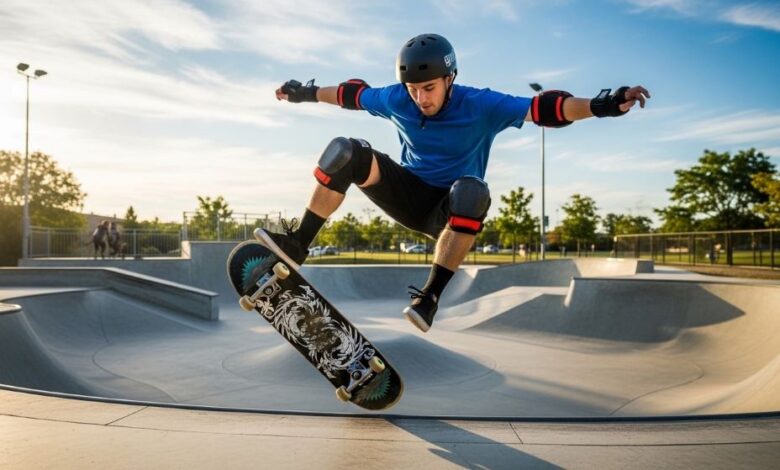
Skating offers an exhilarating way to stay active, whether you’re cruising through city streets, performing tricks at the skate park, or racing down hills. However, the thrill comes with inherent risks. Falls and collisions can happen to anyone, regardless of skill level. Therefore, wearing proper protection is essential for every male skater who wants to enjoy the sport safely.
Building a comprehensive protective setup doesn’t need to be complicated. Understanding what equipment you need and how each piece protects you makes the process straightforward. This guide will walk you through everything required to assemble a complete safety setup that keeps you protected while maintaining comfort and mobility.
Understanding the Importance of Protection
Many skaters, especially beginners, underestimate how quickly accidents can occur. Even experienced riders take unexpected falls. Additionally, protective equipment significantly reduces injury severity when accidents happen. Minor scrapes become the worst outcome instead of broken bones or serious head trauma.
The right gear gives you confidence to push your limits safely. When you feel protected, you’re more likely to try new techniques and improve your skills. Moreover, consistent protection use develops good habits that serve you throughout your skating journey.
Essential Components of Skate Safety Equipment
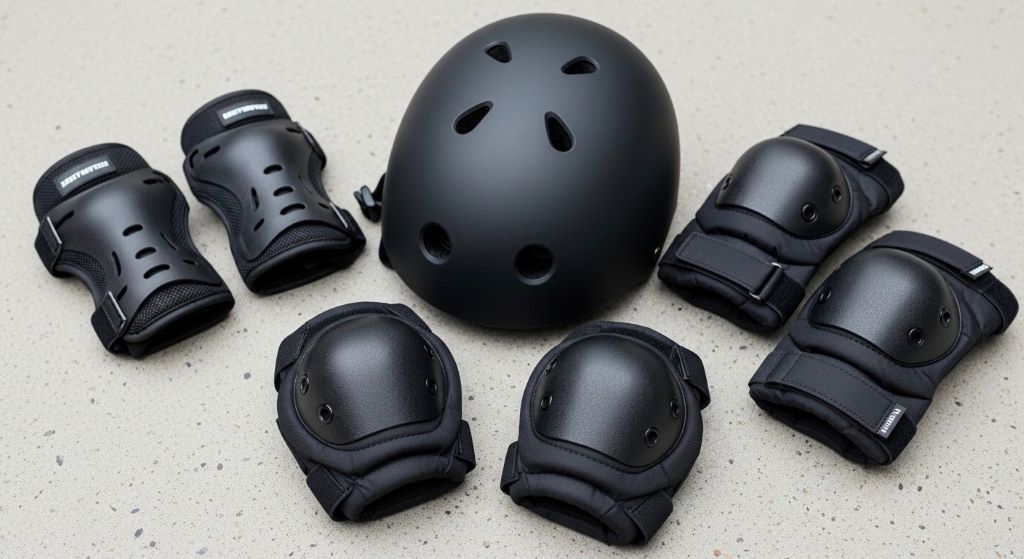
A complete protective setup consists of several key pieces working together. Each item protects specific vulnerable areas of your body. Understanding these components helps you make informed purchasing decisions.
Helmets: Your Primary Defense
The helmet stands as the most critical piece of any protective setup. Head injuries pose the most serious risks in skating accidents. Therefore, choosing a quality helmet should be your top priority.
Look for helmets specifically designed for skating rather than bicycle helmets. Skate helmets provide better coverage around the back and sides of your head. They’re built to withstand multiple impacts, which commonly occur during skating falls. Certification standards like CPSC or ASTM ensure the helmet meets safety requirements.
Fit matters tremendously for helmet effectiveness. The helmet should sit level on your head, covering your forehead without tilting backward. It should feel snug but comfortable, with minimal movement when you shake your head. The chin strap needs adjustment to keep the helmet secure during falls.
Wrist Guards: Protecting Your Most Vulnerable Joints
Wrist injuries rank among the most common skating accidents. When falling, people instinctively extend their hands to break the impact. This natural reaction often results in sprains, fractures, or breaks without proper protection.
Quality wrist guards feature rigid splints on both the palm and back of your hand. These splints distribute impact force along your forearm instead of concentrating it at the wrist joint. Look for guards with comfortable padding that doesn’t restrict hand movement excessively.
Proper fit ensures wrist guards stay in place during falls. They should feel secure around your wrists and palms without cutting off circulation. You should maintain enough finger dexterity to grip your board or manage your skates comfortably.
Knee Pads: Essential for Ground Protection
Knee pads protect one of your body’s most complex joints. Falls often result in knee impacts against concrete or asphalt. Without protection, these impacts cause painful abrasions, bruises, or more serious joint damage.
Hard-shell knee pads offer the best protection for aggressive skating and tricks. These feature rigid plastic caps that slide across surfaces during falls, preventing direct knee contact with the ground. Soft-shell pads work better for casual skating, providing cushioning without the bulk.
The fit should allow full leg movement while keeping the pads centered over your kneecaps. Straps should feel secure without restricting blood flow. Many skaters prefer knee pads with additional padding on the sides for comprehensive protection.
Elbow Pads: Completing Your Limb Protection
Elbow pads often get overlooked, yet they prevent painful injuries during sideways falls. The elbow joint contains minimal natural padding, making it vulnerable to direct impacts. Additionally, elbow injuries can significantly limit your arm mobility during recovery.
Similar to knee pads, elbow protection comes in hard-shell and soft-shell varieties. Choose based on your skating style and intensity level. Hard-shell options provide maximum protection for aggressive skating, while soft-shell versions offer comfortable protection for recreational use.
Ensure elbow pads stay positioned over your joints during movement. They should flex with your arm without sliding up or down. Proper positioning becomes crucial during falls when you need protection exactly where impact occurs.
Selecting the Right Materials and Construction
Material quality significantly impacts both protection level and comfort. Understanding what makes quality protective skate gear helps you identify products worth investing in.
Outer Shell Materials
Hard plastic shells, typically made from polycarbonate or ABS plastic, provide excellent impact resistance. These materials distribute force across a wider area, reducing pressure on specific points. They also slide smoothly across rough surfaces, helping you avoid catching during falls.
Look for shells with adequate thickness without excessive weight. Thin shells may crack under impact, while overly thick ones add unnecessary bulk. Quality manufacturers balance protection with wearability effectively.
Padding and Comfort Layers
Interior padding serves dual purposes: impact absorption and comfort. EVA foam offers excellent shock absorption while remaining lightweight. Memory foam provides superior comfort but may compress over time, reducing protective qualities.
Moisture-wicking liners keep you comfortable during extended skating sessions. Sweat buildup makes gear uncomfortable and can cause skin irritation. Therefore, breathable materials enhance your overall experience significantly.
Fastening Systems
Straps and closures must keep gear securely positioned throughout your session. Velcro straps offer easy adjustment and work reliably for most applications. Some premium options use ratchet systems or combination closures for enhanced security.
Check that fasteners feel durable and maintain their grip after repeated use. Elastic components should provide firm pressure without losing elasticity quickly. Quality fastening systems prevent gear from shifting during the movements that matter most.
Building Your Complete Setup on a Budget
Quality protection doesn’t always require premium pricing. However, smart shopping helps you maximize value while maintaining safety standards.
Start with the essentials first: helmet, wrist guards, and knee pads. These three items protect your most vulnerable areas during falls. Once you have these basics, you can add elbow pads and other accessories as your budget allows.
Consider purchasing complete sets rather than individual pieces. Many manufacturers offer bundled packages at reduced prices compared to buying items separately. These sets ensure all pieces come from the same product line, providing consistent quality and style.
Watch for seasonal sales at sporting goods stores and online retailers. End-of-season clearances often feature significant discounts on quality gear. Additionally, last year’s models frequently go on sale when new versions release, offering excellent value without compromising safety.
Ensuring Proper Fit Across All Components
Even the highest-quality gear fails to protect adequately when it doesn’t fit correctly. Therefore, taking time to ensure proper fit across all components becomes essential.
Most manufacturers provide detailed sizing charts based on measurements. Measure your head circumference, wrist width, knee circumference, and elbow dimensions before ordering. Compare these measurements against manufacturer specifications rather than relying solely on generic size labels.
When trying on gear, simulate skating movements. Bend your knees and elbows, move your wrists through their full range of motion. Gear should stay positioned correctly without restricting movement or causing discomfort. Remember that slight break-in periods are normal, but gear shouldn’t feel painful initially.
Maintaining Your Protective Equipment
Regular maintenance extends the life of your protective skate gear while ensuring continued effectiveness. Proper care also keeps equipment comfortable and hygienic.
Clean gear regularly, especially interior padding that contacts your skin. Most pads can be hand-washed with mild soap and water. Allow pieces to dry completely before storage to prevent odor and material degradation. Some products feature removable liners that can be washed separately.
Inspect equipment before each skating session. Check for cracks in hard shells, compressed padding, or worn straps. Replace any component showing significant wear or damage. Remember that gear that has protected you during serious falls may need replacement even if damage isn’t immediately visible.
Store equipment in a cool, dry place away from direct sunlight. Extreme temperatures and UV exposure can degrade materials over time. Proper storage maintains material integrity and extends your gear’s protective lifespan.
When to Upgrade or Replace Components
Knowing when to replace protective equipment ensures you maintain optimal safety levels. Several factors indicate when upgrades or replacements become necessary.
Replace helmets after any significant impact, even if no visible damage appears. The internal structure may be compromised, reducing protective capabilities during subsequent impacts. Most manufacturers recommend helmet replacement every three to five years regardless of visible wear.
Worn padding loses its shock-absorbing properties over time. If you notice pads have compressed significantly or feel harder than when new, replacement time has arrived. Similarly, cracked shells or torn straps require immediate replacement to maintain protection levels.
As your skating skills progress, you might need different protection styles. Beginners often start with recreational gear, then upgrade to more aggressive protection as they attempt advanced tricks. Your equipment should match your current skill level and skating style.
Conclusion
Building a complete protective setup represents an essential investment for any male skater. Starting with a quality helmet, wrist guards, knee pads, and elbow pads provides comprehensive coverage against common injuries. Selecting properly fitting equipment made from quality materials ensures both safety and comfort during your skating sessions.
Remember that skate safety equipment works best when worn consistently. Making protection a non-negotiable part of every session develops habits that serve you throughout your skating journey. Therefore, invest in quality gear that you’ll actually want to wear regularly.
Regular maintenance and timely replacement keep your protective setup functioning optimally. As your skills develop and your skating style evolves, adjust your equipment accordingly. With the right protective skate gear, you can focus on enjoying the sport while minimizing injury risks.
Frequently Asked Questions
How much should I expect to spend on a complete protective gear setup?
A quality basic setup including a helmet, wrist guards, knee pads, and elbow pads typically costs between $80 and $200. Budget options exist around $50 to $80, while premium setups can exceed $300. Prioritize helmet quality first, then allocate remaining budget to other components.
Can I use protective gear designed for other sports while skating?
Bike helmets and some sports padding may offer limited protection but aren’t ideal for skating. Skate-specific gear is designed for the types of falls and impacts common in skating. Using proper equipment significantly improves your safety and comfort.
How do I know when my helmet needs replacement?
Replace your helmet immediately after any significant impact. Additionally, replace helmets every three to five years even without crashes, as materials degrade over time. Visible cracks, dents, or compressed foam also indicate replacement is necessary.
Should beginners wear different protection than experienced skaters?
Beginners often need more comprehensive protection as they’re more prone to falls. However, all skaters benefit from complete protective setups. The main difference lies in choosing recreational versus aggressive gear based on your skating style rather than experience level.
How can I make protective gear more comfortable during hot weather?
Look for gear with ventilation holes and moisture-wicking liners. Take breaks to remove gear briefly and allow skin to breathe. Some skaters wear thin moisture-wicking sleeves under pads to reduce direct contact and improve comfort in warm conditions.
Related Topics:
Spitfire vs Ricta vs OJ: Which Skateboard Wheels Last Longest?
Seven Subreddits That Can Improve Your Daily Life