

Selecting the perfect fishing rod can feel overwhelming when you’re faced with countless options at the tackle shop. Every angler, whether just starting out or highly experienced, needs to understand what makes one rod different from another. The right choice can mean the difference between landing your dream catch and watching it swim away.
This comprehensive guide breaks down the essential characteristics you need to consider. By understanding how different features work together, you’ll be able to select a rod that matches your fishing style, target species, and preferred techniques. Let’s explore what really matters when choosing your next fishing rod.
Understanding Power Ratings
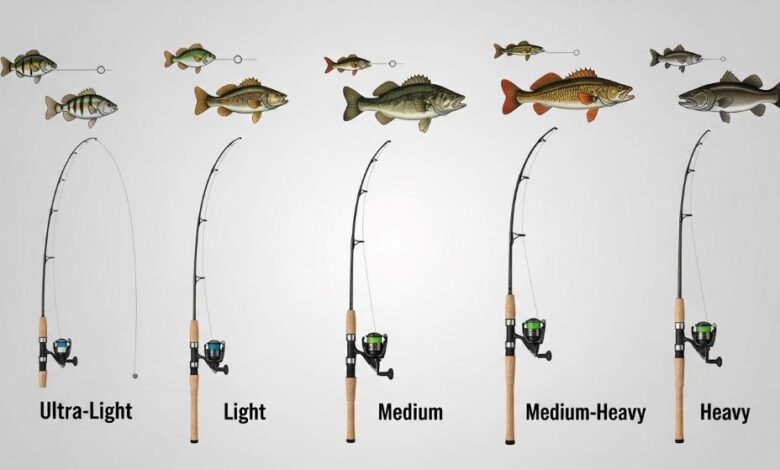
Power describes how much force is needed to bend your rod. This characteristic determines what size fish you can effectively target and how well you can set the hook. Manufacturers typically rate power on a scale from ultra-light to extra-heavy.
Ultra-light rods bend easily with minimal pressure. These work beautifully for small panfish, trout, and crappie. They provide excellent sensitivity, allowing you to feel the lightest bites. However, they lack the backbone needed for larger species.
Light rods step up slightly in strength. They handle small to medium fish effectively while still offering good sensitivity. Many anglers prefer light rods for bass fishing in areas without heavy cover.
Medium power rods represent the most versatile option. They offer a balance between sensitivity and strength, making them suitable for various species and techniques. Most recreational anglers find medium power rods work well for their needs.
Medium-heavy and heavy rods provide the muscle needed for larger fish. These rods resist bending, giving you control when fighting powerful species like pike, muskie, or large bass. They also work well when fishing in heavy cover where you need to pull fish away from obstacles.
Extra-heavy rods are specialized tools for the biggest game fish. These rods handle massive species and extremely heavy lures. Unless you’re targeting truly large fish, you probably won’t need this much power.
Decoding Action Characteristics
Action refers to where the rod bends along its length and how quickly it returns to straight. This characteristic affects casting distance, hook-setting ability, and how the rod feels during a fight. Understanding rod power and action together helps you make informed decisions.
Fast action rods bend primarily in the top third of the blank. They snap back to straight quickly, making them excellent for hook sets. Fast action rods provide good sensitivity because vibrations travel efficiently through the stiffer lower sections. These rods excel for techniques requiring quick hook sets, like worm fishing or jig fishing.
Moderate action rods bend through the top half of the blank. They offer a compromise between the sensitivity of fast action and the forgiveness of slow action. These rods work well for treble-hooked lures like crankbaits because they flex enough to prevent the hooks from pulling free during the fight.
Slow action rods bend throughout their entire length, creating a parabolic curve. While less common today, these rods shine for certain applications. They cast light lures surprisingly far and provide a cushioning effect that protects light line from breaking.
The action you choose should match your fishing technique. Additionally, consider how the action interacts with the power rating. A fast action, heavy power rod behaves very differently from a fast action, light power rod, even though they both bend in the same location.
Exploring Construction Materials
The material used in rod construction dramatically affects performance, durability, and price. Modern rod materials offer various benefits, and understanding these differences helps you choose wisely.
Fiberglass represents the original synthetic rod material. These rods are nearly indestructible and quite affordable. Fiberglass offers excellent flexibility and a slow action that many anglers appreciate for certain techniques. However, fiberglass rods are heavier than alternatives and less sensitive.
Graphite revolutionized rod building when it became widely available. This material is lighter and more sensitive than fiberglass. Graphite rods transmit vibrations efficiently, helping you detect subtle bites. They also offer more power for their weight. The downside is brittleness. Graphite rods can break if handled roughly or subjected to impact.
Manufacturers often describe graphite by its modulus, which indicates stiffness. Higher modulus graphite is stiffer and lighter but also more brittle. Lower modulus graphite is more flexible and durable but slightly heavier.
Composite rods blend fiberglass and graphite to capture benefits from both materials. These rods offer good sensitivity with improved durability compared to pure graphite. Many manufacturers create specific composite blends optimized for particular fishing styles.
Carbon fiber represents a premium option that provides exceptional strength-to-weight ratios. These rods are extremely light and sensitive while maintaining durability. However, carbon fiber rods command premium prices.
When considering rod materials, think about how you’ll use the rod. If you’re hard on equipment or fish in rocky areas, durability might outweigh sensitivity. Conversely, if you’re targeting finicky fish that bite lightly, the enhanced sensitivity of high-modulus graphite could be worth the investment.
Comparing Spinning and Casting Configurations
The choice between spinning vs casting rods affects how you fish and what techniques you can effectively use. Each design has distinct advantages and limitations.
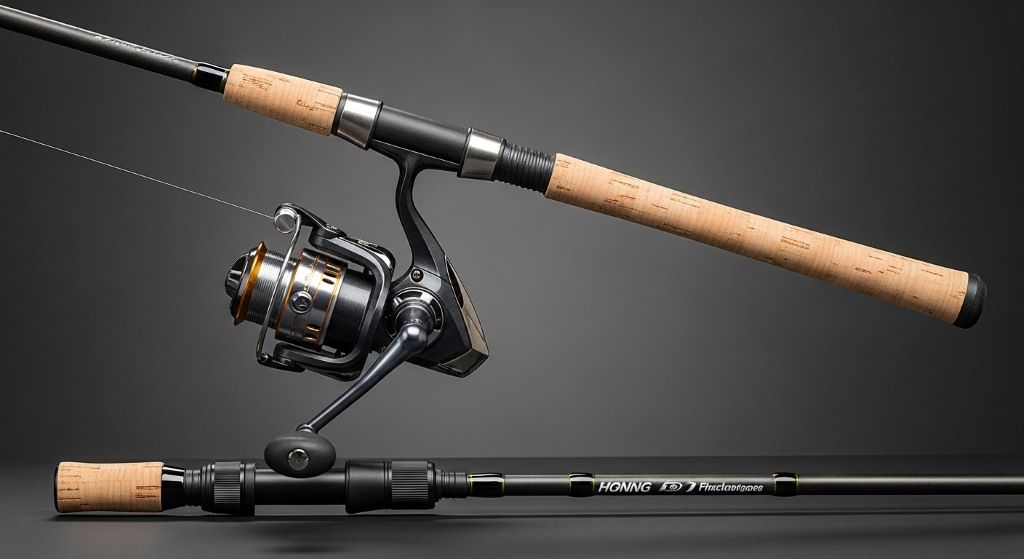
Spinning rods feature guides on the underside of the blank. They pair with spinning reels that hang below the rod. This configuration excels with light lures and finesse techniques. The open-faced reel design prevents line twist and allows for effortless casting of lightweight presentations.
Beginners often find spinning gear easier to learn. The casting motion feels natural, and backlashes are virtually impossible. Spinning setups also handle light line well, making them perfect for situations requiring finesse.
However, spinning rods have limitations. They’re less effective with heavy lures and don’t provide the same level of control when fighting large fish. The rod positioning during the fight puts more strain on the wrist over time.
Casting rods, also called baitcasting rods, position guides on top of the blank. They pair with baitcasting reels that sit on top of the rod. This configuration offers superior accuracy and control, especially with heavier lures.
Casting rods provide better power transfer during hook sets. The positioning of the reel allows for a more ergonomic grip and reduces wrist fatigue during extended fishing sessions. They also handle heavier line better than spinning setups.
The main drawback is the learning curve. Baitcasting reels require thumb control during the cast to prevent backlashes. Additionally, casting gear doesn’t perform as well with very light lures.
Therefore, many experienced anglers own both types. They select the appropriate setup based on the technique they’re using and the size of lure they’re throwing.
Matching Rods to Fishing Techniques
Different fishing techniques demand specific rod characteristics. Understanding these relationships helps you build a collection that covers your needs.
Crankbait fishing benefits from moderate action rods with medium power. The flex in these rods prevents treble hooks from tearing free during the fight. Fiberglass or composite materials work particularly well because they provide the right amount of give.
Topwater fishing requires fast action rods that help you “walk the dog” effectively. The quick tip response creates the action that makes surface lures irresistible to bass. Medium power typically provides adequate backbone for solid hook sets.
Jig fishing demands sensitive, fast action rods that telegraph every bump and tap. You need to feel what’s happening at the lure to detect strikes and understand bottom composition. Medium-heavy power gives you the strength to set the hook through heavy jig hooks and pull fish from cover.
Texas rigging and other soft plastic techniques work best with fast action, medium-heavy rods. The sensitivity helps you detect subtle bites, while the power assists in driving hooks through thick plastic and into the fish’s mouth.
Spinnerbait fishing typically uses moderate-fast action rods with medium to medium-heavy power. This combination provides enough tip flexibility to keep the lure tracking properly while offering the backbone needed for hook sets and fish control.
Considering Length for Your Needs
Rod length significantly impacts casting distance, accuracy, and control. Selecting the right length depends on where you fish and what techniques you prefer.
Shorter rods, typically under six feet, excel in tight quarters. They’re perfect for kayak fishing, fishing from a small boat, or working heavy cover where precision matters more than distance. Short rods also provide excellent leverage when fighting fish at close range.
Medium-length rods, ranging from six to seven feet, represent the most versatile option. They balance casting distance with accuracy and work well in most situations. Many anglers choose rods in this range as all-purpose tools.
Longer rods, over seven feet, maximize casting distance. They’re excellent for covering water from shore or when fishing open areas. Long rods also provide better line control when working lures over distance. However, they can be cumbersome in tight spaces and require more storage room.
Your fishing environment should guide your length choice. Shore anglers often prefer longer rods for distance, while boat anglers might favor shorter rods for maneuverability.
Evaluating Handle and Grip Options
The handle affects comfort and control during long fishing sessions. Several design variations exist, each with specific advantages.
Cork remains the traditional handle material. It provides excellent grip when wet, insulates against temperature, and feels comfortable in hand. Quality cork handles last for years, though they can develop surface wear over time.
EVA foam offers a more affordable alternative to cork. This synthetic material is durable, comfortable, and available in various densities. Many modern rods feature EVA handles that perform admirably.
Handle length varies by application. Shorter handles work well on spinning rods where you grip the rod below the reel. Longer handles on casting rods provide leverage and allow for two-handed casts with heavy lures.
Split-grip handles reduce weight and provide points of contact while exposing the blank. Many anglers appreciate the weight savings and the ability to palm the blank for enhanced sensitivity. Full-length handles offer more gripping options and a traditional feel.
Budget Considerations and Value
Fishing rods span an enormous price range. Understanding what you get at different price points helps you make smart investments.
Entry-level rods typically cost between thirty and seventy dollars. These rods work fine for beginners or casual anglers. They may lack the sensitivity and durability of higher-end options, but they’ll catch fish.
Mid-range rods, priced from seventy to two hundred dollars, offer significantly better performance. These rods use better materials, feature improved components, and provide enhanced sensitivity. Most serious anglers find excellent value in this price range.
Premium rods cost two hundred dollars and up, with some exceeding five hundred dollars. These rods feature the best materials, cutting-edge technology, and exceptional craftsmanship. The improvements are noticeable but may not justify the cost for every angler.
Consider your skill level and fishing frequency when budgeting. A beginner doesn’t need a five-hundred-dollar rod to enjoy fishing. However, an experienced angler who fishes weekly might find the investment worthwhile.
Testing Before You Buy
Whenever possible, handle rods before purchasing. Many tackle shops allow you to hold and flex rods to get a feel for them.
Grip the rod as you would while fishing. Does it feel comfortable? Can you easily reach all controls if you’re considering a casting setup? The rod should feel balanced when paired with your reel.
Gently flex the rod to observe where it bends. This helps you understand the action. Check that guides are properly aligned and securely wrapped. Examine the handle for quality construction.
If you know experienced anglers, ask to try their rods while fishing. This hands-on experience provides invaluable insight into how different characteristics perform in real conditions.
Building Your Rod Collection
Most anglers eventually own multiple rods optimized for different situations. However, you don’t need to buy everything at once.
Start with one versatile setup that covers the fishing you do most often. For many anglers, this means a medium power, fast action rod around seven feet long. This foundation rod handles numerous techniques adequately.
As you develop your skills and preferences, add specialized rods. Perhaps you discover a love for crankbait fishing and want a rod optimized for that technique. Maybe you start targeting larger species and need more power.
Building a collection gradually allows you to learn what you truly need rather than accumulating rods that sit unused. Moreover, spreading purchases over time makes this hobby more affordable.
Caring for Your Investment
Proper maintenance extends rod life and preserves performance. A few simple practices protect your investment.
Rinse rods with fresh water after each use, especially after saltwater fishing. Salt crystals can damage guides and corrode hardware. Pay attention to the reel seat and guide wraps where salt accumulates.
Store rods vertically or in rod tubes to prevent warping. Never store them where they’ll be stepped on or crushed. Avoid leaving rods in hot cars where heat can damage epoxy and weaken blanks.
Inspect guides regularly for cracks or grooves that could damage your line. Check that all guides remain securely attached. Tighten reel seats if they become loose.
Handle rods carefully when transporting them. The tips are particularly vulnerable to damage. Consider using rod socks or tubes for protection during transport.
Conclusion
Choosing the right fishing rod involves understanding several key factors that work together to determine performance. Power ratings indicate the rod’s strength and its suitability for different fish sizes. Action characteristics affect how the rod bends and responds, influencing casting and hook-setting effectiveness.
Material selection impacts weight, sensitivity, and durability. Understanding rod materials helps you balance performance with your budget and fishing style. The decision between spinning vs casting rods depends on your target species, preferred techniques, and skill level.
Remember that no single rod does everything perfectly. Start with a versatile option that matches your most common fishing situations. As you gain experience, you’ll develop preferences that guide future purchases. Pay attention to how length, handle design, and component quality affect your fishing experience.
Testing rods before buying, when possible, helps you make informed decisions. Take care of your equipment through regular cleaning and proper storage. With the right knowledge and a bit of research, you’ll find rods that enhance your fishing success and provide years of reliable service.
Frequently Asked Questions
What rod power should a beginner choose?
Beginners should start with a medium power rod. This versatile option handles a wide range of fish sizes and techniques without being too specialized. Medium power provides enough sensitivity to detect bites while offering sufficient backbone to fight common game fish. As you develop your skills and preferences, you can add lighter or heavier rods for specific situations.
How does rod action affect lure performance?
Action significantly influences how lures behave in the water. Fast action rods provide the quick tip movement needed for techniques like jerkbaits and worm fishing. Moderate action rods work better with treble-hooked lures like crankbaits because the flex prevents hooks from pulling free. The action also affects casting distance, with moderate action typically launching light lures farther than fast action.
Are expensive fishing rods worth the investment?
Expensive rods offer better materials, improved sensitivity, and enhanced durability. However, whether they’re worth it depends on your fishing frequency and skill level. Serious anglers who fish regularly often find premium rods improve their success and enjoyment. Casual anglers may not notice enough difference to justify the cost. Mid-range rods often provide the best value for most fishermen.
Can I use the same rod for freshwater and saltwater fishing?
While you can use the same rod in both environments, saltwater is much more corrosive. If you plan to fish saltwater regularly, consider getting a rod specifically designed for it with corrosion-resistant components. If you use a freshwater rod in saltwater, rinse it thoroughly with fresh water immediately after each use. Pay special attention to the reel seat, guides, and all metal components.
How do I know if my rod power matches my target fish?
Your rod should bend noticeably when fighting your target species but not fold over completely. If the rod barely flexes, it’s too powerful. If it bends into the handle section, it’s too light. Additionally, consider the lure weights you’ll be throwing. The rod should cast your preferred lures comfortably without feeling overloaded or too stiff. Most rods list recommended line and lure weights to guide your selection.
Related Topics:
The Ultimate Guide to Untangling Multi-Hook Rigs for Pier Fishing Without the Headache
Essential Seasonal Maintenance Checklist for Fishing Equipment