


Gift-giving for children has changed dramatically over the past few years. Parents and gift-givers are increasingly aware of how disposable items harm our planet. The plastic trinkets that break within days and the trendy toys that end up forgotten in closets contribute to massive amounts of waste. Fortunately, thoughtful gift selection can make a real difference.
Choosing reusable and meaningful gifts doesn’t mean sacrificing fun or excitement. In fact, many children appreciate quality items they can use repeatedly far more than throwaway novelties. This guide will help you select presents that bring joy while supporting a healthier planet for future generations.
Understanding the Problem with Disposable Gifts
Before exploring solutions, it’s helpful to understand why shifting away from disposable gifts matters. The toy industry produces billions of plastic items annually. Most of these products have remarkably short lifespans, often breaking or losing appeal within weeks.
When these items break, they typically end up in landfills. Plastic takes hundreds of years to decompose, and even then, it breaks down into microplastics that contaminate soil and water. Additionally, the production process consumes significant resources and energy.
Beyond environmental concerns, disposable gifts teach children problematic lessons about consumption. When kids receive items that break easily and get replaced constantly, they learn that things are temporary and replaceable. This mindset extends beyond toys into other areas of life.
Moreover, the constant accumulation of cheap items creates clutter in homes. Parents spend time managing, organizing, and eventually discarding these objects. This cycle wastes both resources and time that could be spent on more meaningful activities.
Identifying Quality Over Quantity
The foundation of waste-reducing gift-giving lies in choosing quality items built to last. However, quality doesn’t necessarily mean expensive. It means selecting items made from durable materials with thoughtful construction.
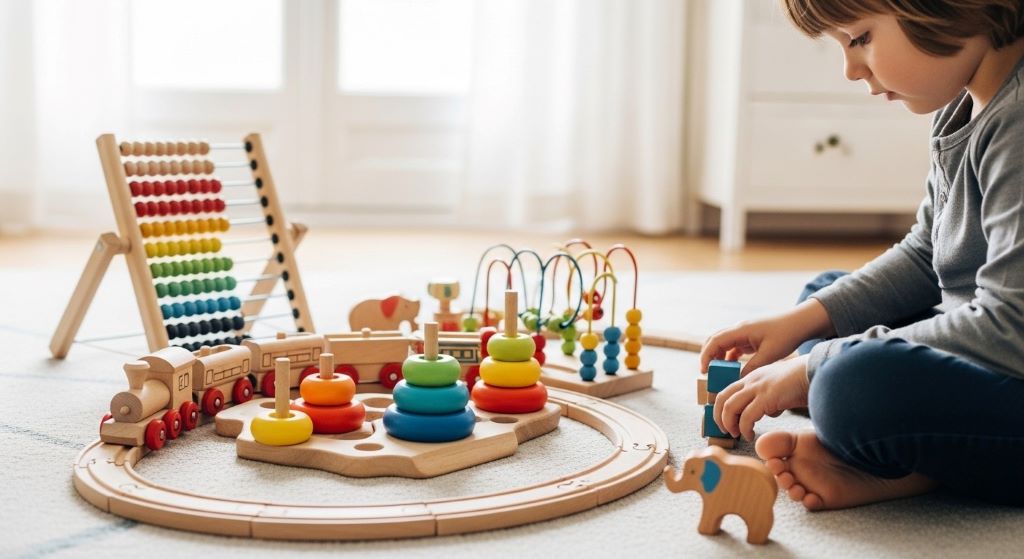
Look for products made from natural materials like wood, metal, or organic fabrics. These materials typically withstand rough play better than cheap plastics. Furthermore, they often feel more pleasant to touch and interact with, enhancing the play experience.
Check construction quality before purchasing. Examine seams, joints, and connections. Items with reinforced stitching, secure fastenings, and solid construction will survive years of active use. Read reviews from other parents to learn how products hold up over time.
Consider the manufacturer’s reputation. Companies that specialize in sustainable kids products often prioritize durability because their customers expect it. These brands typically offer warranties or repair services, demonstrating confidence in their products’ longevity.
Think about versatility when evaluating quality. Items that serve multiple purposes or adapt as children grow offer better value and reduce the need for constant replacement. A toy that works for both a three-year-old and a seven-year-old represents smart, sustainable choice.
Choosing Age-Appropriate Reusable Gifts
Different age groups benefit from different types of reusable gifts. Understanding developmental stages helps you select items that will genuinely engage children for extended periods.
For babies and toddlers, focus on sensory items made from safe, natural materials. Wooden rattles, organic cotton stuffed animals, and silicone teething toys provide stimulation without harmful chemicals. These items endure multiple children and countless wash cycles.
Preschoolers thrive with open-ended play materials. Building blocks, simple musical instruments, and art supplies encourage creativity that doesn’t get old. These items grow with children as their skills develop, providing years of engagement.
Elementary-aged children appreciate games, sports equipment, and craft supplies. Board games offer endless replay value, especially those with multiple difficulty levels or rule variations. Quality art materials inspire creativity without generating excessive waste.
Teenagers benefit from experiences, learning opportunities, and practical items they’ll actually use. Consider memberships, classes, or durable gear for their hobbies. These gifts support their interests while avoiding the landfill.
Exploring Long-Lasting Toys That Stand the Test of Time
Certain toy categories have proven their staying power across generations. These classic options consistently engage children while maintaining their integrity through years of play.
Building sets represent excellent investments in reusable play. Whether wooden blocks, magnetic tiles, or construction systems, these toys adapt to changing interests and skill levels. Children build simple towers at three and complex structures at ten with the same set.
Dolls and action figures made from quality materials become beloved companions. Choose those with simple, timeless designs rather than characters tied to current trends. These figures often become treasured keepsakes passed down through families.
Ride-on toys and outdoor equipment encourage physical activity and outdoor play. Tricycles, scooters, and bikes made from durable materials can serve multiple children. Many families pass these items between siblings or sell them to other families when outgrown.
Musical instruments designed for children introduce lifelong interests. Real instruments made for small hands, rather than electronic toys that make noise, teach actual skills. Quality kids’ guitars, keyboards, or percussion instruments maintain their value and functionality for years.
Art supplies provide endless creative possibilities without predetermined outcomes. Washable markers, quality colored pencils, watercolors, and paper allow children to express themselves repeatedly. Unlike craft kits that create one specific project, basic supplies support unlimited creations.
Considering Educational Gifts That Keep Giving
Educational presents offer value that extends far beyond the initial unwrapping. These gifts build skills, knowledge, and interests that benefit children throughout their lives.
Books represent perhaps the ultimate reusable gift. Well-made books survive multiple readings and can be shared among siblings or donated when outgrown. Choose hardcover editions of beloved classics or award-winning contemporary titles.
Science kits that teach real concepts rather than providing one-time experiments offer better longevity. Look for microscopes, telescope, or chemistry sets with quality components and multiple activities. These items spark curiosity that lasts far beyond childhood.
Subscription services to museums, zoos, or science centers provide year-round experiences. These memberships create opportunities for repeated visits, learning, and family bonding. Additionally, they generate memories rather than clutter.
Language learning tools or musical instruction materials support skill development over time. Whether learning apps with lifetime access, quality instructional books, or educational games, these gifts provide lasting value.
Coding toys and robotics kits teach valuable modern skills. Choose programmable options that offer multiple difficulty levels and project possibilities. These items grow with children as their understanding deepens.
Selecting Experience-Based Gifts
Sometimes the best gift doesn’t come in a package at all. Experience-based presents create memories without generating waste, and they often mean more to children than physical objects.
Classes in areas matching children’s interests provide ongoing engagement. Whether dance, martial arts, cooking, or coding, lessons develop skills and build confidence. These experiences shape identities in ways material gifts cannot.
Tickets to events create anticipation and shared experiences. Theater performances, concerts, sporting events, or special exhibitions become treasured memories. Attending together strengthens relationships while supporting culture and community.
Adventure days offer excitement without stuff accumulation. Plan trips to amusement parks, nature reserves, or special attractions. These outings provide stories children will retell for years.
Workshop experiences teach hands-on skills. Pottery classes, woodworking workshops, or cooking experiences let children create while learning. They leave with both skills and a tangible item they made themselves.
Membership to activity centers gives ongoing opportunities for play and learning. Indoor climbing gyms, trampoline parks, or maker spaces with recurring access provide months of entertainment.
Prioritizing Secondhand and Vintage Options
Buying used items represents one of the most sustainable choices available. Quality items made decades ago often surpass modern equivalents in durability and craftsmanship.
Vintage toys carry charm and history that new items lack. Well-preserved wooden toys, classic board games, or metal trucks from past eras work just as well today. Additionally, they often cost less than new equivalents.
Consignment shops and online marketplaces offer excellent options for gently used items. Many children outgrow toys before wearing them out, meaning secondhand options are often in excellent condition. This approach saves money while reducing demand for new production.
Libraries and toy libraries provide access without ownership. These resources let children enjoy variety without accumulation. Borrowing normalizes sharing and reduces the total number of items manufactured.
However, carefully inspect secondhand items for safety. Check for recalls, small parts that could pose choking hazards, and wear that might cause injury. Ensure toys meet current safety standards, especially for younger children.
Supporting Handmade and Local Artisans
Handcrafted items often offer superior quality and unique character compared to mass-produced alternatives. Furthermore, purchasing from local makers supports your community’s economy.
Wooden toys crafted by skilled woodworkers showcase natural beauty and durability. These items develop character as they age rather than looking worn out. Many artisans use sustainable wood sources and non-toxic finishes.
Handmade clothing and accessories last longer than fast-fashion equivalents. Quality stitching and materials mean these items survive active play and multiple washings. They often fit better and feel more comfortable too.
Local potters, weavers, and other craftspeople create unique items children will treasure. These one-of-a-kind pieces carry stories and personal touches that factory-made products cannot match.
Commissioning custom items allows you to request exactly what a child needs or wants. Custom dolls, personalized books, or made-to-order furniture pieces become heirloom-quality treasures.
Shopping at local markets connects children to their community. Visiting craft fairs and artisan markets together teaches kids about where products come from and the work involved in creating them.
Teaching Children About Sustainable Choices
Gift-giving provides opportunities to discuss values and environmental responsibility with children. These conversations help them develop mindful consumption habits.
Involve children in selecting gifts for others. Discuss why you’re choosing certain items and what makes them better choices. This participation builds decision-making skills and environmental awareness.
Explain the lifecycle of products in age-appropriate terms. Help children understand that everything comes from somewhere and goes somewhere. This knowledge encourages more thoughtful relationships with possessions.
Model care and maintenance of belongings. Show children how to clean, repair, and properly store their items. These skills extend product lifespans while teaching responsibility.
Encourage donation and sharing when items are outgrown. Help children experience the joy of passing along toys to younger kids who will enjoy them. This practice reduces waste while teaching generosity.
Create wish lists together that prioritize quality and usefulness. Teach children to think critically about what they truly want versus what advertising tells them they need.
Making Packaging Part of the Solution
Even sustainable gifts can come with wasteful packaging. Thoughtful presentation reduces environmental impact while maintaining excitement.
Choose minimal packaging when possible. Many retailers offer items without excessive boxes and plastic. Request minimal packaging when ordering online.
Use reusable gift wrap alternatives. Fabric wraps, reusable gift bags, or simple brown paper with natural twine create beautiful presentations without waste. These options can be saved and reused repeatedly.
Get creative with containers that serve dual purposes. Wrap gifts in reusable lunch bags, scarves, or storage boxes the recipient can use. This approach turns wrapping into part of the gift.
Skip ribbon and bows made from plastic. Natural alternatives like raffia, twine, or fabric strips look beautiful and break down harmlessly if discarded.
Save packaging materials you receive for future use. Boxes, tissue paper, and bags can be reused multiple times before recycling.
Building a Gift-Giving Philosophy
Developing a consistent approach to gift selection makes sustainable choices easier over time. This philosophy can guide decisions across all occasions.
Focus on needs and genuine interests rather than trends. Trendy items quickly become obsolete, while gifts matching true interests provide lasting engagement.
Consider consumables as alternatives to objects. Art supplies, craft materials, or ingredients for cooking projects get used up completely without creating permanent waste.
Embrace the idea that fewer, better gifts create more value. Children often appreciate one special item more than multiple forgettable ones. Quality over quantity reduces waste while increasing satisfaction.
Communicate your values to extended family and friends. Share your preferences for the types of gifts you want your children to receive. Most people appreciate guidance that makes their gift-giving more meaningful.
Remember that the best gift depends on the individual child. Consider personality, developmental stage, and specific interests. Personalized choices show thoughtfulness and increase the likelihood the gift will be treasured.
Conclusion
Selecting reusable gift ideas for kids that reduce waste requires thoughtfulness but delivers tremendous benefits. By focusing on quality construction, timeless appeal, and genuine usefulness, you can choose presents that bring lasting joy while protecting the planet.
The shift toward sustainable kids products and long-lasting toys doesn’t mean sacrificing fun or excitement. In fact, quality items often provide deeper engagement than disposable alternatives. Children develop stronger attachments to well-made toys that survive their play and grow with them.
Remember that sustainable gift-giving extends beyond the item itself. Consider packaging, support for local artisans, and opportunities to teach children about environmental responsibility. These elements create a comprehensive approach that maximizes positive impact.
Whether choosing classic wooden toys, experience-based gifts, or handcrafted treasures, you’re making decisions that matter. Each sustainable choice reduces waste, conserves resources, and teaches children valuable lessons about consumption and care. These gifts create ripples of positive change that extend far beyond the initial celebration.
Frequently Asked Questions
Are sustainable toys more expensive than regular toys?
Sustainable options often have higher upfront costs but provide better long-term value. Quality items last years longer than cheap alternatives, ultimately costing less per use. Additionally, many sustainable choices like secondhand items, library borrowing, or experience gifts can be quite affordable. Consider the total cost of ownership rather than just the purchase price.
How can I convince family members to choose sustainable gifts for my kids?
Start by having honest conversations about your values and preferences. Share specific suggestions or create curated wish lists of items you’d appreciate. Many family members simply don’t know what to buy and welcome guidance. Emphasize that you’re not judging their past choices but evolving your approach. Most people respond positively when you make it easy for them to participate.
What should I do with toys my kids have outgrown?
Several options exist for responsibly rehoming outgrown toys. Donate them to charities, schools, or daycare centers where they’ll get continued use. Sell quality items through consignment shops or online marketplaces. Pass them to younger family members or friends. Organize toy swaps with other parents in your community. Ensure broken items are properly recycled rather than discarded.
At what age can children start understanding sustainable gift choices?
Even young children grasp basic concepts about taking care of belongings and sharing with others. Preschoolers understand that fixing broken toys is better than throwing them away. Elementary-aged children can comprehend environmental impacts and resource conservation. Teenagers can engage in sophisticated discussions about consumption and sustainability. Tailor conversations to developmental level while starting these discussions early.
Are plastic toys ever acceptable as sustainable choices?
Some plastic toys can be sustainable if they’re high-quality, durable, and will be used for many years. The issue isn’t plastic itself but rather poorly made items designed for disposal. Quality plastic building sets, for example, last generations and get passed between families. Prioritize items made from recycled plastic when choosing plastic products, and ensure they’ll provide long-term value before purchasing.
Related Topics:
What is an Appropriate Gift for Chinese New Year?
Christmas Gift Ideas for Couples Who Have Everything