

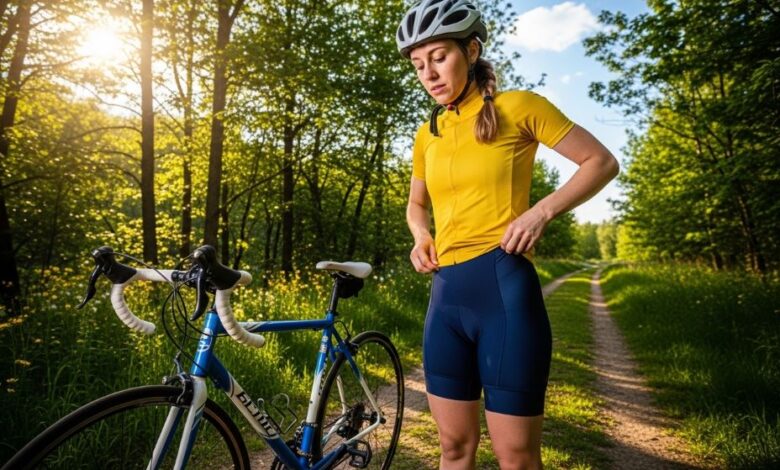
Starting to ride a bike is exciting. However, the wrong gear can make your first few rides very uncomfortable. One of the most important pieces of beginner cycling gear women need is a good pair of shorts. Cycling shorts protect your skin, reduce chafing, and support your body during a ride. The good news is that you do not need to spend a lot of money to get a decent pair. There are many affordable options that work well for new riders.
This guide will help you understand what to look for when choosing budget-friendly cycling shorts. You will learn about the key features, materials, and fit that matter most. Additionally, you will find tips to help you get the best value for your money.
Why Cycling Shorts Matter for New Riders
Many beginners skip cycling shorts and wear regular workout leggings instead. This might seem fine at first. However, after 30 minutes on a bike, the difference becomes very clear. Regular leggings do not have padding. They also create friction in all the wrong places.
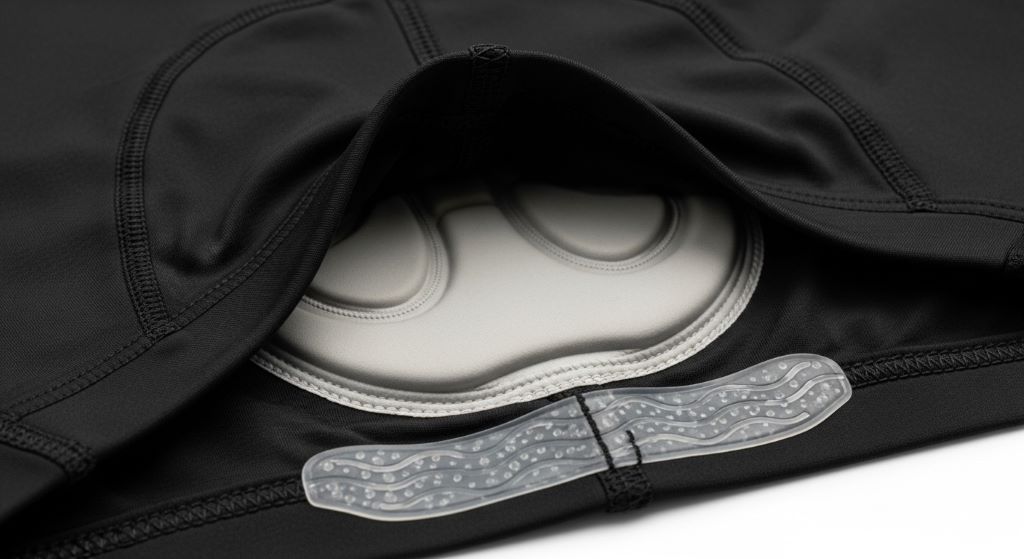
Cycling shorts are designed for one purpose. They help you sit on a bike seat for longer without pain. They have a special padded insert called a chamois (pronounced shammy). This insert sits between you and the saddle. It absorbs shock and reduces pressure. Therefore, your ride becomes much more comfortable.
For beginner women cyclists, comfort is the most important factor. When you are comfortable, you enjoy riding more. You also build endurance faster. So, investing in a basic pair of cycling shorts from the start is a smart move.
Understanding the Key Features of Cycling Shorts
The Chamois Pad
The chamois is the most important part of any cycling short. It is the foam or gel pad sewn into the crotch area. For beginners, a medium-thickness pad works best. A very thin pad offers little protection. On the other hand, a very thick pad can feel bulky and uncomfortable.
Look for a chamois that is seamless in the center. Seams in the wrong place can cause painful rubbing. Additionally, a women-specific chamois is shaped differently than a men’s version. It is wider at the sit bones and narrower in other areas. Always choose shorts made specifically for women.
The Fabric
The material of cycling shorts affects your comfort greatly. Most cycling shorts use a blend of Lycra, spandex, or polyester. These fabrics stretch well. They also move with your body instead of against it.
Look for fabric that is moisture-wicking. This means the fabric pulls sweat away from your skin. Staying dry keeps you cool and reduces the chance of skin irritation. Additionally, flatlock stitching (seams that lie flat) is a good sign. Flat seams do not dig into your skin during a ride.
The Waistband
A good waistband should stay in place without digging in. Some shorts have a wide elastic waistband. Others use a silicone gripper at the top or bottom of the waistband. The gripper keeps the shorts from riding up during your ride. For beginners, a wide, soft waistband with a light grip is ideal.
The Leg Grippers
The bottom of each leg on a cycling short has a gripper band. This keeps the shorts from bunching up when you pedal. Silicone grippers are the most common. They should feel snug but not tight. If the leg gripper leaves a deep mark on your skin, the shorts are too tight.
Bib Shorts vs. Regular Shorts: Which Should You Choose?
Cycling shorts come in two main styles: regular shorts with a waistband and bib shorts with suspender straps. As a beginner, regular shorts are usually the better starting point. They are easier to put on and take off. They are also more affordable.
Bib shorts are favored by more experienced cyclists. They offer a more secure fit and do not have a waistband that could press on your stomach. However, they can be tricky to remove during a bathroom break. Therefore, start with regular shorts and consider bib shorts later as you progress.
How to Find the Right Fit
Fit is everything when it comes to cycling shorts. Shorts that are too loose will shift and rub. Shorts that are too tight will restrict blood flow and feel uncomfortable. Here is what to check when trying on a pair.
- The chamois should sit directly against your skin. Never wear underwear under cycling shorts. The chamois is designed to work without underwear.
- The shorts should feel snug but not painful. They should compress gently without pinching.
- The leg length should end mid-thigh. Too short and you lose coverage; too long and they bunch at the knee.
- Bend forward as if you were on a bike. The waistband should not roll or gap at the back.
- Check the size chart of each brand. Sizing varies between manufacturers.
Additionally, it helps to try shorts on in a cycling position. Stand in front of a mirror and lean forward at your hips. This simulates how your body sits on a bike. If you notice any pulling, gaps, or bunching, that pair is not the right fit for you.
What to Look for in Entry-Level Bike Shorts
Entry-level bike shorts do not need to have every premium feature. However, a few basics are non-negotiable. When shopping on a budget, focus on these qualities.
- A women-specific chamois: This makes a big difference in comfort. Do not settle for a unisex pad if you can avoid it.
- Flatlock seams: These reduce skin irritation during longer rides.
- Moisture-wicking fabric: This keeps you dry and comfortable.
- Silicone leg grippers: These prevent bunching and keep the shorts in place.
- Good reviews from other beginner cyclists: Real user feedback is very helpful when buying online.
You can find solid entry-level bike shorts for $20 to $50. Brands like Pearl Izumi, Sugoi, Terry, Canari, and Giro all offer affordable women’s options. Shopping during sales or buying previous-season models can save you even more money.
How to Care for Your Cycling Shorts
Proper care extends the life of your shorts. Cycling shorts are an investment, even at a budget price. Therefore, treat them well.
Wash your shorts after every ride. Bacteria from sweat can build up in the chamois and cause skin problems. Turn them inside out before washing. Use a gentle detergent and cold water. Avoid fabric softener because it breaks down the elasticity and the chamois foam over time.
Let your shorts air dry. Do not put them in a dryer. High heat damages the spandex fibers and shortens the life of the chamois. Hang them in a well-ventilated area instead.
Additionally, avoid sitting in your cycling shorts off the bike for long periods. This puts extra pressure on the chamois and wears it out faster.
Chamois Cream: Should You Use It?
Chamois cream is a lubricating cream designed for cyclists. You apply it to the chamois or directly to your skin before a ride. It reduces friction and prevents saddle sores.
For short rides under an hour, chamois cream is often not necessary. However, for longer rides or if you are experiencing any rubbing, it is worth trying. Many brands offer affordable chamois creams. A small tub can last for many months.
Always apply chamois cream before you put on your shorts. A little goes a long way. Focus on the areas that come into contact with the saddle.
Tips for First-Time Buyers
Shopping for your first pair of cycling shorts can feel overwhelming. There are many options and a wide range of prices. Here are a few simple tips to make the process easier.
- Start with one good pair rather than several cheap pairs. One well-made budget pair is better than three poor-quality ones.
- Read size charts carefully. Do not assume your clothing size matches your cycling short size.
- Check the return policy before buying online. You want the option to exchange for a different size.
- Visit a local bike shop if possible. Staff can help you find the right fit and recommend beginner cycling gear women actually need.
- Do not be swayed by looks alone. Function matters more than color or style when you are just starting out.
Also, remember that even budget shorts will feel unfamiliar at first. Give yourself a few rides to adjust. Most new cyclists need a short break-in period before the shorts feel natural.
When to Upgrade Your Shorts
Budget shorts are a great starting point. However, as you ride more, you may find yourself wanting more support. This is a good sign. It means you are progressing as a cyclist.
Consider upgrading when you regularly ride for more than an hour. Longer rides demand better padding and more supportive fabric. You might also upgrade if you start riding on rough terrain or in hot weather. Higher-end shorts use better chamois materials and more advanced fabrics.
There is no pressure to upgrade quickly. Many recreational cyclists ride happily in budget shorts for years. The goal is to enjoy your rides. Therefore, upgrade when it makes sense for your riding goals and your budget.
Conclusion
Choosing the right cycling shorts does not have to be complicated or expensive. As a new rider, focus on the basics: a women-specific chamois, flatlock seams, moisture-wicking fabric, and a secure fit. These four features will make your rides far more enjoyable.
Start with one reliable pair of budget shorts. Wash them after every ride and let them air dry. Use chamois cream if you experience any rubbing. Give yourself a few rides to break them in.
Above all, remember that comfort is the key to building a love of cycling. The right gear helps you focus on the ride, not the discomfort. With so many affordable options available today, there is no reason to skip this essential piece of kit. Happy riding!
Frequently Asked Questions
1. Do I really need to wear cycling shorts for short rides?
For rides under 20 to 30 minutes, regular workout leggings may feel fine. However, for anything longer, cycling shorts make a noticeable difference. The chamois pad reduces pressure on your sit bones and prevents chafing. Even for short rides, wearing proper shorts helps you build good habits and prepares you for longer distances as you improve.
2. Should I wear underwear under cycling shorts?
No. You should never wear underwear under cycling shorts. The chamois is designed to sit directly against your skin. Adding underwear creates extra seams and fabric that cause friction and increase the risk of saddle sores. Cycling shorts are meant to be worn without underwear.
3. How much should I spend on my first pair of cycling shorts?
A budget of $25 to $50 is enough for a good beginner pair. You do not need to spend $100 or more when you are just starting out. Focus on finding a pair with a women-specific chamois and flatlock seams within your budget. As your riding improves and your needs change, you can invest in more advanced gear.
4. How do I know if my cycling shorts fit correctly?
The shorts should feel snug but not painfully tight. The chamois should sit flat against your skin without bunching or shifting. The waistband should stay in place without rolling or digging in. Test the fit by bending forward at the hips, as if you were on a bike. There should be no gaps at the back and no pulling at the legs.
5. How often should I replace my cycling shorts?
With proper care, a good pair of cycling shorts can last one to three years. Signs that it is time to replace them include a chamois that has lost its padding, fabric that has thinned or become see-through, stretched-out leg grippers that no longer hold the shorts in place, and seams that are fraying or irritating your skin. Regular washing and air drying will extend the life of your shorts significantly.
Related Topics:
7 Best Budget Electric Surfboards for Every Rider in 2025
How to Hit a Golf Ball: Beginner-Friendly Tips for Better Swings