

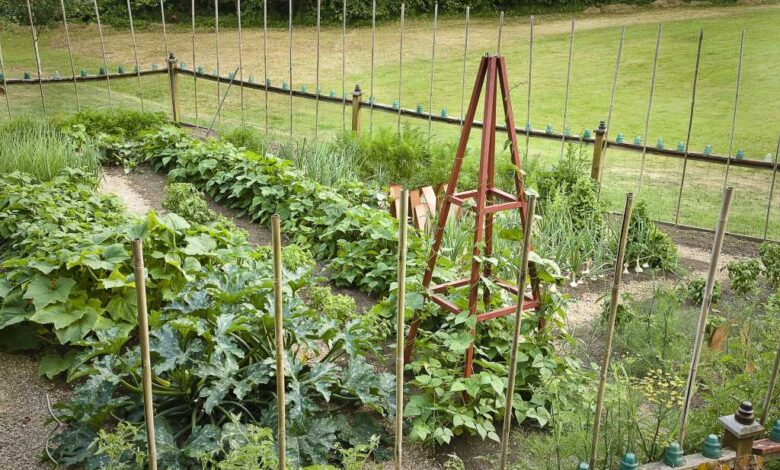
A flourishing garden is a source of pride and joy for any homeowner. But the tranquility can be disrupted by unwanted animal visitors who nibble on your plants, dig up your flower beds, or leave behind unsightly droppings. Whether you’re battling squirrels, rabbits, deer, or other critters, this comprehensive guide will help you secure your garden and protect your precious plants.
Understanding Your Animal Visitors
The first step in deterring unwanted visitors is understanding who they are and what attracts them. Different animals have different preferences and behaviors:
- Squirrels: These agile creatures love digging for bulbs and munching on fruits and nuts.
- Rabbits: Rabbits are notorious for nibbling on young seedlings and tender vegetables.
- Deer: These larger mammals can cause significant damage by browsing on foliage and shrubs.
- Raccoons: These nocturnal bandits are attracted to compost piles and garbage cans.
- Birds: While some birds are beneficial, others can peck at fruits and vegetables.
Physical Barriers: Your First Line of Defense
Physical barriers are often the most effective way to keep animals out of your garden. Here are some options:
- Fencing: A sturdy fence is a deterrent for many animals. Choose a material that is difficult to climb or dig under. For deer, consider a tall fence (at least 8 feet high).
- Netting: Fine-mesh netting can protect individual plants or entire beds from rabbits and birds.
- Chicken wire: Bury chicken wire a few inches deep around the perimeter of your garden to deter digging animals like rabbits and raccoons.
- Tree guards: Protect young trees and shrubs with wire mesh or plastic tree guards.
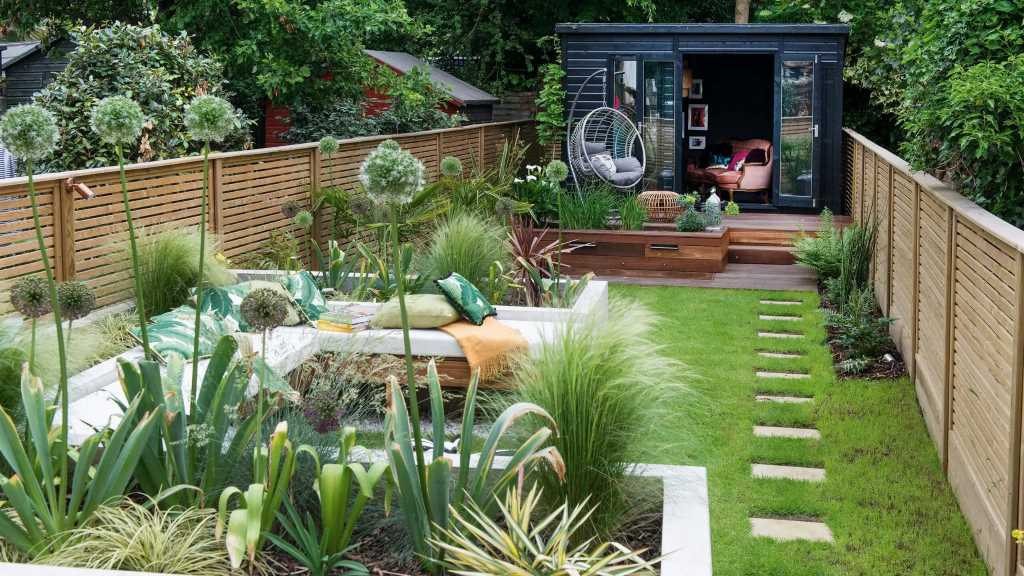
- Raised beds: Elevated garden beds can make it more difficult for some animals to reach your plants.
Natural Repellents: A Humane Approach
If you prefer a more humane approach, natural repellents can be effective:
- Strong scents: Animals like deer and rabbits have a keen sense of smell. Scatter strong-smelling substances like garlic, peppermint oil, or predator urine around your garden.
- Homemade sprays: Create your own repellent sprays using ingredients like hot pepper, soap, or vinegar.
- Companion planting: Some plants, like marigolds, onions, or lavender, have scents that deter certain animals.
- Motion-activated sprinklers: These devices startle animals with a sudden burst of water.
- Ultrasonic repellers: These emit high-frequency sounds that are unpleasant to some animals.
Scare Tactics: Startle and Deter
Scaring animals away can be a temporary solution, but it may not always be effective in the long run. Here are some scare tactics:
- Noisemakers: Wind chimes, aluminum cans, or radios can create noise that startles animals.
- Scarecrows: Although traditional scarecrows may not fool animals for long, they can add a whimsical touch to your garden.
- Reflective objects: Shiny objects like old CDs or aluminum foil can scare birds away.
- Predator decoys: Place plastic owls, snakes, or coyotes in your garden to create the illusion of danger.
Additional Tips for a Secure Garden
- Clean up: Remove fallen fruits, vegetables, and seeds to avoid attracting animals.
- Secure compost and garbage: Keep compost piles enclosed and garbage cans tightly sealed.
- Feed pets indoors: Don’t leave pet food outside, as it can attract raccoons and other scavengers.
- Change tactics: Animals can become accustomed to certain repellents or scare tactics. Change your methods regularly to keep them guessing.
A Note on Trapping and Relocation
Trapping and relocating animals should only be considered as a last resort and should be done humanely and in accordance with local laws and regulations.
Conclusion
By understanding the habits of unwanted animal visitors and implementing a combination of physical barriers, natural repellents, scare tactics, and good gardening practices, you can create a secure and thriving garden that is both beautiful and protected. Remember, patience and persistence are key. Don’t get discouraged if one method doesn’t work immediately. Experiment with different approaches until you find the perfect solution for your garden.