


When people think of spas, they often imagine relaxation, rejuvenation, and luxurious pampering. Spas are associated with mental and physical wellness, providing a temporary escape from the stress of everyday life. However, not everything about spas is as blissful as it seems. In fact, some hidden downsides could make you think twice before booking your next appointment.
In this article, we’ll explore seven bad things about spa experiences that might surprise you. From health risks to hidden costs, there are several factors worth considering before stepping into that steam room.
-
Hygiene Issues in Some Spas
One of the most overlooked aspects of spa visits is the potential for poor hygiene. Not all spas maintain the rigorous cleanliness standards required to prevent infections. Shared amenities like hot tubs, saunas, and pools can become breeding grounds for bacteria and fungi if not properly sanitized.
While reputable spas follow strict sanitation protocols, it’s important to do your research and ensure that the spa you choose prioritizes cleanliness. Dirty equipment or reused tools in treatments like facials or pedicures can lead to skin infections, rashes, or even more serious health complications.
-
Overpromising and Underdelivering
Spas often market their treatments with grand claims—promising everything from “instant anti-aging results” to “detoxification miracles.” While some treatments can offer real benefits, others fall into the realm of pseudoscience.
Many people are surprised to learn that some popular treatments lack scientific backing. For example, detox wraps may cause temporary water loss but don’t actually remove toxins from the body as claimed. Understanding the bad things about spa treatments can help you avoid wasting money on ineffective or even potentially harmful services.
-
Hidden Costs and Upselling Tactics
At first glance, spa treatments may seem affordable, but the final bill often tells a different story. Hidden fees, mandatory service charges, and gratuities can significantly increase your overall cost. Some spas also use upselling tactics, encouraging you to purchase additional products or services that you didn’t plan for.
Moreover, luxurious add-ons like aromatherapy, scalp massages, or special oils may not be included in the base price and can be added automatically to your bill unless you opt out. It’s always wise to clarify pricing and read the fine print before agreeing to any extra services.
-
Not All Therapists Are Properly Certified
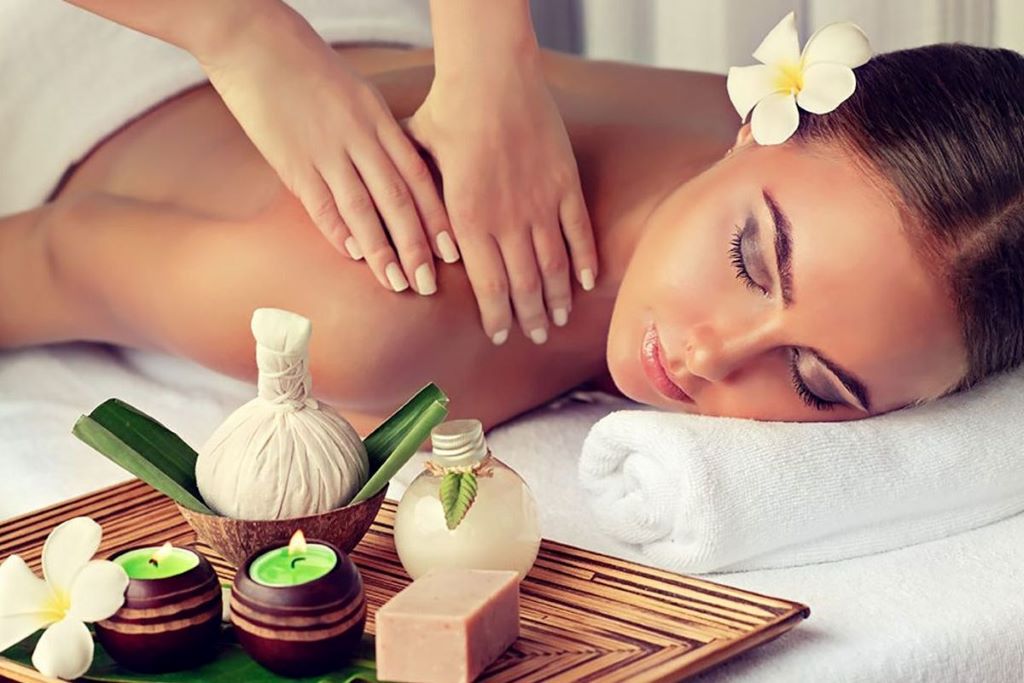
Massage therapy and other spa treatments require proper training and certification. Unfortunately, not all spa therapists are licensed or adequately trained. This can lead to subpar service or even injuries. A poorly executed massage could strain your muscles or aggravate an existing condition.
Therefore, it’s essential to verify the credentials of the therapists at your chosen spa. Reputable establishments will have no problem sharing this information with you. If they hesitate, it might be a red flag worth paying attention to.
-
Allergic Reactions to Products
Spas use a variety of products—essential oils, exfoliants, creams, and lotions—many of which contain fragrances, dyes, or other additives that can cause allergic reactions. For those with sensitive skin or allergies, this can lead to itching, redness, or more severe symptoms like respiratory issues.
To avoid this, always inform your therapist of any allergies or sensitivities before your session. You might also consider opting for spas that use organic or hypoallergenic products. A great resource for safer spa options and home treatments is aromatherapyhomespa.com, which focuses on natural and personalized wellness solutions.
-
Psychological Dependence
While the occasional spa visit can be a wonderful way to de-stress, frequent trips may lead to psychological dependence. Some individuals begin to rely on spa visits as their only method of managing anxiety or life’s pressures. This can be problematic, especially if it begins to interfere with daily functioning or financial stability.
It’s important to maintain a balanced approach to self-care. Incorporating other stress management techniques like meditation, exercise, or journaling can provide more sustainable mental health benefits.
-
Environmental Impact
Many spas use a significant amount of water and electricity, contributing to environmental degradation. Heated pools, saunas, and steam rooms are energy-intensive, and disposable items such as towels, slippers, and plastic bottles contribute to waste.
As sustainability becomes a growing concern, some eco-conscious consumers are rethinking their spa habits or choosing green-certified establishments. Supporting spas that practice environmentally friendly operations—such as recycling, reducing plastic use, and conserving water—can help reduce your ecological footprint.
FAQs
-
Are all spa treatments safe for pregnant women?
Not all spa treatments are suitable during pregnancy. Services like hot tubs, saunas, and certain massages can be risky. Always consult with your doctor and inform the spa staff about your pregnancy beforehand.
-
Can I get an infection from a spa?
Yes, infections are possible, especially if hygiene standards are not met. Common issues include fungal infections, skin rashes, and bacterial contamination from unsanitized tools or water sources.
-
How often should I visit a spa?
This depends on your personal needs and budget. For general relaxation, once a month might be sufficient. However, more frequent visits are not always necessary and could become financially burdensome.
-
Is aromatherapy at spas effective?
Aromatherapy can be beneficial for relaxation and mood enhancement, but its effectiveness varies from person to person.
-
What should I look for in a good spa?
Look for proper licensing, trained staff, transparent pricing, and positive customer reviews. Cleanliness and customer service are also critical indicators of a spa’s quality.
Conclusion
While spas can offer a haven of relaxation, it’s important to recognize the potential drawbacks. Hygiene concerns, misleading claims, high costs, and environmental issues are just a few of the bad things about spa experiences that often go unnoticed. Educating yourself before visiting a spa can help you make informed decisions and avoid unnecessary risks.
Whether you’re a seasoned spa-goer or a first-timer, consider exploring alternative wellness practices that are safer, more affordable, and environmentally friendly. By being informed and selective, you can enjoy the benefits of self-care without falling into common spa pitfalls.
Read More: Dallas Skincare Routines: Best Products + Spa Services