
Can You Put Corian Countertops Near or On a Stovetop? What You Need to Know

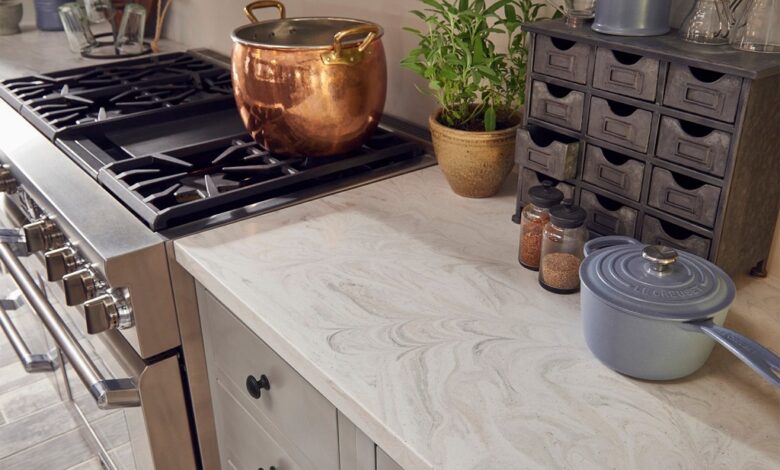
Corian countertops are a popular choice for modern kitchens, thanks to their sleek design, durability, and versatility. Homeowners often choose Corian for its seamless appearance and ability to mimic natural stone while being easier to maintain. However, when planning a kitchen remodel or upgrade, many wonder about the practicality of installing Corian near heat sources. Specifically, the question arises: can Corian be placed on or near a stovetop? At Healthy Flat, we aim to provide clear answers to help you make informed decisions about your kitchen design. This article explores the safety, limitations, and best practices for using Corian countertops near stovetops, ensuring your kitchen remains both functional and beautiful.
Understanding Corian: What Makes It Unique?
Corian is a solid surface material made from a blend of acrylic resin and natural minerals. Unlike natural stone, it’s non-porous, making it resistant to stains and easy to clean. Its smooth, seamless look appeals to homeowners seeking a modern aesthetic. However, Corian’s composition raises concerns about its heat resistance, especially in high-heat areas like stovetops. To answer whether Corian can be placed on a stovetop, we need to examine its heat tolerance and how it behaves under typical kitchen conditions.
Heat Resistance of Corian Countertops
Corian is durable, but it has limitations when exposed to high temperatures. The material can withstand heat up to approximately 212°F (100°C) without damage. However, stovetops, especially gas or electric ranges, can generate temperatures far exceeding this threshold. Direct contact with hot pots, pans, or open flames can cause discoloration, warping, or cracking in Corian. Therefore, placing Corian directly on a stovetop is not recommended, as the intense heat could compromise its integrity. Instead, proper precautions and installation techniques are essential to safely use Corian near cooking areas.
Can Corian Be Installed Near a Stovetop?
While Corian should not be placed directly on a stovetop, it can be safely installed nearby with proper precautions. The key is maintaining a safe distance and using protective measures to shield the countertop from heat. Most kitchen designs position countertops adjacent to stovetops, and Corian can work well in these setups if guidelines are followed. For example, ensuring a gap of at least a few inches between the stovetop edge and the Corian surface helps minimize heat transfer. Additionally, using heat-resistant barriers or trivets can further protect the countertop.
Best Practices for Protecting Corian Near Stovetops
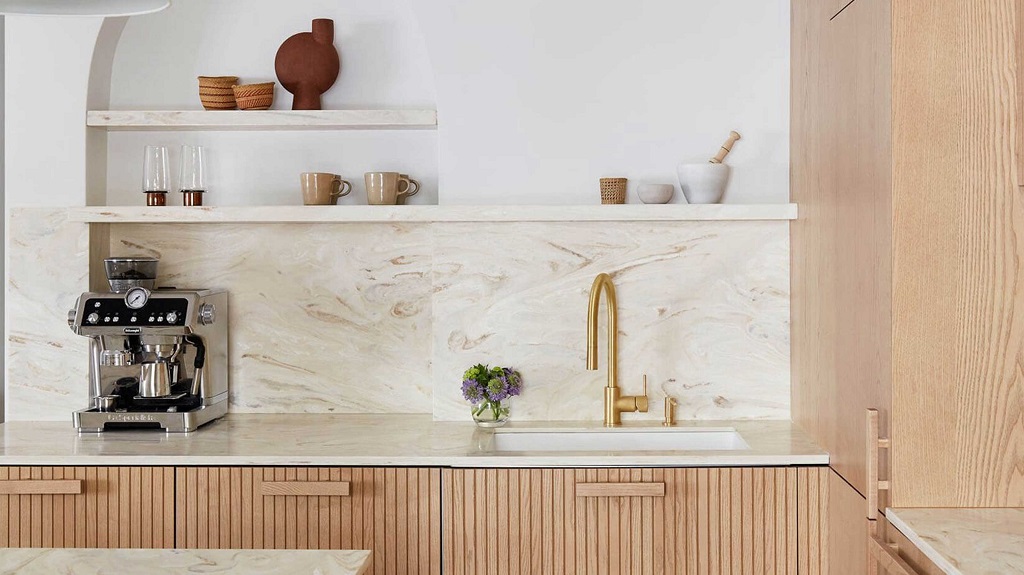
To ensure your Corian countertop remains undamaged near a stovetop, follow these practical tips:
- Use Trivets or Hot Pads: Always place hot cookware on trivets or hot pads instead of directly on the Corian surface. This prevents heat damage and preserves the countertop’s appearance.
- Install Heat Shields: Some kitchen designs incorporate heat-resistant materials, like stainless steel or ceramic tiles, between the stovetop and Corian countertop for added protection.
- Maintain a Safe Distance: When designing your kitchen, ensure the Corian countertop is not in direct contact with the stovetop. A small buffer zone reduces the risk of heat exposure.
- Avoid Open Flames: If using a gas stove, be cautious of flames extending beyond the cookware, as they could directly heat the countertop.
- Clean Spills Promptly: Hot spills, like grease or boiling water, can damage Corian if left unattended. Wipe them up immediately to prevent staining or heat marks.
By following these practices, you can enjoy the benefits of Corian while minimizing the risks associated with heat exposure.
Why Corian’s Heat Sensitivity Matters
Corian’s acrylic-based composition makes it less heat-resistant than materials like granite or quartz. While this is a drawback, it doesn’t mean Corian is unsuitable for kitchens. Instead, it highlights the importance of mindful use. For instance, placing a hot pan directly from the stovetop onto a Corian surface can cause thermal shock, leading to cracks or burns. However, with proper care, Corian remains a practical and stylish choice for most kitchens. Understanding its limitations allows you to make informed decisions during installation and daily use.
Comparing Corian to Other Countertop Materials
To put Corian’s heat resistance in perspective, let’s compare it to other popular countertop materials:
- Granite: Granite is highly heat-resistant and can handle hot pots without damage, making it a better choice for direct stovetop proximity.
- Quartz: Quartz, like Corian, is a manufactured material with moderate heat resistance. It can tolerate slightly higher temperatures but still requires protection.
- Stainless Steel: Stainless steel is virtually impervious to heat, making it ideal for commercial kitchens or areas near stovetops.
- Laminate: Laminate is less heat-resistant than Corian and more prone to damage, requiring extra caution near heat sources.
While Corian may not match granite or stainless steel in heat resistance, its ease of maintenance and aesthetic versatility make it a strong contender for many homeowners.
Design Considerations for Corian in Kitchens
When planning a kitchen with Corian countertops, consider the layout carefully. Position the stovetop to allow sufficient counter space on either side, reducing the likelihood of accidental heat exposure. Additionally, integrate heat-resistant materials into the design, such as a tiled backsplash or a metal strip near the stove. These elements not only protect the Corian but also enhance the kitchen’s visual appeal. Consulting with a professional installer can help ensure your kitchen design balances functionality and style while adhering to Corian’s care guidelines.
Common Misconceptions About Corian and Heat
Some homeowners mistakenly believe Corian is as heat-resistant as natural stone, leading to costly damage. Another misconception is that minor heat exposure won’t harm the surface. In reality, even brief contact with high heat can cause issues. Educating yourself about Corian’s properties helps avoid these pitfalls. For example, while Corian is repairable—scratches and minor burns can often be sanded out—repeated heat damage may require professional restoration, which can be expensive.
Maintaining Your Corian Countertop
Maintaining Corian near a stovetop is straightforward with regular care. Clean the surface with mild soap and water to remove grease or spills. Avoid abrasive cleaners, as they can dull the finish. Periodically check for signs of heat damage, such as discoloration or warping, and address them promptly. If damage occurs, contact a professional to assess whether the countertop can be repaired or needs replacement. Consistent care ensures your Corian countertop remains beautiful and functional for years.
Conclusion
Corian countertops offer a stylish and practical option for modern kitchens, but they require careful consideration near stovetops. While Corian cannot be placed directly on a stovetop due to its limited heat resistance, it can be safely installed nearby with proper precautions like trivets, heat shields, and adequate spacing. By understanding Corian’s properties and following best practices, you can enjoy its benefits without risking damage. Whether you’re remodeling or upgrading, these insights help you create a kitchen that’s both functional and visually appealing.
Read More Also: Secure Your Garden Against Unwanted Animal Visitors: A Comprehensive Guide
Frequently Asked Questions
-
Can Corian countertops handle hot pans?
No, Corian cannot withstand direct heat from hot pans. Always use a trivet or hot pad to protect the surface.
-
Is Corian a good choice for kitchens with gas stoves?
Yes, but extra care is needed. Ensure a safe distance between the stove and countertop, and avoid exposing Corian to open flames.
-
Can heat-damaged Corian be repaired?
Minor heat damage, like burns or discoloration, can often be repaired by sanding or professional restoration, but severe damage may require replacement.
-
How close can a Corian countertop be to a stovetop?
A gap of a few inches is recommended to minimize heat transfer. Consult with an installer for precise measurements based on your kitchen layout.
-
What materials are better than Corian for stovetop areas?
Granite and stainless steel offer superior heat resistance, making them better suited for direct stovetop proximity.