

Key Takeaways
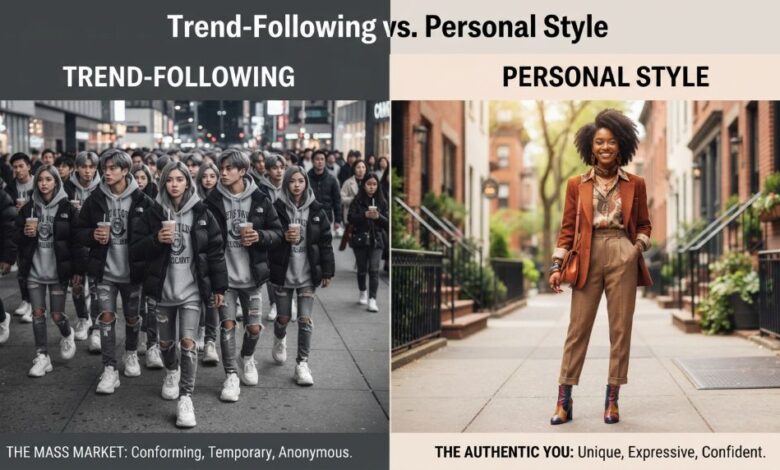
- Trends are short-lived and shaped by the fashion industry, while personal style is lasting and shaped by you.
- Research shows comfort and fit matter more to most people than staying on-trend.
- Personal style builds confidence; trend-chasing often leads to a cluttered closet and less satisfaction.
- You can enjoy trends without losing your personal style. The two are not enemies.
- Small, steady choices—not big overhauls—build a style that truly feels like you.
Every season brings a new “must-have” item. Social media moves even faster, pushing fresh trends daily. However, as the fashion experts at NewJerseyStylist often warn, chasing every trend can leave your closet full but your confidence empty. Personal style works differently. It grows slowly and reflects who you actually are. This article explains the real difference between the two. It also shows why building your own style pays off more than following every trend.
What Does Following Trends Actually Mean?
Following trends means adopting styles because they are popular right now. These styles usually come from designers, celebrities, or social media creators. Fashion brands release new trends every few weeks. Therefore, trend followers often feel pressure to update their wardrobe constantly.
Trends are not inherently bad. They introduce new colors, cuts, and ideas you might never try otherwise. Additionally, trends can be fun and exciting to experiment with. The problem starts when trends replace your own taste entirely.
Fashion moves faster than ever today. New trends appear daily across social platforms, and many fade just as quickly. This speed makes it harder for people to figure out what they actually like. Instead, they simply copy what is popular in the moment.
Trend-following also tends to be expensive. Constantly buying new pieces to match the latest look adds up financially. It also creates more waste, since trend items often get discarded quickly. As a result, many people end up with closets full of clothes they rarely wear.
Understanding this pattern is the first step. Once you recognize trend-driven habits, you can start making more intentional choices.
What Does Personal Style Really Mean?
Personal style is different from trends in one key way: it comes from you. It reflects your personality, values, and lifestyle. Unlike trends, personal style does not expire every season.
Developing personal style takes time and self-awareness. You learn what colors suit you. You discover which fits feel comfortable and confident. Consequently, your choices become more consistent over time.
Personal style also connects to identity. It is less about “what’s in” and more about “what’s me.” A person with strong personal style can wear an old outfit and still look intentional. That is because the outfit reflects their taste, not a passing moment in fashion history.
Research supports this idea. In a 2024 Pinterest Predicts report, researchers found that people are increasingly choosing personal aesthetics over single dominant trends. This shift shows a broader move toward individuality in fashion choices.
Building personal style does not mean ignoring trends completely. Instead, it means filtering trends through your own taste. You choose what fits your life, not what fits everyone else’s feed.
Why Comfort and Fit Matter More Than Trends
Many people assume trends drive most clothing decisions. However, research tells a different story. A 2025 survey of UK women found that 66% said clothing fit mattered most for confidence. Additionally, 55% said comfort mattered more than following current trends. Only 13% said staying on-trend made them feel confident.
This data reveals something important. Confidence usually comes from how clothes make you feel, not how trendy they look. Therefore, prioritizing fit and comfort often leads to better style decisions than chasing headlines.
This does not mean trends have no value. Many people in the same survey said they still enjoy incorporating trends into their wardrobe. The key difference is priority. Trend-conscious people who also value fit tend to report higher satisfaction with their clothes.
For readers building their own style, this research offers a clear lesson. Start with what fits and feels good. Then, layer trends on top only if they match your comfort and taste. This approach avoids wasted purchases and closet clutter.
Key Differences Between Trends and Personal Style
Here are the main differences, broken down clearly:
- Source: Trends come from external influences like brands and media. Personal style comes from internal preferences and self-awareness.
- Lifespan: Trends fade within weeks or months. Personal style lasts for years and evolves slowly.
- Cost: Following every trend often costs more money over time. Personal style focuses on fewer, well-chosen pieces.
- Confidence: Trends can boost confidence briefly. Personal style builds lasting confidence rooted in self-knowledge.
- Flexibility: Trends require constant updating. Personal style allows you to reuse pieces across seasons.
Understanding these differences helps you make smarter choices. You do not need to pick one over the other completely. Instead, you can blend both approaches wisely.
How to Build Your Own Personal Style
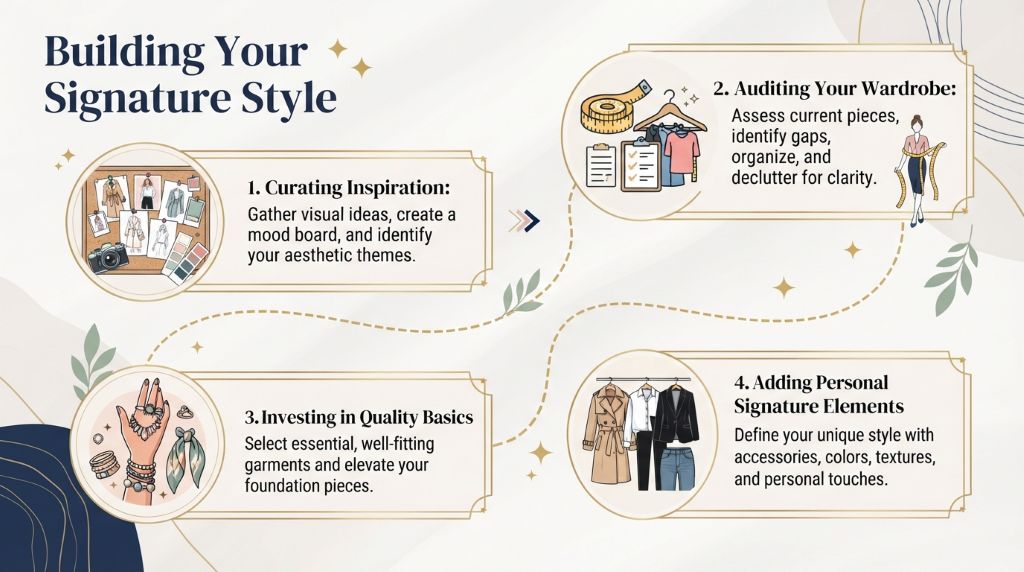
Building personal style is a gradual process. It requires observation, experimentation, and patience. Below are practical steps to help you start.
- Study what you already own. Identify pieces you wear often. These items usually reveal your true preferences.
- Notice patterns in colors and shapes. Most people gravitate toward specific tones and silhouettes without realizing it.
- Try pieces before committing. Test new styles in low-cost ways before investing heavily.
- Limit trend purchases. Buy trendy items only when they genuinely match your taste.
- Focus on fit first. As research shows, fit strongly influences how confident you feel.
- Give it time. Personal style develops over months and years, not overnight.
According to fashion entrepreneur Sofia Symonds, confidence starts with authenticity rather than imitation. She notes that the most memorable people are rarely dressed exactly like everyone else. Instead, they take time to understand what feels natural to them. This mindset aligns closely with the research on comfort and fit driving confidence.
Can Trends and Personal Style Work Together?
Yes, trends and personal style can coexist successfully. The key is using trends selectively rather than following them blindly. When a trend aligns with your existing taste, it can enhance your style rather than override it.
For example, if you already love neutral tones, a trending neutral-toned jacket fits naturally into your wardrobe. However, if a trend clashes with your comfort or values, skipping it makes more sense. This selective approach prevents wasted spending and closet overload.
Many stylish individuals use trends as accents, not foundations. They might add one trendy accessory to an otherwise classic outfit. This method keeps their look current without sacrificing their personal identity. Therefore, the goal is balance, not exclusion.
Conclusion
Following trends and developing personal style are not opposites. However, they serve different purposes. Trends offer excitement and variety, while personal style offers consistency and confidence. Research consistently shows that comfort and fit matter more to most people than staying trendy. Therefore, the smartest approach blends both: build a strong personal style foundation, then add trends selectively when they truly fit you. Even simple styling questions, such as whether you can wear tights with open-toe heels and a dress, can become opportunities to experiment with your look while staying true to your personal preferences. Start small. Review your closet, identify what you love, and build from there. Over time, your style will feel less like a copy of others and more like a true reflection of you.
Ready to define your own style? Start today by choosing one piece that feels authentically you, not just trendy.
Frequently Asked Questions
What is the main difference between trends and personal style?
Trends are short-term styles set by the fashion industry. Personal style is a lasting look shaped by your own taste and preferences.
Is it bad to follow fashion trends?
No, following trends is not bad. Problems only arise when trends completely replace your personal taste and comfort.
How long does it take to develop personal style?
Personal style typically develops over months or years. It grows through consistent self-observation and experimentation.
Does personal style cost more than following trends?
Usually not. Personal style focuses on fewer, well-chosen pieces, while constant trend-following often costs more over time.
Can I mix trends with my personal style?
Yes, you can combine both. Choose trends that match your existing taste and skip ones that do not fit your comfort or values.