

Key Takeaways
- The VIN is a 17-character code that acts as a car’s fingerprint.
- Learning to verify VIN details helps protect you from cloned and stolen cars.
- The VIN must match on the dash, door jamb, frame, title, and report.
- Free tools like NHTSA’s decoder and NMVTIS reveal hidden problems.
- Fresh rivets, mismatched plates, and altered digits are serious red flags.
A car can lie about its past, but its VIN cannot. This small strip of letters and numbers follows the vehicle from the factory to the scrap yard, tying back every crash, owner, and title change. That is why industry experts at TradeCarHub warn that checking the VIN should always be your first move, not your last.
I learned this lesson through my neighbor Tom. He once found a pickup at a price that seemed too good. The paint was clean, and the seller was friendly. Before he paid, I asked to see the VIN on the frame rail. The digits did not match the dash plate. We walked away, and weeks later he learned the truck had been rebuilt after a flood in another state. That ten-second check saved him roughly $9,000.
This guide teaches you how to verify VIN number information the same way. You will learn where to find the code, how to read it, and which tools expose hidden trouble. Additionally, you will learn the signs of tampering that scammers hope you never notice.
What Is a VIN and Why Does It Matter?
VIN stands for vehicle identification number. Since 1981, every car sold in the United States has carried a 17-character VIN. The code uses numbers and capital letters, but it never uses I, O, or Q. Those letters look too much like 1 and 0, so makers dropped them to prevent confusion.
Think of the VIN as a car’s fingerprint. No two vehicles on the road share the same one. Insurance companies, state agencies, repair shops, and police all use it to track the car’s life. Therefore, any change to the VIN hides the car’s true identity.
Why does this matter so much? Because vehicle crime is not rare. According to the National Insurance Crime Bureau, more than one million vehicles were stolen across the United States in 2023. Many stolen cars get false VINs and resell to unsuspecting buyers. The NHTSA also warns that cloned VINs let criminals shift crash and theft histories onto innocent cars.
When you verify the VIN, you confirm the car is what the seller claims. Additionally, you protect yourself from buying stolen property, which police can seize even from innocent buyers.
Where to Find the VIN on a Car
Scammers count on buyers checking only one spot. Therefore, honest verification means finding the VIN in several places and comparing them. Look here:
- Lower corner of the windshield on the driver’s side
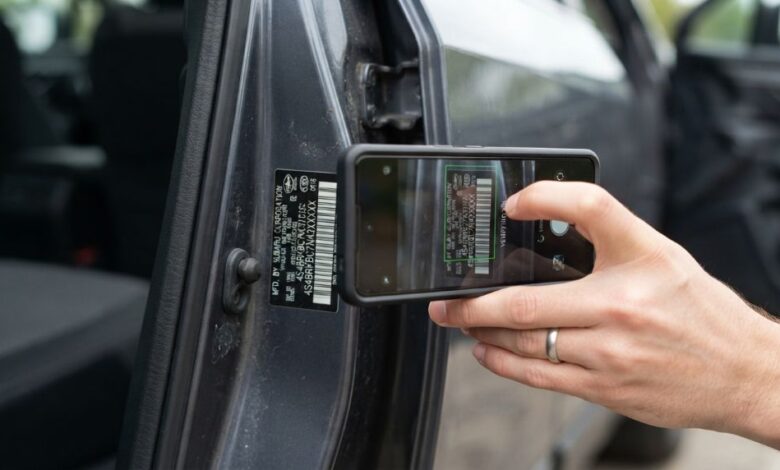
- Sticker inside the driver’s door jamb
- Metal plate or stamp on the dashboard near the windshield
- Stamped code on the frame, often near a front wheel
- Engine bay sticker or plate
- Title, registration, and insurance documents
- Owner’s manual and service records
Start with the windshield plate, since it is easiest to read. Next, open the driver’s door and check the jamb sticker. Then compare both with the paperwork in the seller’s hand. Every character must match exactly.
Some vehicles also stamp the VIN on hidden parts. Pickup trucks often carry it on the frame inside a front wheel well. Motorcycles use the steering neck. If the seller refuses to let you check these spots, treat that refusal as a warning. Additionally, photograph each location with your phone. Photos create a record and make careful comparison easier later. This simple habit takes five minutes and closes most of the loopholes that criminals rely on.
How to Decode a VIN: Reading the 17 Characters
Each section of the VIN tells a story. Once you learn the pattern, you can spot lies on the spot. The code breaks into three parts:
- Positions 1 to 3: the World Manufacturer Identifier, which shows the country, maker, and vehicle type
- Positions 4 to 8: the descriptor, which covers model, body style, engine, and restraint system
- Position 9: the check digit, a security code that detects fake VINs
- Position 10: the model year code
- Position 11: the assembly plant
- Positions 12 to 17: the unique serial number
The check digit is the clever part. Mathematicians designed it so a valid VIN passes a set formula. If someone changes one character, the math fails. You do not need to calculate this yourself. Free decoders do it for you instantly.
The year code also helps. Position ten reveals the model year, so compare it with the year on the title. A 2015 title on a car whose VIN says 2011 is a serious problem. Additionally, position eleven shows the factory, which history fans often use to confirm a car’s origin. In short, the VIN answers basic questions before you spend a dollar.
How to Verify VIN Number Details Against the Car
Now comes the core step: comparing everything. Learning how to verify VIN number data takes patience, but the process is simple. Follow this order:
- Copy the VIN from the title and registration papers first.
- Read the windshield plate and compare it character by character.
- Open the door and check the jamb sticker.
- Look for the frame stamp or engine bay plate.
- Confirm every location matches the paperwork exactly.
While you compare, inspect the plates themselves. Original VIN plates sit flat with clean, factory rivets. Fresh scratches around a plate, shiny new rivets, or uneven edges suggest someone swapped it. Additionally, look at the stamped frame code. Tampering often leaves grinding marks, wobbly digits, or weld seams nearby.
Check the physical car against the code as well. Position one through three should match the brand on the grille. If the VIN says the car was built in Japan but the badge says otherwise, ask questions. My neighbor’s flood truck passed the dash test, however, the frame stamp gave it away. That single mismatch ended the deal. Therefore, never trust one plate alone. Honest cars show the same number everywhere, every time.
Run the VIN Through Free Government Tools
Physical checks catch tampering, but databases reveal history. After the numbers match, run the VIN through free official tools.
First, use the NHTSA VIN decoder. Enter the 17 characters, and it confirms the make, model, year, and plant. If the decoder rejects the VIN, the code is fake or mistyped. Therefore, stop and investigate.
Next, search the federal NMVTIS database at vehiclehistory.gov. This system tracks title brands, odometer readings, and junk or salvage records across states. It exists specifically to fight title washing and VIN cloning. Basic NMVTIS checks cost only a few dollars.
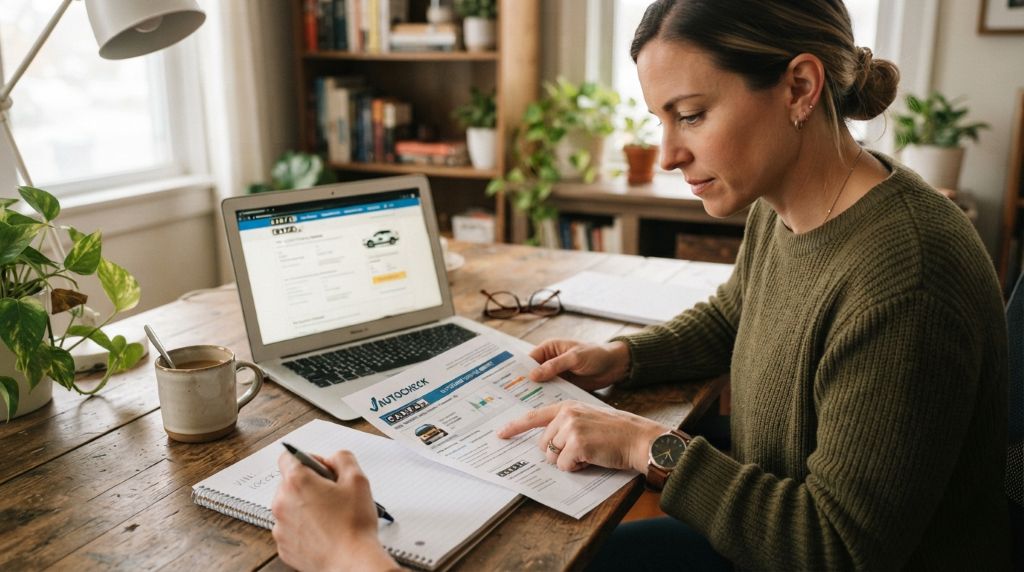
Then check for open recalls using the NHTSA recall tool by VIN. Millions of cars on U.S. roads still carry unfixed safety recalls, and dealers repair them for free. Additionally, ask for a paid history report from Carfax or AutoCheck. These reports list accidents, owners, and service visits tied to that exact VIN.
Here is the key rule. Every record must describe the same car you are standing next to. A history report for a blue sedan means nothing if you are buying a green coupe. Therefore, read the details, not just the summary.
Red Flags That Should Stop the Purchase
Some findings deserve no second chance. Walk away if you notice any of the following:
- VIN plates that differ between the dash, door, or frame
- Fresh rivets, glue, or scratches around a VIN plate
- Ground or welded marks near a stamped frame code
- A title or report that names a different model year
- A check digit that fails official decoders
- A recent title from a state known for salvage exports
- The seller refuses to let you inspect hidden VIN stamps
- Paperwork names that do not match the seller’s ID
Any single item can mean a stolen, cloned, or rebuilt car. Additionally, pressure tactics deserve suspicion. Honest sellers answer VIN questions happily, because they have nothing to hide. Remember, one million cars were stolen in 2023, and clones end up on ordinary corner lots. Therefore, trust the evidence over the sales pitch. Another car is always available, but your money is not easy to replace.
Final Thoughts
Verifying a VIN takes about fifteen minutes, yet it guards against some of the worst used-car scams. Find the code in every location, compare it with the papers, inspect the plates for tampering, and run it through free federal tools. Then finish with a history report and a mechanic’s inspection. If you’re also researching vehicle reliability before buying, you may find this guide on are Buicks good cars? A comprehensive look at reliability, performance, and value helpful when evaluating your options.
Tom’s flood truck taught me that the smallest details carry the biggest warnings. One mismatched frame stamp said what the seller never would. The same protection is available to you, so make this check a habit before any purchase.
Have you ever caught a VIN problem before buying a car? Share your experience in the comments below. Additionally, share this guide with a friend who is shopping for a used car right now.
Frequently Asked Questions
What does VIN stand for?
VIN means vehicle identification number. It is a 17-character code that uniquely identifies every car since 1981.
Where can I find the VIN on a used car?
Check the windshield, driver’s door jamb, frame stamp, engine bay, title, and registration. All must match.
Is there a free way to verify a VIN?
Yes. The NHTSA decoder and the recall lookup are free. NMVTIS checks at vehiclehistory.gov cost only a few dollars.
What is a cloned VIN?
A cloned VIN copies the identity of a legal car. Criminals place it on stolen vehicles to hide their past.
Can a VIN check tell me about accidents?
History reports tied to the VIN list reported accidents, title brands, and odometer records. Unreported repairs may not appear.