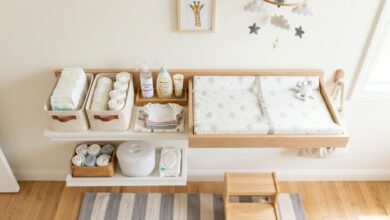


Keeping your baby warm during cold nights is one of your top priorities as a parent. However, choosing the right heater for your nursery involves more than just picking the most powerful option. You need to consider safety features, efficiency, noise levels, and how well the heater maintains a comfortable temperature without overheating the room.
The market in 2026 offers numerous heating solutions designed specifically for nurseries and children’s rooms. Understanding the differences between these options will help you make an informed decision that keeps your little one cozy while giving you peace of mind. This comprehensive guide walks you through everything you need to know about selecting the perfect heater for your baby’s room.
Understanding Your Baby’s Temperature Needs
Babies regulate their body temperature differently than adults. Their systems are still developing, making them more sensitive to temperature fluctuations. Medical experts recommend keeping a nursery between 68 and 72 degrees Fahrenheit for optimal comfort and safety.
Overheating poses serious risks for infants. Research shows that rooms that are too warm can increase the risk of Sudden Infant Death Syndrome. Therefore, maintaining a consistent, moderate temperature is more important than making the room extra warm.
Your baby will show signs if the temperature isn’t right. Cold hands and feet, fussiness, or difficulty sleeping might indicate the room is too cold. Conversely, sweating, flushed cheeks, or rapid breathing can signal overheating. A reliable room thermometer helps you monitor conditions accurately.
Consider your climate and home insulation when choosing a heater. Drafty rooms in older homes need different heating solutions than well-insulated modern nurseries. Additionally, the size of the room affects which heater will work best for your situation.
Types of Heaters Suitable for Nurseries
Several heating technologies work well in baby rooms, each with distinct advantages. Understanding these differences helps you match the right type to your specific needs.
Ceramic heaters use electricity to heat ceramic plates, which then radiate warmth into the room. These units heat up quickly and often include built-in thermostats. They’re generally safe around children because the ceramic elements cool down rapidly when turned off. Many parents prefer these for their combination of efficiency and safety features.
Oil-filled radiators provide gentle, consistent warmth. They heat oil sealed inside metal columns, which radiates heat over time. These units operate silently and maintain temperature steadily without creating hot spots. Although they take longer to heat a room initially, they continue radiating warmth even after switching off, making them particularly economical.
Infrared heaters work differently by warming objects and people directly rather than heating the air. They provide immediate warmth and don’t dry out the air like some other types. However, they only heat areas within their direct line of sight, which can be limiting in larger rooms.
Convection heaters warm air that naturally circulates throughout the room. As warm air rises and cool air sinks, a continuous circulation pattern develops. These units work well for maintaining overall room temperature but may take time to heat cold spaces initially.
Panel heaters mount on walls and provide sleek, space-saving heating solutions. Modern versions offer precise temperature control and can be programmed for different times of day. They’re excellent for nurseries because they stay cool to the touch and don’t take up floor space.
Essential Safety Features to Look For
Safety should be your absolute top priority when selecting any appliance for your baby’s room. Modern heaters include various protective features, but not all models offer the same level of protection.
Tip-over protection automatically shuts off the heater if it gets knocked over. This feature is critical in nurseries where you might accidentally bump into the unit during nighttime feedings or diaper changes. Look for models with sensitive switches that activate immediately when the heater tilts.
Overheat protection prevents the unit from reaching dangerous temperatures. Quality heaters include sensors that shut off the device if internal components get too hot. This feature protects against fire hazards and ensures the room doesn’t become uncomfortably warm.
Cool-touch exteriors keep the heater’s surface safe to touch even when operating at full capacity. This design prevents burns if your curious toddler touches the unit. Some models use double-wall construction or special materials to keep external surfaces cool.
Automatic shut-off timers let you set the heater to turn off after a specific period. This prevents all-night operation and reduces energy waste. Additionally, it provides backup protection if you forget to turn off the heater manually.
Certification from recognized safety organizations indicates the heater meets specific standards. Look for marks from Underwriters Laboratories, Intertek, or similar testing agencies. These certifications mean independent experts have evaluated the product for safety.
Guard screens or grills protect curious fingers from heating elements. Even with cool-touch technology, having a physical barrier adds another layer of protection. Ensure these screens are securely attached and can’t be easily removed by children.
Evaluating Energy Efficiency
Heating costs add up quickly during cold months. Choosing an energy-efficient nursery heater helps manage your utility bills while reducing environmental impact. Several factors contribute to overall efficiency.
Thermostat accuracy plays a significant role in energy consumption. Precise thermostats maintain your desired temperature without constant cycling on and off. This stable operation uses less electricity than units that repeatedly heat and cool.
Programmable settings allow you to adjust heating schedules automatically. You can set the heater to warm the room before bedtime and reduce output during warmer afternoon hours. This customization prevents wasted energy when heating isn’t necessary.
The wattage indicates how much electricity the heater consumes. However, higher wattage doesn’t always mean higher costs if the unit includes efficient controls. A 1500-watt heater with a good thermostat might cost less to operate than a 1000-watt model that runs continuously.
Energy Star ratings help identify particularly efficient models. Although not all heaters carry this certification, those that do meet strict efficiency guidelines. These models typically cost more upfront but save money over time through reduced energy consumption.
Room size matching ensures you’re not using more heater than necessary. An oversized heater in a small nursery wastes energy, while an undersized unit runs constantly without achieving comfortable temperatures. Calculate your room’s square footage and choose accordingly.
Insulation improvements can reduce heating needs significantly. Before investing in a powerful heater, consider sealing drafts around windows and doors. Sometimes simple weatherstripping provides better results than a larger heating unit.
Noise Considerations for Better Sleep
Babies need peaceful environments for healthy sleep. The sound your heater makes can either soothe or disturb your little one’s rest. Therefore, noise levels deserve careful consideration.
Decibel ratings indicate how loud a heater operates. Look for models that produce less than 40 decibels, roughly equivalent to a quiet library. Some parents actually prefer gentle white noise that masks other household sounds, while others want complete silence.
Fan-based heaters typically generate more noise than radiant models. The fan motor and air movement create a consistent humming sound. Oil-filled radiators and panel heaters operate silently because they don’t use fans, making them ideal if noise concerns you.
Quality construction reduces operational sounds. Cheaper heaters often rattle, click, or vibrate during operation. Reading reviews from other parents helps identify models known for quiet performance.
Placement affects perceived noise levels. Positioning the heater further from the crib reduces any operating sounds your baby might hear. However, don’t sacrifice safety or heating efficiency just to minimize noise.

Smart Features and Modern Technology
Latest heater models in 2026 incorporate sophisticated technology that makes temperature management easier and more precise. These features offer convenience and enhanced control.
Wi-Fi connectivity allows you to monitor and adjust the heater from your smartphone. You can check the nursery temperature without entering the room and potentially waking your baby. Additionally, you can warm the room before bringing your infant in from outside.
Voice control integration with smart home systems lets you adjust settings hands-free. This convenience proves especially valuable during those busy moments when you’re holding your baby and can’t reach the controls.
Temperature sensors placed separately from the heater provide more accurate readings. Some systems include wireless sensors you can position near the crib, ensuring you’re monitoring the temperature where your baby actually sleeps.
Usage tracking helps you understand heating patterns and identify opportunities to save energy. Many smart heaters provide reports showing when and how much the unit operates, allowing you to optimize your heating schedule.
Remote monitoring sends alerts to your phone if the temperature moves outside your set range. This feature provides peace of mind, especially if you’re away from home or sleeping in another room.
Size and Placement Guidelines
Choosing the right size heater and positioning it correctly ensures effective, safe heating. Several factors influence these decisions.
Calculate your room’s square footage to determine appropriate heater capacity. Most manufacturers provide guidelines indicating which room sizes their models handle effectively. As a general rule, you need approximately 10 watts of heating power per square foot.
Heater placement affects both safety and efficiency. Position the unit at least three feet away from the crib, curtains, and any flammable materials. Never place heaters directly under windows where drafts might affect performance.
Floor versus wall-mounted options offer different advantages. Floor models provide flexibility and portability, while wall units save space and eliminate tip-over risks. Consider your nursery layout when deciding between these options.
Avoid placing heaters in corners where air circulation might be restricted. Good airflow helps distribute warmth evenly throughout the room. Central locations along walls typically work best for consistent heating.
Keep heaters away from high-traffic areas where they might get bumped or knocked over. However, ensure the location allows you to easily access controls for adjustments.
Consider furniture arrangement when planning heater placement. Large items can block heat distribution, creating cold spots in parts of the room. Ensure clear paths for warm air to circulate freely.
Maintenance and Long-Term Care
Proper maintenance keeps your heater operating safely and efficiently throughout its lifespan. Regular attention prevents problems and extends the unit’s useful life.
Dust accumulation affects heater performance and can create fire hazards. Clean your heater monthly during heavy use, wiping down surfaces and vacuuming vents. Always unplug the unit before cleaning and ensure it’s completely cool.
Filter replacement applies to models with air filtration systems. Check and replace filters according to manufacturer recommendations. Clean filters improve air quality and help the heater operate more efficiently.
Inspect cords and plugs regularly for damage. Frayed wires or loose connections pose serious safety risks. Replace damaged cords immediately rather than attempting repairs. Never use extension cords with space heaters as they can overheat.
Store heaters properly during warm months. Clean thoroughly before storage and keep in a dry location. Proper storage prevents damage and ensures the unit is ready when cold weather returns.
Professional servicing might be necessary for some heater types. Oil-filled radiators and more complex units occasionally need expert attention. Follow manufacturer guidelines regarding professional maintenance intervals.
Keep instruction manuals accessible for reference. These documents contain important safety information and troubleshooting guidance. Many manufacturers now provide digital copies you can store on your phone for easy access.
Budget Considerations and Value
Heater prices vary dramatically based on features, size, and brand. Understanding how to evaluate value helps you make smart purchasing decisions.
Initial cost represents just one part of the total expense. Consider operating costs over the heater’s expected lifespan. An energy-efficient nursery heater might cost more initially but save money through reduced electricity bills.
Warranty coverage indicates manufacturer confidence and provides protection against defects. Look for warranties of at least two years. Some premium brands offer longer coverage, which can justify higher prices.
Brand reputation matters in terms of reliability and customer service. Established manufacturers typically offer better support and honor warranties without hassle. Reading reviews from other parents provides insight into real-world experiences.
Seasonal sales offer opportunities to save significantly. Purchasing heaters during spring or summer often yields better prices than buying during peak winter demand. Planning ahead can stretch your budget further.
Used heaters might seem economical but come with risks. Without knowing the unit’s history, you can’t assess whether safety features still function properly. If considering used options, thoroughly inspect and test before using in your baby’s room.
Bundle deals sometimes include useful accessories like thermometers or air purifiers. These packages can provide better value than purchasing items separately. However, ensure you actually need the included items before buying based solely on perceived savings.
Environmental Impact and Sustainability
Environmentally conscious parents increasingly consider the ecological footprint of their purchases. Heating choices affect both immediate energy consumption and long-term environmental impact.
Electric heaters powered by renewable energy offer the cleanest heating option. If your home uses solar panels or you purchase green energy from your utility, electric heaters become virtually emission-free. This combination provides guilt-free warmth for your baby.
Manufacturing practices vary significantly between brands. Some companies prioritize sustainable materials and ethical production methods. Research manufacturers’ environmental commitments if this matters to you.
Product longevity reduces waste by keeping items out of landfills longer. Durable heaters that last many years have less environmental impact than cheaper units requiring frequent replacement. Quality construction often correlates with better sustainability.
Recyclability at end of life matters too. Some manufacturers design products for easier disassembly and recycling. This consideration helps close the loop on product lifecycles.
Energy consumption during use represents the largest environmental factor for most heaters. Even small efficiency improvements make meaningful differences over years of operation. Prioritizing efficient models benefits both your wallet and the planet.
Special Considerations for Different Situations
Every family’s circumstances are unique. Certain situations require additional thought when selecting nursery heaters.
Rental properties might restrict certain heater types. Check your lease before purchasing permanent installations like wall-mounted panels. Portable options provide flexibility if you move frequently.
Shared rooms housing multiple children need heaters with sufficient capacity. Calculate total square footage and ensure adequate coverage. Additionally, consider safety features that protect older siblings who might be more mobile.
Premature babies or those with special health needs might require different temperature ranges. Consult your pediatrician for specific recommendations. Some medical conditions make precise temperature control especially important.
Homes with pets need secure heater placement. Curious cats and dogs can knock over units or block vents. Position heaters where animals can’t access them or choose wall-mounted options.
Travel considerations matter if you frequently visit family or vacation homes. Portable heaters that pack easily let you maintain familiar sleeping conditions wherever you go. Lightweight models simplify transportation.
Making Your Final Decision
After considering all these factors, you’re ready to choose the perfect heater for your nursery. Creating a shortlist helps narrow options systematically.
Prioritize your non-negotiable features first. Safety elements should top this list, followed by factors like noise levels and efficiency. Identifying must-have features eliminates unsuitable options quickly.
Compare specifications side-by-side for your top choices. Create a simple chart listing key features, prices, and ratings. Visual comparison makes differences between models more apparent.
Read reviews from multiple sources before finalizing your decision. Parent feedback provides practical insights that specifications don’t reveal. Look for patterns in reviews rather than focusing on single extreme opinions.
Consider purchasing from retailers with good return policies. This protection lets you test the heater in your nursery and return it if it doesn’t meet your needs. Some stores offer extended return windows for baby products.
Trust your instincts after doing thorough research. You know your baby, your home, and your priorities better than anyone else. If a particular model feels right after careful evaluation, it probably is.
Conclusion
Selecting the best baby room heater for cold nights in 2026 requires balancing multiple considerations. Safety features must come first, followed by efficiency, noise levels, and appropriate heating capacity for your space. Latest heater models offer impressive technology, including smart controls and precise temperature management that makes maintaining ideal nursery conditions easier than ever.
Understanding the different heater types helps you match technology to your specific needs. Whether you choose ceramic, oil-filled, infrared, or panel heaters, ensure the model includes essential safety features like tip-over protection and overheat shut-off. Additionally, selecting an energy-efficient nursery heater reduces operating costs while maintaining comfortable temperatures throughout cold nights.
Remember that the most expensive option isn’t always the best choice for your situation. Focus on finding a heater that meets your safety requirements, fits your budget, and provides reliable performance. Proper placement, regular maintenance, and thoughtful use ensure your chosen heater keeps your baby cozy safely throughout the winter months.
By following the guidance in this article and carefully evaluating your options, you’ll find a heater that gives you confidence your little one stays comfortable regardless of how cold it gets outside. Your baby’s warmth, safety, and peaceful sleep make this investment worthwhile.
Frequently Asked Questions
Can I leave a space heater running all night in my baby’s room?
Modern heaters with proper safety features can run overnight, but several precautions are essential. Choose models with automatic shut-off, tip-over protection, and precise thermostats. Position the heater away from the crib and flammable materials. Monitor the room temperature with a reliable thermometer to prevent overheating. Many parents use heaters with timers set to turn off after a few hours rather than running all night.
What temperature should I maintain in my baby’s nursery during winter?
Pediatricians recommend keeping nurseries between 68 and 72 degrees Fahrenheit. This range provides comfort without risking overheating, which has been linked to increased SIDS risk. Your baby should wear appropriate sleepwear for this temperature range. If the room feels comfortable for a lightly dressed adult, it’s likely right for your baby.
Are oil-filled radiators safe for nurseries?
Oil-filled radiators are among the safest options for baby rooms. They maintain cool-touch exteriors, operate silently, and provide steady warmth without creating hot spots. These heaters don’t have exposed heating elements and typically include built-in safety features. However, they take longer to heat rooms initially compared to ceramic or fan-forced heaters.
How much does it cost to run a nursery heater throughout winter?
Operating costs depend on your electricity rates, heater wattage, and usage duration. A typical 1500-watt heater running eight hours nightly costs approximately 30 to 50 dollars monthly at average electricity rates. Energy-efficient models with accurate thermostats cost less because they cycle on and off rather than running continuously. Using programmable features and maintaining good insulation reduces costs further.
Do I need a separate humidifier if I use a heater in the nursery?
Most heaters reduce humidity levels by drying the air, which can irritate your baby’s skin and respiratory system. A separate humidifier often helps maintain comfortable moisture levels, especially during extended heater use. Some heaters affect humidity more than others, with fan-based models typically causing more drying than radiant heaters. Monitor your baby for signs of dry skin or congestion to determine if additional humidity is necessary.
Related Topics:
Best Baby Monitors in California, CA: Top Picks, Features and Buying Guide for New Parents
Keeping those Bottles Sparkling: A Guide to Baby Bottle Sterilizers