

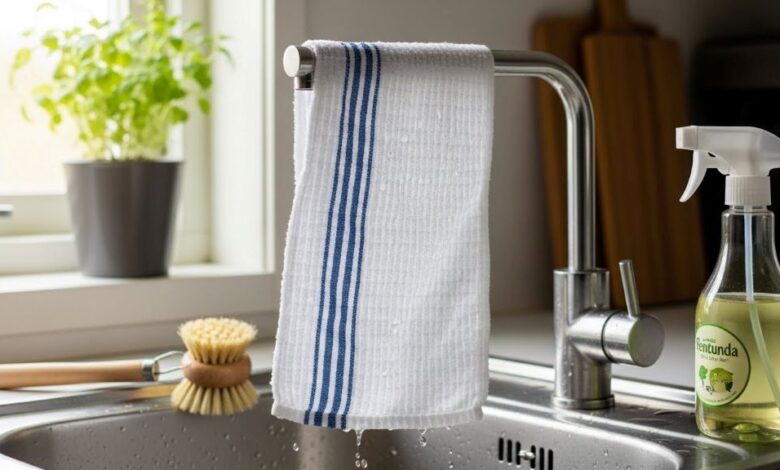
Swedish dishcloths have become a popular eco-friendly alternative to traditional sponges and paper towels in kitchens worldwide. These reusable cleaning tools, made from natural cellulose and cotton, can absorb up to 20 times their weight in liquid. At Eco Friendly Party, we understand the importance of maintaining sustainable kitchen tools to maximize their lifespan and effectiveness. However, one common challenge users face is dealing with stubborn grease buildup that accumulates in the cloth fibers over time.
Grease buildup can make your Swedish dishcloth feel slimy, smell unpleasant, and lose its absorbency. When oils from cooking and food preparation penetrate deep into the fibers, they create a barrier that prevents the cloth from working properly. Fortunately, removing this greasy residue is simpler than you might think. Understanding how to clean Swedish dishcloths effectively will help you maintain their performance and extend their usable life to several months or even a year.
Understanding Why Grease Sticks to Swedish Dishcloths
Swedish dishcloths are designed to be highly absorbent, which makes them excellent for cleaning spills and wiping surfaces. However, this same absorbency means they readily soak up oils and fats from dishes, countertops, and cookware. The porous structure of the cellulose and cotton blend creates tiny spaces where grease molecules can lodge themselves. Over time, these oils oxidize and harden, making them more difficult to remove with ordinary rinsing.
Additionally, grease has hydrophobic properties, meaning it repels water. This characteristic explains why simply running your dishcloth under the tap won’t eliminate the oily residue. Instead, you need cleaning methods that can break down the molecular bonds of grease and lift it away from the fibers.
Daily Maintenance to Prevent Heavy Grease Accumulation
Prevention is always easier than cure. After each use, rinse your Swedish dishcloth thoroughly under hot running water. Hot water helps dissolve some of the lighter grease particles before they have a chance to settle deep into the fibers. Squeeze the cloth several times during rinsing to push water through the material and flush out debris.
For daily cleaning, you can also run your dishcloth through the dishwasher with your regular load. Place it on the top rack to avoid excessive heat exposure. The combination of hot water and dishwashing detergent will help remove surface grease and sanitize the cloth. This simple habit can significantly reduce the frequency of deep cleaning needed.
The Hot Water and Dish Soap Method
When you notice your Swedish dishcloth starting to feel greasy, the first line of defense is dish soap and hot water. Fill your sink with the hottest water you can safely handle. Add a generous squirt of grease-cutting dish soap, preferably one designed to tackle tough oils. According to Good Housekeeping, certain dish soaps are specifically formulated with surfactants that break down grease molecules effectively.
Submerge your dishcloth completely in the soapy water and let it soak for 10 to 15 minutes. This soaking period allows the soap to penetrate the fibers and begin breaking down the grease. After soaking, work the soap through the cloth by squeezing and kneading it repeatedly. Pay special attention to any areas that feel particularly oily or discolored.
Rinse the cloth thoroughly under hot running water until all soap residue is gone and the water runs clear. Squeeze out excess water and allow the cloth to air dry completely. You should notice improved absorbency and a fresher smell.
The Boiling Water Treatment
For more stubborn grease buildup, boiling is highly effective. Fill a pot with enough water to fully submerge your Swedish dishcloth. Bring the water to a rolling boil on your stovetop. Carefully place the cloth into the boiling water using tongs to avoid burns.
Let the cloth boil for 5 to 10 minutes. The high temperature will melt away grease deposits and kill bacteria. You can add a tablespoon of dish soap or a quarter cup of white vinegar to the boiling water for extra cleaning power. The combination of heat and cleaning agents creates an environment where grease cannot remain bonded to the fibers.
After boiling, carefully remove the cloth with tongs and rinse it under cold water to cool it down. Wring out excess moisture and hang it to dry. This method not only removes grease but also sanitizes your dishcloth completely.
Using Baking Soda as a Natural Degreaser
Baking soda is a gentle abrasive and natural degreaser that works wonders on Swedish dishcloths. Create a paste by mixing three tablespoons of baking soda with one tablespoon of water. Apply this paste directly to the greasy areas of your dishcloth, working it into the fibers with your fingers.
Let the baking soda paste sit on the cloth for 15 to 20 minutes. During this time, the alkaline properties of baking soda will break down acidic grease molecules. After the waiting period, rinse the cloth under hot water while continuing to massage the fabric. The mild abrasiveness of the baking soda will help scrub away loosened grease particles.
For heavily soiled cloths, you can combine baking soda with white vinegar for a fizzing action that lifts grease. Sprinkle baking soda over the wet cloth, then spray or pour white vinegar over it. The resulting reaction will help dislodge embedded oils.

The Microwave Sanitizing Method
Microwaving your Swedish dishcloth serves a dual purpose. It sanitizes the fabric and helps loosen grease through steam heat. First, thoroughly wet your dishcloth with water. You can add a few drops of dish soap to the cloth before microwaving for enhanced grease-cutting action.
Place the damp cloth on a microwave-safe plate and heat it on high for one to two minutes. The water will create steam that penetrates the fibers, softening grease deposits. Be extremely careful when removing the cloth from the microwave, as it will be very hot. Let it cool for a minute before handling.
After microwaving, rinse the cloth under hot water while squeezing it repeatedly. This method is particularly useful for quick sanitization between deep cleaning sessions.
Washing Machine Deep Cleaning
Your washing machine can be an excellent tool for removing grease buildup from Swedish dishcloths. Place your cloths in a mesh laundry bag to protect them during the wash cycle. Use hot water and add your regular laundry detergent along with half a cup of white vinegar. The vinegar acts as a natural degreaser and deodorizer.
Avoid using fabric softener, as it can coat the fibers and reduce absorbency. Instead, add a quarter cup of baking soda to the wash cycle for extra cleaning power. Run the cloths through a complete cycle, then air dry them rather than using a dryer. High dryer heat can damage the cellulose fibers over time.
Preventing Future Grease Buildup
Once you have successfully removed grease from your Swedish dishcloths, implement strategies to minimize future accumulation. Designate separate cloths for different tasks. Use one exclusively for wiping greasy dishes and another for general counter cleaning. This separation prevents cross-contamination and makes maintenance easier.
Always wring out your dishcloth thoroughly after each use and hang it in a well-ventilated area to dry. A damp cloth left bunched up creates an environment where bacteria thrive and grease becomes more difficult to remove. Consider rotating between two or three cloths so each one has adequate drying time between uses.
When to Replace Your Swedish Dishcloth
Even with proper care, Swedish dishcloths eventually reach the end of their useful life. Typically, these cloths last between six months to a year with regular use and maintenance. Signs that it’s time to replace your cloth include persistent odors that don’t go away after cleaning, visible tears or holes, permanent staining, or loss of absorbency that doesn’t improve after deep cleaning.
The good news is that Swedish dishcloths are biodegradable and compostable. When your cloth has served its purpose, you can add it to your compost bin where it will break down naturally, completing the eco-friendly cycle.
Conclusion
Removing grease buildup from Swedish dishcloth fibers doesn’t require expensive products or complicated procedures. By using simple household items like dish soap, baking soda, white vinegar, and hot water, you can restore your cloths to their original absorbency and freshness. Regular maintenance through daily rinsing and weekly deep cleaning will extend the life of your Swedish dishcloths significantly. Remember that prevention is key, so establish good habits like thorough rinsing after each use and proper drying. With these practical techniques, you can enjoy the environmental and economic benefits of Swedish dishcloths while keeping them clean, fresh, and effective for months to come.
Frequently Asked Questions
How often should I deep clean my Swedish dishcloth?
You should deep clean your Swedish dishcloth at least once a week if you use it daily. However, if you notice grease buildup, unpleasant odors, or reduced absorbency sooner, clean it immediately. Homes with heavy cooking may require more frequent deep cleaning sessions.
Can I use bleach to clean Swedish dishcloths?
While bleach can sanitize Swedish dishcloths, it’s not recommended for regular use. Bleach can break down the cellulose fibers over time, shortening the cloth’s lifespan. Additionally, bleach is harsh on the environment. Stick to natural alternatives like vinegar and baking soda for routine cleaning.
Why does my Swedish dishcloth smell bad even after washing?
Persistent odors usually indicate bacterial growth or deeply embedded grease that hasn’t been fully removed. Try boiling the cloth for 10 minutes or microwaving it while damp for two minutes. These heat-based methods kill bacteria and release trapped oils more effectively than standard washing.
Is it safe to put Swedish dishcloths in the dishwasher every day?
Yes, running your Swedish dishcloth through the dishwasher daily is safe and effective for maintenance cleaning. Place it on the top rack away from the heating element. This practice helps prevent grease accumulation and keeps the cloth sanitized between deep cleaning sessions.
Can I use essential oils to freshen my Swedish dishcloth?
While essential oils can provide a pleasant scent, they contain oils that may contribute to grease buildup. Instead, use lemon juice or white vinegar for natural freshening that also helps cut grease. If you prefer scent, add a few drops of essential oil only after thoroughly cleaning and rinsing the cloth.
Related Topics:
How to Replace Showerhead in Rental Home: A Tenant’s Complete Guide
Composite Decking Lifespan in Humid Climates: What You Need to Know