

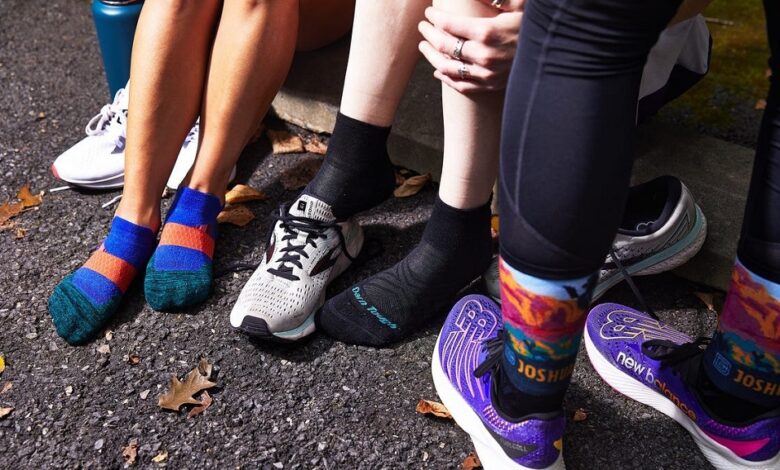
Socks are one of the most underrated elements of our wardrobe. While they may seem like a minor detail, wearing the wrong sock size can lead to discomfort, blisters, and even long-term foot problems. Whether you’re an athlete, a professional, or someone who values everyday comfort, finding the right sock size is essential. In this guide, we’ll break down everything you need to know about choosing the right sock size for maximum comfort, ensuring your feet stay happy and healthy throughout the day.
Before we dive in, if you’re interested in learning more about foot health and the importance of properly fitting garments, explore Bra Day USA for insights into comfort, fit, and overall well-being.
Why Sock Size Matters
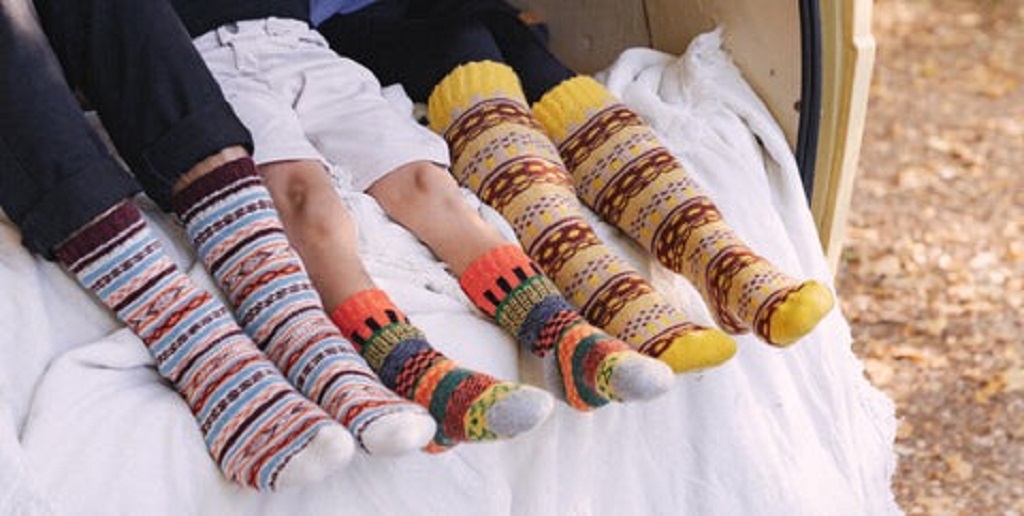
Many people assume that sock size is a one-size-fits-all concept. However, socks that are too tight can restrict blood flow, causing discomfort and swelling, while socks that are too loose can bunch up inside shoes, leading to blisters. According to the American Podiatric Medical Association, wearing improperly sized socks can increase the risk of foot pain, bunions, and even nail problems.
The right sock size improves circulation, reduces foot fatigue, and enhances overall comfort. Additionally, well-fitted socks can extend the lifespan of your shoes by preventing unnecessary friction and wear.
Understanding Sock Sizing
Unlike shoes, which have well-defined sizes, sock sizes can be confusing because they are often labeled in general ranges (e.g., small, medium, large) rather than exact numbers. Here’s how to decode sock sizing:
1. Sock Size vs. Shoe Size
Most socks are labeled with a size range that corresponds to shoe sizes. Here’s a general guideline:
- Men’s Socks:
- Small: Fits shoe sizes 5-7
- Medium: Fits shoe sizes 7-9
- Large: Fits shoe sizes 9-12
- Extra Large: Fits shoe sizes 12-15
- Women’s Socks:
- Small: Fits shoe sizes 4-6
- Medium: Fits shoe sizes 6-9
- Large: Fits shoe sizes 9-12
It’s important to check the brand’s specific size chart, as sizes may vary slightly depending on the manufacturer.
2. Sock Length and Fit
Sock length also plays a crucial role in comfort and usability. Common sock lengths include:
- No-show socks: Ideal for low-cut shoes, but they must fit snugly to avoid slipping inside the shoe.
- Ankle socks: Great for casual wear and light exercise.
- Crew socks: Perfect for daily wear, offering coverage up to the mid-calf.
- Over-the-calf socks: Often used for dress shoes or athletic activities requiring extra support.
For those wondering what socks to wear with loafers, crew-length and no-show socks are the best choices, depending on the occasion. If you want a complete guide, check out https://bradayusa.com/the-art-of-pairing-socks-with-loafers-a-comprehensive-guide/.
How to Measure Your Foot for the Perfect Sock Size
To get the best fit, you need to measure your foot correctly. Follow these steps:
- Measure Your Foot Length: Place your foot on a piece of paper and trace around it. Measure from the heel to the longest toe.
- Check Your Arch and Width: If you have wider feet, consider socks with extra stretch or a wider design.
- Look at Sock Fabric Stretch: Some socks, such as those made from cotton-spandex blends, have more flexibility than others.
Read More Also: Photography Presets for Natural Light Portrait Photography: Elevate Your Shots with Stunning Tones and Effects
Choosing the Right Material for Comfort
Sock material affects both fit and comfort. Here are some of the best materials based on different needs:
- Cotton: Soft and breathable, but can retain moisture.
- Wool: Great for warmth and moisture-wicking. Ideal for cold weather.
- Bamboo: Hypoallergenic and eco-friendly with natural odor resistance.
- Synthetic Blends: Often include polyester, nylon, or spandex for durability and elasticity.
Athletes and active individuals should opt for moisture-wicking fabrics to keep their feet dry and prevent blisters.
Common Sock Sizing Mistakes to Avoid
Even when you know your size, common mistakes can still lead to discomfort. Avoid these errors:
- Choosing socks based only on shoe size: Socks stretch over time, so consider the elasticity and material.
- Ignoring width and arch shape: If you have high arches or wide feet, go for socks with extra stretch.
- Not checking shrinkage factors: Cotton socks tend to shrink after washing. Look for pre-shrunk materials or buy slightly larger sizes.
Read More Also: Blueberry Infused Water Benefits and Recipe: A Delicious Way to Stay Hydrated
How to Ensure Maximum Comfort All Day Long
To get the most out of your socks, follow these comfort-enhancing tips:
- Rotate Your Socks: Wearing the same pair too frequently can stretch them out and reduce support.
- Choose the Right Thickness: Thin socks are great for dress shoes, while thicker ones offer more cushioning for casual or athletic wear.
- Seamless Socks for Sensitive Feet: If you suffer from blisters or irritation, seamless socks reduce friction.
FAQs
1. What happens if I wear the wrong sock size?
Wearing the wrong sock size can lead to blisters, foot pain, and even circulation issues. Too-tight socks may cut off blood flow, while oversized socks can cause bunching and discomfort.
2. Should socks be tight or loose?
Socks should be snug but not tight. A proper fit ensures comfort without restricting circulation or causing indentations on your skin.
3. How do I know if my socks are too small?
If your socks leave deep marks on your skin, feel restrictive, or consistently slide down, they may be too small. Consider going up a size or choosing a stretchier fabric.
4. Do socks shrink after washing?
Yes, socks made from natural fibers like cotton and wool can shrink after washing. To prevent this, wash in cold water and avoid high-heat drying.
5. Can I wear the same size socks for different types of shoes?
Not always. Athletic shoes often require thicker socks, while dress shoes fit best with thinner or dress-specific socks. Always choose socks based on the shoe type and activity.
Conclusion
Choosing the right sock size is more important than most people realize. From improving circulation to preventing blisters and discomfort, the right fit can make all the difference. By understanding sock sizing, considering material choices, and avoiding common mistakes, you can ensure that your feet remain comfortable throughout the day.