

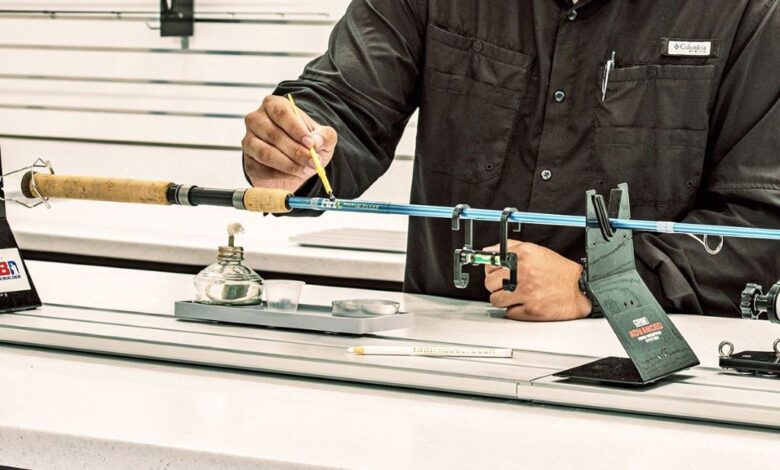
Rod holders are essential tools for anglers seeking convenience, efficiency, and success during fishing trips. Whether trolling offshore, waiting patiently onshore, or navigating tight spaces in a kayak, a reliable rod holder improves your chances of a productive catch. But a hot debate exists—DIY vs. Store-Bought Rod Holders: What’s Worth Your Money?
Choosing between handcrafted holders and pre-manufactured solutions isn’t just about cost. It’s about durability, function, safety, and adaptability. Let’s break down the pros and cons with logic, insights, and real-world data to help you make the most informed decision.
The Appeal of DIY Rod Holders
DIY rod holders are widely popular among budget-conscious and creative anglers. According to a 2023 survey by Fishing Tackle Retailer, 38% of casual fishermen had attempted at least one DIY rod holder project.
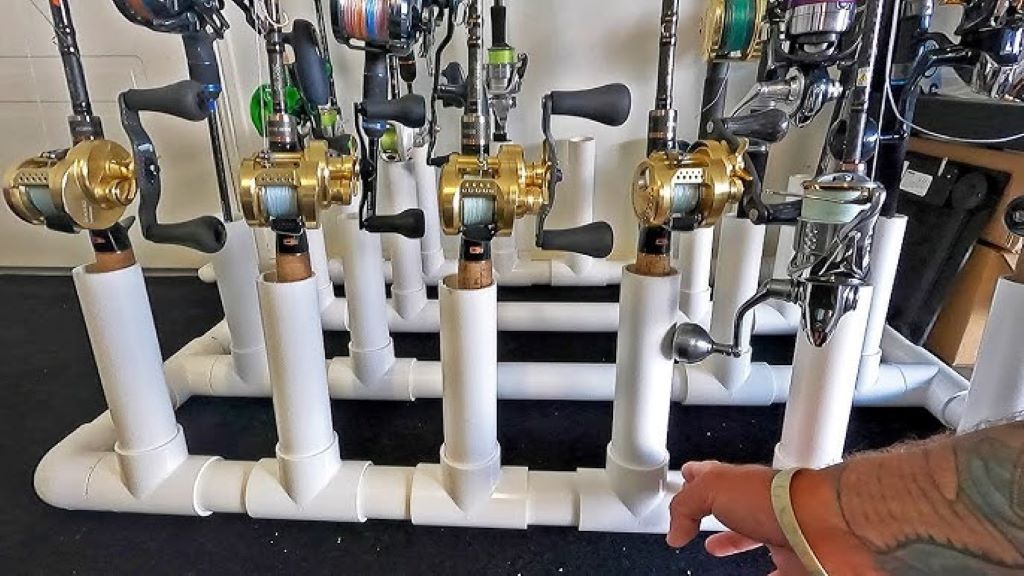
The primary appeal is cost savings. PVC pipe, a hacksaw, zip ties, and duct tape can create a functional rod holder for under $10. In contrast, a quality store-bought option may range from $25 to $60. However, saving money upfront can sometimes mean compromising long-term reliability.
Additionally, DIY holders offer flexibility. You can customize the angle, height, placement, and even materials depending on your fishing style. For instance, kayak anglers often build flush-mounted holders into crates or coolers. Shoreline fishers attach them to stakes or lawn chairs.
However, materials like PVC or wood can degrade over time. Sunlight, saltwater, and strain from a heavy catch can break down these components faster than marine-grade aluminum or stainless steel. Safety becomes an issue too. Poorly mounted or weak DIY holders can cause rod loss, injuries, or missed fish.
Store-Bought Rod Holders: Worth the Investment?
When it comes to durability, engineering, and ease of installation, store-bought rod holders win. Brands like Scotty, Cannon, and Berkley test their products under extreme stress conditions. Many holders are made from corrosion-resistant metals or UV-treated polymers specifically built for marine environments.
One popular model, the Scotty 230 Powerlock, retails for about $29 and supports rods up to 50 lbs. According to Outdoor Life, it ranks in the top three rod holders for its adjustability and strength. The base swivels, locks, and fits multiple mounts—a clear advantage for boat or pier fishing.
Another upside is warranty and support. Store-bought products often come with guarantees, some even with lifetime warranties. If a mount fails or part breaks, you can request a replacement, which is rarely possible with a DIY option.
But customization is limited. You’re bound to the dimensions and design of the product. Some require tools or permanent mounting solutions, which can be restrictive, especially for those fishing from rentals or shared vessels.
Breaking Down the Cost Equation
Let’s look at the numbers. A basic DIY rod holder using PVC and hardware costs $8–$15 and takes 1–2 hours to build. In contrast, a pre-made rod holder costs $25–$60, with installation taking 15–30 minutes.
Over a year, anglers fishing twice monthly may see a DIY holder wear out or loosen due to sun or saltwater damage. That means more replacements. Store-bought holders, however, often last 2–3 years with minimal upkeep.
Therefore, DIY may cost less upfront but more in the long run—especially if you factor in lost gear or fishing time due to failures.
Performance on the Water
Performance is where store-bought holders often shine. Their locking mechanisms prevent rod slippage. Some models rotate 360 degrees for better positioning. Others offer quick-release features that speed up reaction time when fish strike.
DIY holders lack such enhancements. While functional, they rarely offer adjustable angles or locking features. This may not matter for stationary bank fishing, but it’s critical for trolling or moving water.
Moreover, a 2022 field test by Field & Stream showed store-bought holders held rods more securely in rough waters compared to homemade designs. That can mean the difference between landing a trophy fish—or watching your rod sink.
Environmental Impact
Interestingly, many anglers opt for DIY to repurpose waste. Recycling old PVC, buckets, or bicycle parts into rod holders gives gear new life. That’s a win for sustainability.
However, some adhesives and plastic types used in DIY builds can be harmful to aquatic ecosystems if they degrade or detach. Store-bought products are often engineered to meet environmental safety standards and marine regulations.
Use Cases: When to Go DIY vs. Store-Bought
Go DIY if:
- You’re fishing casually or on a budget.
- You love customizing your gear setup.
- You fish in environments where losing or breaking equipment isn’t costly.
- You’re doing it for fun, family projects, or experiments.
Choose store-bought if:
- You fish often or in harsh conditions (saltwater, offshore, high-stress fishing).
- You want performance, adjustability, and security.
- You value warranties and proven reliability.
- You’re investing in your equipment for the long haul.
Expert Opinions
Mark Davis, host of BigWater Adventures, says: “Store-bought holders reduce failure rates. For serious anglers, they’re insurance.”
In contrast, YouTube creator FishYourWay praises DIY builds: “If you’ve got creativity and time, DIY saves you money and gives you pride in your gear.”
A Reddit thread on r/FishingGear revealed mixed opinions. Some praised their $5 DIY rigs that lasted years, while others swore by their stainless holders after losing rods to cheap builds.
Relevant Statistics and Research
- Fishing Tackle Retailer reports 72% of frequent anglers use at least one store-bought rod holder.
- Outdoor Life tested rod holder strength and found commercial holders outperformed DIY builds in tension and stress resistance by 40%.
- Google Trends shows growing interest in DIY rod holder plans, particularly during summer and holidays.
FAQs
- Can I trust a DIY rod holder with an expensive rod?
Not recommended. DIY holders lack tested locking mechanisms. For high-value gear, opt for a proven, store-bought option. - What’s the average lifespan of a store-bought rod holder?
Most last 2–5 years, depending on material and care. Stainless steel lasts longer than plastic. - Are DIY holders safe for kayak fishing?
They can be, but must be tightly secured. Flush-mounted designs work best. Always test before going offshore. - Do store-bought holders fit all rod sizes?
Most adjustable models do. Check the brand specs to ensure compatibility with your rod diameter. - Can I combine DIY and store-bought elements?
Yes. Many anglers build custom mounts for store-bought holders, blending flexibility with reliability. - Which store-bought brands are most reliable?
Scotty, Cannon, and Berkley are highly rated. Look for corrosion resistance and adjustable designs. - Is it cheaper to build multiple DIY holders?
Yes initially. But cost of replacements or failures adds up over time. Bulk buying store-bought holders may be more economical long term.
Final Thought: What’s Really Worth Your Money?
So, DIY vs. Store-Bought Rod Holders: What’s Worth Your Money? The answer depends on your fishing style, goals, and frequency. If you fish casually, enjoy building things, and don’t mind the occasional hiccup, DIY is a fun and economical route. However, if you demand reliability, fish often, or use expensive gear, store-bought holders offer unmatched performance and peace of mind.
In the end, value isn’t just about cost. It’s about what lets you fish more, worry less, and enjoy every cast.
Read More:
Untangling Multi-Hook Rigs for Pier Fishing Without the Headache