
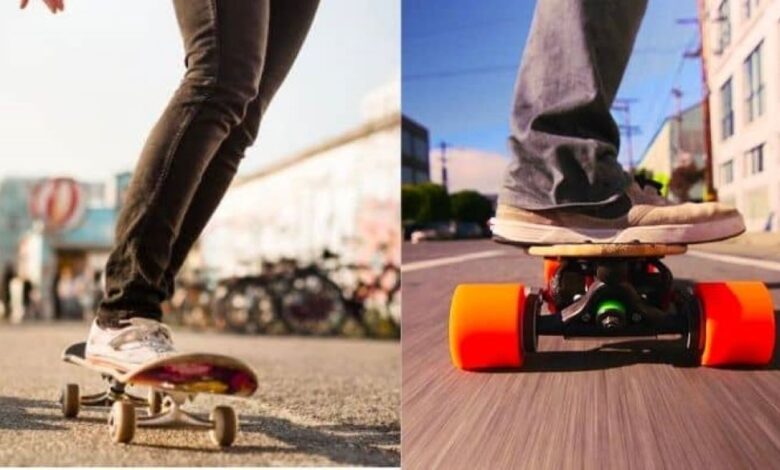
In the sun-soaked streets of California, skateboarding is more than a sport—it’s a lifestyle. For conscious skaters, eco-friendly skateboards are the new wave, blending style with sustainability. These boards, crafted from renewable materials like bamboo, reduce environmental harm while delivering top performance. Imagine cruising Venice Beach, knowing your ride supports the planet. This blog post tells the story of how California’s skaters are embracing green gear, weaving personal experiences with practical insights. From sustainable brands to upcycling tips, we’ll explore why eco-friendly skateboards are a must-have. Join the movement for a greener ride and learn how to skate with purpose.
The Rise of Eco-Conscious Skateboarding in California
Skateboarding in California began in the 1950s, when surfers crafted boards to mimic waves on land. Today, the state’s skaters are leading a green revolution. Eco-friendly skateboards, made from sustainable materials, are gaining traction among conscious skaters. According to a 2024 report by Grand View Research, the global skateboard market is projected to reach $2.6 billion by 2027, with sustainable products driving growth. Brands like Arbor and Bamboo Skateboards are at the forefront, using renewable resources to cut deforestation.
The shift isn’t just about materials. Skaters are rethinking their impact, from production to disposal. California’s coastal culture, tied to environmental awareness, fuels this change. Local skate shops now stock eco-friendly boards, reflecting demand. For conscious skaters, choosing green gear aligns with values of freedom and rebellion against waste. This movement is transforming skate culture, one ride at a time.
Why Eco-Friendly Skateboards Matter
Traditional skateboards rely on maple wood, which contributes to deforestation. Producing 100,000 decks monthly strains forests, as noted by Forbes in 2019. Eco-friendly skateboards, however, use bamboo or recycled materials, offering a sustainable alternative. Bamboo grows in just five years, compared to maple’s 30–80 years, making it a renewable choice. These boards maintain durability and flexibility, perfect for tricks or cruising.
Beyond materials, eco-friendly skateboards reduce waste. Companies like Bureo recycle fishing nets into decks, preventing ocean pollution. For California’s conscious skaters, this matters deeply. The state’s beaches and parks are skating hubs, and protecting them feels personal. Choosing green boards supports brands that prioritize the planet, encouraging wider industry change. It’s a small step with a big impact, letting skaters ride guilt-free.
A Personal Connection to Green Skating
Growing up in San Diego, I spent summers skating along the boardwalk. My first board was a cheap maple deck that snapped after a few months. Frustrated, I discovered Bamboo Skateboards at a local shop. The lightweight, sturdy deck felt alive under my feet, and knowing it was eco-friendly made every ollie sweeter. That board lasted years, teaching me the value of sustainable gear. Now, as a conscious skater, I choose brands that respect the environment, hoping to preserve California’s skate spots for future generations.
Top Eco-Friendly Skateboard Brands in California
California is home to innovative brands crafting eco-friendly skateboards. Arbor, founded in 1995, uses sustainable bamboo and maple, donating proceeds to forest preservation. Their decks are durable, stylish, and perfect for conscious skaters. Bureo, based in Ventura, transforms discarded fishing nets into vibrant cruisers, reducing ocean waste. Each board tells a story of environmental care.
Bamboo Skateboards, another local gem, prioritizes renewable materials. Their decks are lighter than maple, ideal for agile rides. According to Skateboard Trends (2024), brands like these are boosting demand for green gear, with 66% of U.S. skaters preferring sustainable products. These companies prove eco-friendly skateboards can rival traditional ones in performance. Supporting them means backing a greener future while shredding in style.
Features to Look for in Green Boards
When choosing eco-friendly skateboards, focus on materials and craftsmanship. Look for:
- Bamboo or Recycled Decks: Ensure they’re Forest Stewardship Council (FSC)-certified.
- Water-Based Glues: These reduce toxic emissions compared to solvent-based options.
- Recyclable Packaging: Brands like Globe use minimal, eco-friendly packaging.
- Durable Wheels: Soybean-based or recycled polyurethane wheels last longer, cutting waste.
These features enhance performance while minimizing harm. For instance, bamboo decks offer flexibility for tricks, while recycled wheels grip well on California’s varied terrain. Conscious skaters should also check for transparency—reputable brands share their sourcing practices openly.
Sustainable Practices for Skaters
Eco-friendly skateboarding extends beyond the board. Conscious skaters can adopt habits to reduce their footprint. Maintaining gear is key—regularly clean bearings and oil wheels to extend their life. Repurposing old decks into shelves or art keeps them out of landfills. Online communities, like those on Reddit, share creative upcycling ideas, from coat hooks to guitar pedalboards.
Skating itself is a green transport mode. In California, many use boards to commute, cutting carbon emissions. A 2020 study by Sustainability Times found skateboarding produces zero emissions, unlike cars. Joining local eco-conscious skate groups fosters community and spreads awareness. Share tips on social media or host clean-up events at skateparks. These actions amplify the impact of choosing eco-friendly skateboards, creating a ripple effect.
Challenges in Adopting Eco-Friendly Skateboards
Despite their benefits, eco-friendly skateboards face hurdles. Higher costs can deter beginners, as sustainable materials like bamboo are pricier than maple. A 2025 ClimeCo report noted that eco-conscious brands often charge 10–20% more. Performance concerns also linger—some skaters worry green boards lack the pop of traditional ones. However, brands like Loaded Boards prove bamboo matches maple’s strength.
Availability is another issue. While California’s skate shops stock green gear, smaller towns may not. Online shopping helps, but shipping adds emissions. Conscious skaters can counter this by supporting local brands or buying in bulk. Education is crucial—many don’t know eco-friendly options exist. Spreading the word through blogs or events can bridge this gap, encouraging wider adoption.
The Future of Sustainable Skateboarding
The future of eco-friendly skateboards looks bright. Innovations like biodegradable hemp grip tape and closed-loop manufacturing are emerging. Companies like Wasteboards craft decks from bottle caps, showcasing creativity. A 2024 Ska8 article predicts biodegradable materials will dominate by 2030, reducing landfill waste. California’s conscious skaters are driving this shift, demanding greener products.
Community efforts are growing too. Skateparks are incorporating sustainable designs, like solar-powered lighting. Local events, like eco-friendly skate competitions, inspire change. Skaters can push for more by supporting ethical brands and sharing their journeys online. The rebellious spirit of skateboarding now challenges environmental norms, proving style and sustainability can coexist. With every ride, California’s skaters are shaping a greener industry. Discover How to Realign Misaligned Skateboard Trucks After a Fall.
How to Start Your Eco-Friendly Skate Journey
Ready to go green? Start by researching eco-friendly skateboards from brands like Arbor or Bureo. Visit local skate shops to test decks and ask about sustainable options. Budget-conscious skaters can buy used green boards from platforms like CCS. Join eco-conscious skate groups on social media for tips and events.
Next, adopt sustainable habits. Maintain your board to avoid frequent replacements. Upcycle old gear into functional items. Share your journey on Instagram or Reddit to inspire others. Finally, skate for transport—it’s fun, free, and eco-friendly. Every choice counts, so start small and ride with purpose. California’s conscious skaters are paving the way—join them today.
Conclusion
Eco-friendly skateboards are more than a trend—they’re a movement for California’s conscious skaters. By choosing sustainable boards, skaters protect the planet while enjoying the ride. From bamboo decks to recycled wheels, these products blend performance with purpose. The journey isn’t without challenges, but the rewards are worth it. California’s beaches and skateparks thrive when skaters prioritize sustainability. So, grab a green board, hit the streets, and join the revolution. Share your eco-friendly skate story in the comments or spread this post to inspire others. Together, conscious skaters can make every kickflip count for the environment.
FAQs
Why are eco-friendly skateboards better for the environment?
Eco-friendly skateboards use sustainable materials like bamboo, reducing deforestation and waste. They often incorporate recyclable components, minimizing landfill impact.
Are eco-friendly skateboards as durable as traditional ones?
Yes, brands like Bamboo Skateboards craft decks that match maple’s strength. Bamboo’s flexibility ensures they withstand tricks and daily use.
Where can I buy eco-friendly skateboards in California?
Local skate shops and online retailers offer eco-friendly boards. Brands like Arbor and Bureo sell directly online.
How can I make my skateboarding more sustainable?
Maintain your board, upcycle old decks, and skate for transport. Support brands using sustainable materials and join eco-conscious skate communities.
Are eco-friendly skateboards more expensive?
They can cost 10–20% more due to sustainable materials, but their durability often makes them cost-effective over time.