
Skateboarding puts incredible stress on your footwear. Every trick, every landing, and every push wears down your shoes faster than almost any other activity. For skaters, finding shoes that can withstand constant abuse while maintaining performance becomes a priority. Suede has long been the material of choice for serious skateboarders, but not all suede shoes are created equal.
The constant friction between your shoes and grip tape destroys ordinary footwear in weeks. Therefore, understanding what makes certain suede skate shoes more durable than others can save you money and frustration. This guide will help you identify the features and construction methods that separate shoes built to last from those that fall apart quickly.
Choosing the right pair involves more than just picking your favorite brand or color. You need to understand materials, construction techniques, and design features that contribute to longevity. By the end of this article, you’ll know exactly what to look for when investing in your next pair of skate shoes.
Understanding Why Suede Works for Skateboarding
Suede has dominated skateboarding footwear for decades, and there are solid reasons why. This material offers a unique combination of durability, flexibility, and board feel that synthetic alternatives struggle to match. Understanding these properties helps you appreciate what makes quality suede shoes worth the investment.
The texture of suede provides excellent grip on grip tape without being so sticky that it restricts foot movement. This balance allows you to feel connected to your board while maintaining the ability to adjust your foot position quickly. Canvas and synthetic leather simply don’t offer the same tactile feedback.
Additionally, suede breathes better than many alternatives. Your feet stay cooler during long skate sessions, reducing moisture buildup that can lead to blisters and discomfort. This breathability also helps the material dry faster when it gets wet, preventing the breakdown that occurs when shoes stay damp.
However, not all suede is equally durable. The thickness, quality, and treatment of the suede dramatically affect how long your shoes will last. Premium suede uses thicker hides and tighter nap, creating a more resilient surface that stands up to grip tape longer.
The Importance of Reinforced Toe Skate Shoes
The toe area takes more punishment than any other part of a skate shoe. Every kickflip, every heelflip, and countless other tricks involve dragging your toe across abrasive grip tape. Standard suede in this area wears through remarkably quickly, sometimes in just a few sessions for aggressive skaters.
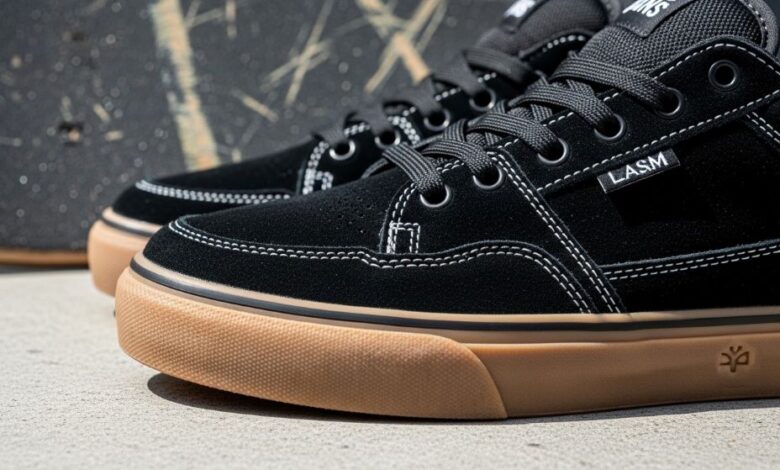
Reinforced toe skate shoes address this vulnerability through several methods. Some manufacturers use double or triple layers of suede specifically in high-wear areas. This multi-layer construction provides backup protection, so when the outer layer wears through, there’s still material underneath to protect your feet.
Other brands incorporate specialized materials in the toe area that offer enhanced durability. These might include treated suede that’s been processed to increase density, or hybrid materials that combine suede with more resistant substances. The goal remains the same: extending the life of your shoes where they need it most.
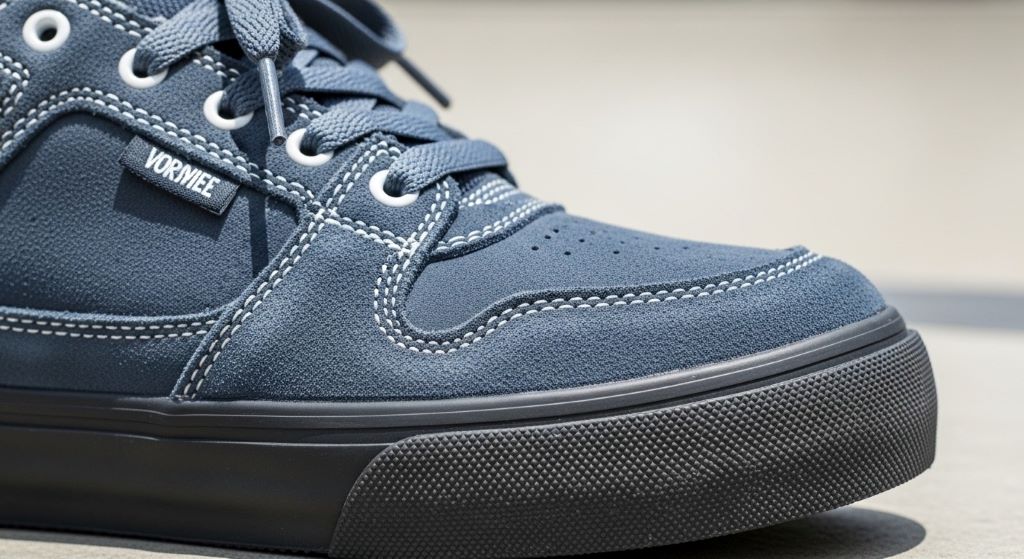
The quality of stitching in the toe area also matters significantly. Reinforced stitching patterns distribute stress across a wider area, preventing seam failures that often occur before the material itself wears through. Look for shoes with tight, even stitching and multiple rows in critical areas.
Some designs feature toe caps or overlays made from extra-durable materials. These protective layers sit on top of the standard suede, taking the brunt of the abuse. When done well, these additions extend shoe life dramatically without significantly affecting board feel.
Features of Abrasion Resistant Shoes
Beyond toe reinforcement, several features contribute to overall durability in skate shoes. Abrasion resistant shoes incorporate multiple design elements that work together to withstand the unique demands of skateboarding. Understanding these features helps you evaluate different models effectively.
Premium suede selection forms the foundation. Thicker suede naturally lasts longer, but thickness alone isn’t enough. The density and quality of the hide matter equally. High-quality suede maintains its structure even as the surface wears, while cheaper suede becomes thin and papery quickly.
Protective treatments applied during manufacturing can significantly enhance durability. Water-resistant coatings help prevent moisture damage, while special finishes can increase the material’s resistance to abrasion. These treatments should enhance durability without compromising breathability or flexibility.
Strategic paneling reduces the number of seams in high-wear areas. Every seam represents a potential failure point. Therefore, designs that minimize seams or place them away from the most stressed areas tend to last longer. When seams are necessary in critical zones, they should be reinforced with additional stitching or backing.
Foxing tape, the rubber strip that wraps around the base of many skate shoes, provides another layer of protection. Higher foxing that extends further up the shoe protects more of the suede from direct contact with grip tape. Some designs include textured or reinforced foxing specifically engineered to withstand skateboarding abuse.
Sole Construction and Durability
While suede protection gets most of the attention, sole durability equally affects how long your shoes last. A shoe with perfect uppers but a worn-out sole is just as useless as one with holes in the suede. Understanding sole construction helps you choose shoes that remain functional longer.
Rubber compound formulation varies significantly between brands and models. Softer rubber provides better grip but wears faster. Harder rubber lasts longer but may sacrifice some board feel. The best skate shoes strike a balance, using compounds engineered specifically for the demands of skateboarding.
Sole thickness in key areas extends the life of your shoes. The ball of the foot sees constant friction during pushing and general skating. Shoes with thicker rubber in this area last longer before you wear through to the insole. However, excessive thickness can reduce board feel, so manufacturers must balance durability with performance.
Tread pattern affects both grip and longevity. Deep, aggressive treads provide excellent traction but may wear down faster in certain patterns. Flatter, more subtle patterns often last longer while still providing adequate grip. Consider your skating style when evaluating tread designs.
Cup sole construction generally offers superior durability compared to vulcanized soles. The thicker rubber and stronger bonding methods resist wear and separation better. However, vulcanized soles often provide better board feel. This trade-off means there’s no universally best choice, just the right choice for your preferences and skating style.
Evaluating Construction Quality
Even shoes with all the right features will fail prematurely if they’re poorly constructed. Learning to identify quality construction helps you avoid shoes that look good but fall apart quickly. Several telltale signs indicate whether a shoe is built to last.
Examine the stitching carefully. Quality shoes have tight, even stitching with consistent spacing. Loose threads, skipped stitches, or uneven patterns indicate poor quality control. Pay special attention to high-stress areas like the toe box and where the upper meets the sole.
Check how panels are joined together. Well-constructed shoes use overlapping panels with the sturdier material on top in wear areas. The edges should be clean and securely attached. Gaps or lifting edges suggest the adhesive or stitching won’t hold up to skateboarding stress.
Inspect the insole and interior construction. Quality shoes have well-attached insoles that won’t shift or bunch up during skating. The interior seams should be flat or covered to prevent irritation and premature breakdown from moisture and friction.
Flex the shoe and observe how it responds. Quality construction maintains its shape and returns to normal without creasing excessively. If the materials seem to fight against each other or the shoe feels stiff and unyielding, it may not perform well or last long.
Press on the heel counter, the firm part at the back of the shoe. It should feel solid and supportive without being overly rigid. A heel counter that collapses easily or feels flimsy won’t provide adequate support and will break down quickly.
Breaking In Your Suede Skate Shoes
Proper break-in procedures can significantly extend the life of your shoes while making them more comfortable. New skate shoes, especially those with enhanced durability features, often feel stiff initially. However, rushing the break-in process can damage the shoes before they’ve properly molded to your feet.
Start by wearing your new shoes around the house or for casual activities before skating in them. This allows the materials to begin conforming to your feet without the extreme stress of skateboarding. Spend several days in this phase, gradually increasing wear time.
When you first skate in new shoes, start with easier sessions. Practice basic tricks and cruising before attempting your most technical moves. This gradual introduction allows the materials to flex and adapt without being immediately subjected to maximum stress.
Some skaters apply leather conditioner or specialized suede treatments to new shoes. These products can help the material break in more smoothly while adding a layer of protection. However, use them sparingly and choose products designed for athletic footwear to avoid making the suede too soft or slippery.
Pay attention to hot spots or areas of excessive rubbing during the break-in period. Addressing these issues early with better lacing techniques or strategic padding prevents blisters and material breakdown in those areas.
Sizing and Fit Considerations
Proper fit directly impacts durability. Shoes that are too tight create excessive stress on seams and materials, accelerating wear. Shoes that are too loose allow your foot to slide around, causing friction in unintended areas and premature breakdown.
Skate shoes should fit snugly but not uncomfortably tight. Your toes should have slight room to move without hitting the front of the shoe during intense activity. Remember that most shoes, especially suede, will stretch slightly with wear. Therefore, a perfect fit right out of the box might become too loose after a few sessions.
Width matters as much as length. Shoes that are too narrow will stretch the materials beyond their designed limits, weakening the construction. Conversely, shoes that are too wide won’t provide adequate support and will allow excessive foot movement inside the shoe.
Consider the thickness of socks you typically wear when skating. Some skaters prefer thick socks for cushioning, while others like thin socks for maximum board feel. Try on shoes with your preferred sock thickness to ensure accurate sizing.
Account for any insoles or orthotics you use. Aftermarket insoles can change the fit significantly. If you plan to use custom insoles, bring them when trying on new shoes or factor in the space they’ll occupy.
Brand Differences and Reputation
Different brands approach durability and construction differently. Understanding these distinctions helps you find shoes that match your needs and skating style. While personal preference plays a role, certain brands have earned reputations for specific strengths.
Some companies focus on maximum durability, creating shoes designed primarily to last. These often use thicker materials and more robust construction methods. However, they might sacrifice some board feel or flexibility in pursuit of longevity.
Other brands prioritize performance and board feel, using thinner materials and more flexible construction. These shoes might not last as long but offer superior tactile feedback and responsiveness. For technical street skaters who need precise foot control, this trade-off might be worthwhile.
Several brands have developed proprietary technologies specifically for enhancing durability. These innovations range from special rubber compounds to unique construction methods. Research these technologies to understand what they offer and whether they align with your priorities.
Pro model shoes often incorporate features requested by the sponsored riders they’re named after. These preferences can give you insight into what works for different skating styles. A vert skater’s signature shoe might prioritize impact protection, while a street skater’s model might focus on board feel and durability in specific areas.
Reading reviews from other skaters provides valuable real-world information. However, remember that durability experiences vary based on skating style, frequency, and the specific tricks you practice most. Someone who primarily skates transition might have very different durability needs than someone who focuses on technical flip tricks.
Maintenance Tips for Extending Shoe Life
Proper care between sessions can dramatically extend how long your skate shoes last. Many skaters neglect basic maintenance, allowing preventable damage to shorten their shoes’ lifespan. Implementing a few simple practices makes a significant difference.
Clean your shoes regularly to remove dirt and debris that can act like sandpaper against the materials. Use a soft brush to remove loose dirt, then wipe with a slightly damp cloth. Avoid soaking suede, as excessive water can damage the material and cause it to break down faster.
Allow shoes to dry completely between sessions. Moisture weakens materials and adhesives, accelerating breakdown. If your shoes get wet, stuff them with newspaper to absorb moisture and maintain their shape while drying. Never use direct heat sources like radiators or hair dryers, as excessive heat can damage suede and degrade adhesives.
Apply suede protector sprays periodically to add water resistance and make the material more resilient. These products create a protective barrier that helps repel moisture and resist staining. However, test any product on a small, inconspicuous area first to ensure it doesn’t discolor or damage the suede.
Rotate between multiple pairs of shoes if possible. Giving shoes a day or two to fully dry and recover between sessions extends their life significantly. The materials have time to return to their natural state, and any moisture completely evaporates.
Address minor damage immediately. Small tears or loose stitching can be repaired with shoe glue or thread before they become major problems. Many skate shops sell repair products specifically designed for extending the life of skate shoes.
When to Consider Alternative Materials
While this article focuses on suede, understanding when alternative materials might serve you better is important. Suede isn’t always the best choice for every skater or situation. Several factors might make other materials more appropriate for your needs.
Canvas offers affordability and decent durability for less aggressive skating styles. If you’re a beginner or casual skater who doesn’t perform many technical tricks, canvas shoes might last adequately while costing less than premium suede options.
Synthetic suede or leather has improved significantly in recent years. Modern synthetic materials sometimes approach or match natural suede’s durability while offering advantages like easier cleaning and faster drying. However, board feel often differs, and some skaters never adjust to the feel of synthetics.
Weather conditions influence material choice. In wet climates, the water resistance of certain synthetic materials might outweigh suede’s advantages. Conversely, in hot, dry conditions, suede’s breathability becomes increasingly valuable.
Your skill level and skating frequency matter. If you’re still learning basics and don’t skate daily, investing in premium suede shoes with extensive reinforcement might be unnecessary. As your skills progress and skating becomes more frequent, upgrading to higher-durability options makes more sense.
Cost Versus Value Analysis
Skate shoes range from budget options under fifty dollars to premium models costing significantly more. Understanding the relationship between price and actual value helps you make smart purchasing decisions that balance your budget with your durability needs.
Cheaper shoes might seem economical initially, but if they wear out three times faster than mid-range options, you’ll spend more money replacing them. Calculate the cost per month of use rather than just looking at the sticker price. A shoe that costs twice as much but lasts three times longer represents better value.
However, diminishing returns exist at the high end. The most expensive shoes aren’t always proportionally more durable than mid-range options. Sometimes you’re paying for brand prestige, pro endorsements, or aesthetic details rather than significantly better construction.
Consider your current skill level and how quickly you’re progressing. If you’re rapidly improving and changing your skating style, you might outgrow shoes for reasons other than durability. In this phase, mid-range options that balance quality and cost might be ideal.
Sales and closeout deals can provide excellent value. Last season’s models often perform just as well as current releases but cost considerably less. Unless you need the absolute latest technology or specific colorway, shopping strategically for deals makes your budget go further.
Conclusion
Selecting suede skate shoes that last longer requires understanding materials, construction, and features that enhance durability. Reinforced toe skate shoes and abrasion resistant shoes incorporate specific design elements that address the unique stresses of skateboarding. Look for quality suede, strategic reinforcement in high-wear areas, and solid construction throughout.
The toe area deserves special attention, as this is where most shoes fail first. Multiple layers, specialized materials, and quality stitching in this zone dramatically extend shoe life. Additionally, consider sole construction, overall build quality, and how well the shoes fit your feet and skating style.
Proper maintenance and care between sessions can significantly extend the life of any skate shoe. Regular cleaning, adequate drying time, and addressing minor damage before it becomes major prevents premature failure. While suede remains the preferred material for most serious skaters, understanding when alternatives might better serve your needs helps you make informed decisions.
Ultimately, the best skate shoes balance durability with performance and comfort. They protect your feet while allowing the board feel necessary for progression. By considering all the factors discussed in this guide, you can choose shoes that provide excellent value through extended lifespan without sacrificing the performance you need to advance your skating.
Frequently Asked Questions
How long should quality suede skate shoes last?
The lifespan of skate shoes varies dramatically based on skating frequency, style, and trick selection. For aggressive street skaters practicing technical tricks daily, even premium shoes might last only one to three months. Casual skaters who cruise and practice basics might get six months to a year from the same shoes. Reinforced models with quality construction typically last 50 to 100 percent longer than basic designs under similar usage conditions.
Should I buy skate shoes one size larger for durability?
No, buying oversized shoes actually reduces durability. Shoes that fit properly distribute stress evenly across materials and construction points. Oversized shoes allow excessive foot movement that creates friction and wear in unintended areas. Additionally, poor fit leads to unstable landings that stress the shoes abnormally. Choose shoes that fit snugly with your preferred socks, allowing for slight material stretch over time.
Can I repair worn areas on suede skate shoes?
Yes, several repair options exist for extending the life of worn skate shoes. Shoe Goo and similar products can fill small holes and reinforce thin areas before they tear completely through. Some skaters apply patches of canvas or additional suede to heavily worn zones. While repairs won’t make shoes look new, they can add weeks or months of usable life, making them worthwhile for broken-in shoes that fit perfectly.
Are more expensive skate shoes always more durable?
Not necessarily. While price often correlates with quality materials and construction, the most expensive shoes aren’t always the most durable. Some premium models prioritize performance, aesthetics, or brand prestige over maximum longevity. Mid-range shoes from reputable skate brands often provide the best durability-to-price ratio. Read reviews from actual skaters and examine construction details rather than relying solely on price as a quality indicator.
How do I know if my shoes have adequate toe reinforcement?
Quality toe reinforcement is visible upon inspection. Look for multiple layers of material in the toe area, either through transparent construction or by feeling the thickness. The toe should feel noticeably more substantial than other parts of the shoe. Check product descriptions for terms like double-stitched, reinforced, or multi-layer construction. Press firmly on the toe box from inside and outside; you should feel resistance from multiple material layers rather than just single-thickness suede.
Related Topics:
How to Build a Complete Skate Protective Gear Setup for Men
What Is a Complete Mini Skateboard and Why Beginners Should Use One