

Maintaining pristine water conditions is the cornerstone of a thriving aquarium ecosystem. Your aquatic pets, whether vibrant fish, graceful invertebrates, or lush plants, rely on a delicate balance of water parameters to flourish. Understanding pH, ammonia, and nitrite levels empowers you to create a healthy and stable environment for your underwater world.
pH: The Acidity and Alkalinity Scale
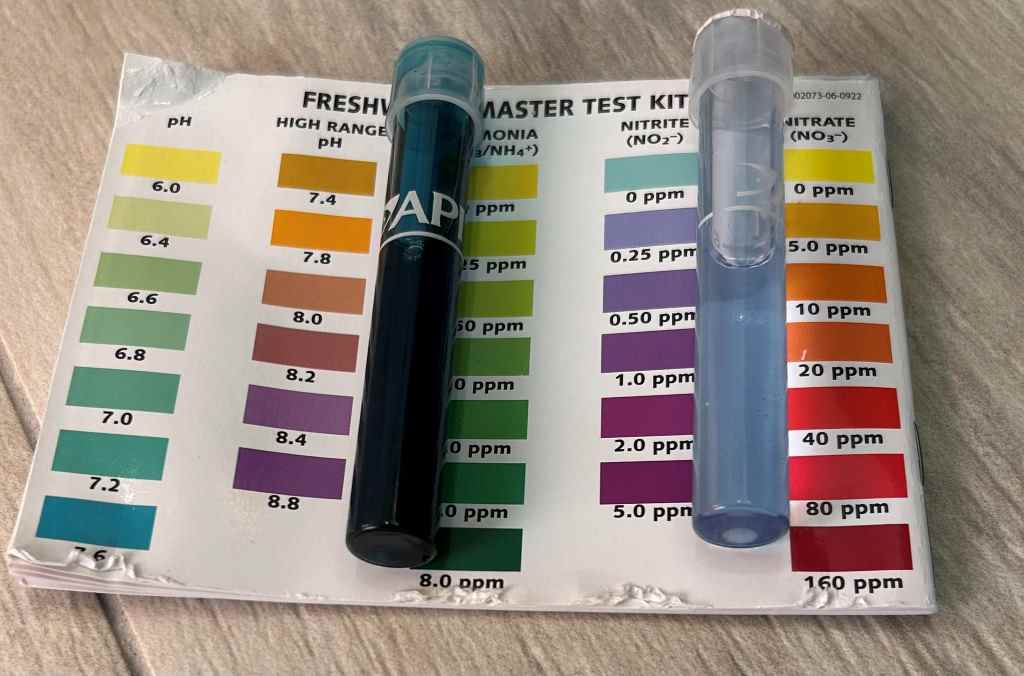
pH measures how acidic or alkaline your aquarium water is. The scale ranges from 0 (highly acidic) to 14 (highly alkaline), with 7 being neutral. Most freshwater fish thrive in a slightly acidic to neutral pH range, typically between 6.5 and 7.5. However, some species, like African cichlids, prefer a more alkaline environment.
Why is pH Important?
- Fish Health: Fluctuations in pH can stress fish, compromising their immune system and making them susceptible to diseases.
- Biological Processes: Nitrifying bacteria, crucial for breaking down harmful ammonia and nitrite, function optimally within a specific pH range.
- Plant Growth: Aquatic plants also have pH preferences for optimal nutrient uptake and growth.
Maintaining Stable pH
- Regular Testing: Invest in a reliable pH test kit and monitor your aquarium water regularly.
- Buffering: Use buffering agents or substrates designed to stabilize pH.
- Water Changes: Partial water changes help dilute any acidic or alkaline substances that might accumulate in the aquarium.
- Driftwood and Peat Moss: These natural materials can gradually lower pH if needed.
- Crushed Coral or Limestone: These materials can raise pH in alkaline-loving aquariums.
Ammonia: The Toxic Byproduct
Ammonia is a highly toxic compound produced by fish waste, decaying food, and other organic matter in the aquarium. Even in small amounts, ammonia can cause severe stress, gill damage, and even death in fish.
The Nitrogen Cycle
Ammonia is part of the nitrogen cycle, a natural process where beneficial bacteria convert it into less harmful substances. However, in a newly set up aquarium, these bacteria populations haven’t established yet, making ammonia control crucial.
Controlling Ammonia
- Cycling Your Aquarium: The initial cycling process allows beneficial bacteria to colonize your filter and substrate.
- Regular Water Changes: Partial water changes help remove excess ammonia before it reaches dangerous levels.
- Reduce Overfeeding: Avoid overfeeding your fish, as excess food contributes to ammonia production.
- Ammonia-Binding Products: In emergencies, ammonia-binding products can temporarily neutralize ammonia until the nitrogen cycle is established.
Nitrite: The Intermediate Danger
Nitrite is the intermediate stage in the nitrogen cycle, where beneficial bacteria convert ammonia into less toxic nitrate. However, nitrite is still harmful to fish and can cause similar health issues as ammonia, including stress, gill damage, and even death.
Monitoring Nitrite
- Regular Testing: Test your aquarium water for nitrite regularly, especially during the cycling process.
- Patience: The nitrite levels will naturally rise and then fall as the beneficial bacteria colonies grow and become more efficient at converting it into nitrate.
- Water Changes: If nitrite levels spike, perform partial water changes to dilute the concentration and protect your fish.
Nitrate: The Less Toxic End Product
Nitrate is the final stage in the nitrogen cycle and is much less toxic to fish than ammonia or nitrite. However, high nitrate levels can still stunt growth, impair reproduction, and weaken the immune system.
Managing Nitrate
- Regular Water Changes: Partial water changes are the most effective way to reduce nitrate levels in your aquarium.
- Live Plants: Aquatic plants utilize nitrate as a nutrient, helping to naturally lower its concentration in the water.
- Nitrate-Removing Filter Media: Specialized filter media can be used to remove nitrate from the water.
- Protein Skimmer (Saltwater Aquariums): Protein skimmers help remove organic waste before it breaks down into nitrate.
The Importance of Regular Testing
Regularly testing your aquarium water for pH, ammonia, nitrite, and nitrate is vital for maintaining a healthy environment for your aquatic life. Invest in reliable test kits and follow the manufacturer’s instructions carefully. Keep a log of your test results to track any changes and address any issues promptly.
Additional Tips for Maintaining Water Quality
- Avoid Overcrowding: Overcrowding your aquarium leads to increased waste production and stress on your fish.
- Clean Your Filter Regularly: A clean filter ensures optimal water flow and efficient removal of debris and toxins.
- Vacuum Your Substrate: Regularly vacuuming your substrate removes uneaten food and other organic matter that contribute to ammonia production.
- Quarantine New Fish: Quarantine new fish before introducing them to your main aquarium to prevent the spread of diseases.
- Observe Your Fish: Watch your fish closely for any signs of stress or illness, and take action promptly if you notice anything unusual.
Conclusion
Understanding and managing water parameters is essential for creating a thriving aquarium ecosystem. By regularly testing your water, maintaining stable pH, and controlling ammonia, nitrite, and nitrate levels, you can ensure the health and happiness of your aquatic pets. Remember, a well-maintained aquarium is not only a beautiful addition to your home but also a testament to your dedication to providing a safe and healthy environment for your underwater companions.
Remember: Every aquarium is unique. Research the specific needs of your fish, invertebrates, and plants, and adjust your water parameters accordingly. By being proactive and attentive to water quality, you can create a vibrant and thriving aquatic world that will bring you years of enjoyment.