
That fishy smell wafting from your canine companion’s mouth, like a dog’s breath smells like fish, might be more than just unpleasant – it could be a sign of an underlying health issue. While dog breath is rarely minty fresh, a persistent fishy odor warrants further investigation. If you’re concerned about your dog’s dental health, resources like Dogguides can provide valuable insights into what could be causing the issue and how to address it effectively. Let’s dive into the common causes of fishy breath in dogs and how to address them.
-
Dental Problems: The Usual Suspect
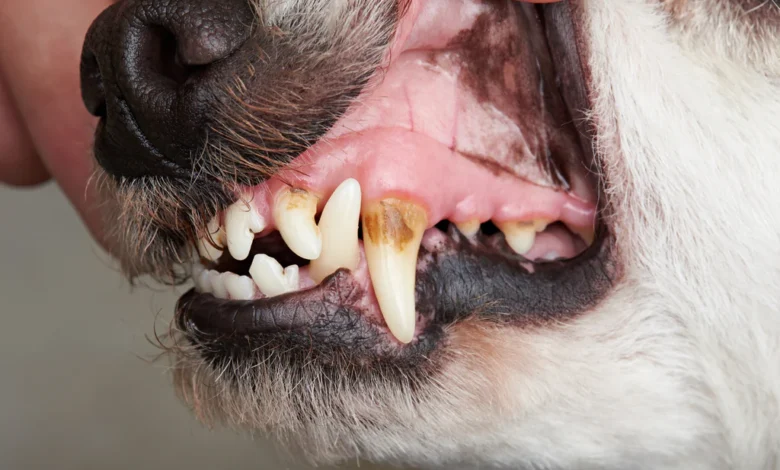
Just like humans, dogs can suffer from a variety of dental problems that contribute to bad breath. Plaque and tartar buildup, gingivitis (inflammation of the gums), and periodontal disease are common culprits. These conditions create a breeding ground for bacteria, leading to that characteristic fishy smell.
What to look for:
- Yellow or brown buildup on teeth
- Red, swollen, or bleeding gums
- Difficulty chewing
- Excessive drooling
- Pawing at the mouth
To do:
- Regular dental care: Brush your dog’s teeth daily with a dog-specific toothpaste and toothbrush.
- Dental chews and treats: These can help scrape away plaque and tartar.
- Professional dental cleaning: Schedule regular cleanings with your veterinarian to remove plaque and tartar buildup and address any underlying dental issues.
-
Anal Gland Issues: A Smelly Situation
Dogs have anal glands located on either side of their anus that secrete a foul-smelling fluid. These glands can sometimes become impacted or infected, leading to a fishy odor that can transfer to your dog’s breath through licking.
What to look for:
- Scooting or dragging their bottom on the ground
- Excessive licking or biting at the anal area
- Swelling or redness around the anus
To do:
- Veterinary care: Your vet can express the anal glands and treat any infections.
- Increased fiber intake: Adding fiber to your dog’s diet can help regulate bowel movements and prevent anal gland issues.
-
Dietary Factors: You Are What You Eat

What your dog eats can significantly impact their breath. Fish-based dog food or treats, while healthy, can sometimes leave a lingering fishy smell. Additionally, scavenging and eating things they shouldn’t, like spoiled food or garbage, can also contribute to bad breath.
To do:
- High-quality diet: Choose a high-quality dog food that meets your dog’s nutritional needs.
- Monitor scavenging: Prevent your dog from accessing garbage or other potentially harmful substances.
- Freshwater: Ensure your dog has access to fresh water at all times to help wash away food particles and bacteria.
-
Kidney Disease: A Serious Concern
In some cases, fishy breath can be a sign of kidney disease. When the kidneys aren’t functioning properly, toxins can build up in the bloodstream, leading to a variety of symptoms, including bad breath.
What to look for:
- Increased thirst and urination
- Loss of appetite
- Vomiting
- Lethargy
To do:
- Veterinary diagnosis: If you suspect kidney disease, consult your veterinarian immediately for diagnosis and treatment.
-
Other Medical Conditions:
Less commonly, fishy breath can be associated with other medical conditions, such as:
- Diabetes: Imbalances in blood sugar levels can cause bad breath.
- Liver disease: Liver problems can lead to a buildup of toxins in the body, resulting in bad breath.
- Respiratory infections: Infections in the respiratory tract can also cause bad breath.
Dog Muzzles That Allow Drinking: A Guide for Caring Pet Owners
What to do:
- Veterinary examination: If your dog’s fishy breath is accompanied by other symptoms or persists despite addressing dental and anal gland issues, consult your veterinarian for a thorough examination.
Tips for Fresher Breath
- Regular brushing: Make teeth brushing a daily habit.
- Dental chews and toys: Provide your dog with dental chews and toys to help clean their teeth.
- Probiotics: Probiotics can help promote healthy gut bacteria, which can improve digestion and reduce bad breath.
- Parsley: Adding fresh parsley to your dog’s food can help freshen their breath naturally.
You Might Enjoy: How to Clean White Stones in Garden: A Simple Guide
When to Seek Veterinary Attention
If your dog’s fishy breath is persistent, accompanied by other symptoms, or you’re concerned about their overall health, it’s essential to seek veterinary attention. Your veterinarian can perform a thorough examination, diagnose any underlying conditions, and recommend appropriate treatment options.
By addressing the underlying cause of your dog’s fishy breath, you can help improve their oral health and overall well-being. Remember, prevention is key, so establish a good oral hygiene routine early on and schedule regular veterinary checkups for your furry friend.