

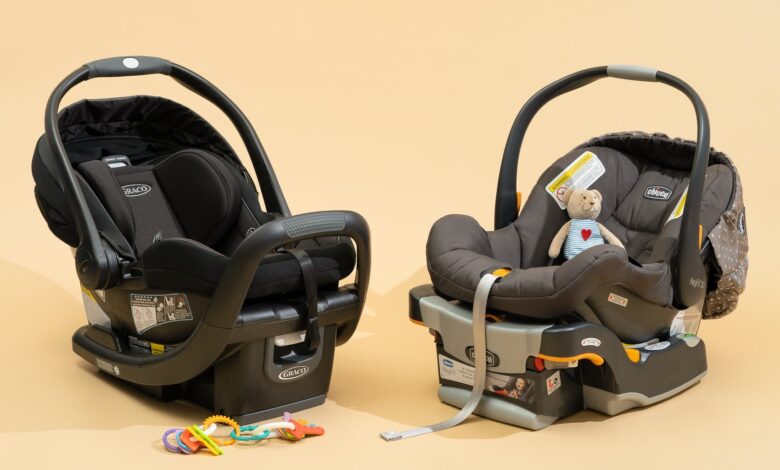
When shopping for car seats, many parents consider weight as an essential factor. Lightweight infant car seats are a top choice for busy parents who need portability, but concerns about their lifespan often surface. Are these sleek and lightweight models as durable as their heavier counterparts? Or do they sacrifice longevity for convenience? In this article, we’ll dive into the science, expert opinions, and user experiences to answer the question: Do lightweight infant car seats have shorter lifespans?
The Importance of Infant Car Seat Lifespans

Infant car seats are critical for protecting your child on the road. However, their effectiveness depends largely on their condition and how well they’re maintained. Every car seat, lightweight or not, has an expiration date dictated by the manufacturer. Typically, the lifespan of a car seat ranges from 6 to 10 years. This is due to wear and tear, evolving safety standards, and material degradation.
For lightweight infant car seats, the question of lifespan arises because their lighter construction often uses thinner materials. These materials, while still adhering to rigorous safety guidelines, may be perceived as less durable. But is this a valid concern? For more information and expert reviews, explore Probabyguide.
What is the Lightest Infant Car Seat?
When discussing lightweight options, it’s hard to overlook the importance of portability and ease of use. If you’re wondering what is the lightest infant car seat, the Nuna Pipa Aire Car Seat is often touted as a frontrunner. Weighing just around 5.3 pounds, it’s a parent favorite for travel and everyday use.
Its compact design and lightweight frame don’t just make it easier to carry but also simplify the process of transferring between vehicles. This leads to convenience for parents managing hectic schedules. But what about its lifespan? The Nuna Pipa Aire, like other premium lightweight models, adheres to safety standards and boasts a typical lifespan of 7 years, proving that lightweight doesn’t necessarily mean shorter longevity.
Factors That Influence the Lifespan of Lightweight Infant Car Seats
Material Quality
Lightweight car seats are often constructed with advanced polymers and foam padding. These materials are designed to minimize weight without compromising safety. However, lower-quality options may degrade faster due to exposure to UV rays, temperature fluctuations, and regular use.
Premium brands, like Nuna and Graco, use high-quality materials that withstand wear and tear. Always research the materials used in a car seat before purchasing. For example, models reinforced with steel frames tend to have a longer lifespan than those made entirely of plastic.
Usage Frequency
Frequent use can impact the durability of any car seat. Lightweight models are popular among parents who travel often or live active lifestyles. If a seat is used daily or subjected to frequent reinstallation, the straps, buckles, and fabric might wear out faster than in a less frequently used model.
On the other hand, occasional use (like for grandparents’ cars or travel-specific seats) may extend the lifespan of a lightweight model since it undergoes less wear and tear.
Exposure to Environmental Factors
Car seats are often exposed to the elements, whether through sunlight, heat, or humidity. Lightweight car seats may deteriorate faster if they use materials that aren’t UV-resistant or climate-tested. For example, foam padding can become brittle when exposed to excessive heat, reducing the seat’s ability to provide adequate protection.
Maintenance and Cleaning Practices
How you maintain your car seat can significantly influence its lifespan. Lightweight car seats often come with removable covers and washable fabrics, making them easy to clean. However, improper washing methods or harsh cleaning chemicals can degrade materials over time.
Always follow the manufacturer’s cleaning instructions to maintain the seat’s integrity. Regular inspections for cracks, frayed straps, or weakened buckles can also help extend its usable life.
Are Lightweight Infant Car Seats Safe?
Safety is a non-negotiable factor for any car seat. Lightweight infant car seats undergo the same rigorous testing and must meet or exceed federal safety standards, just like their heavier counterparts.
The National Highway Traffic Safety Administration (NHTSA) emphasizes that weight doesn’t correlate directly with safety performance. Instead, features like side-impact protection, secure harness systems, and proper installation are the true indicators of safety.
Brands like Chicco, Graco, and Nuna invest heavily in safety technology, ensuring that their lightweight models perform exceptionally well in crash tests. For instance, the Chicco KeyFit 30, another lightweight contender, is consistently rated as one of the safest options on the market.
Benefits of Lightweight Infant Car Seats
Ease of Transport
The primary advantage of a lightweight car seat is its portability. Parents with busy schedules or those frequently on the go appreciate the convenience of a car seat that’s easy to carry.
Versatility
Lightweight car seats are often designed to be compatible with travel systems. This allows parents to seamlessly transition between car, stroller, and even air travel without the hassle of heavy lifting.
Affordability
Although premium lightweight models can be expensive, many affordable options are available that strike a balance between safety, durability, and price.
Do Lightweight Infant Car Seats Wear Out Faster?
While lightweight infant car seats are built to last through their designated lifespan, they may show signs of wear and tear sooner than heavier models. This is especially true for budget options that use less durable materials.
However, premium lightweight car seats like the Nuna Pipa Aire and Chicco KeyFit 30 demonstrate that advanced engineering can overcome these challenges. By using high-strength, lightweight materials, manufacturers create products that are both portable and durable.
Tips to Extend the Lifespan of Lightweight Infant Car Seats
- Store Properly: Avoid leaving the car seat in direct sunlight or extreme temperatures when not in use.
- Inspect Regularly: Check for cracks, fraying, or other signs of damage. Replace parts as needed.
- Follow Manufacturer Guidelines: Adhere to cleaning and usage instructions to maintain the integrity of the car seat.
- Use for Appropriate Ages: Don’t use the seat beyond its weight or height limits, as this can strain its components.
Read More Also: Why is My Shark Battery Not Holding Charge?
Conclusion
Lightweight infant car seats don’t necessarily have shorter lifespans compared to heavier models. The key lies in the quality of materials, frequency of use, and proper maintenance. Premium brands have proven that lightweight doesn’t mean fragile, offering models that are both durable and safe.
Ultimately, parents should choose a car seat that meets their specific needs, considering factors like ease of use, safety features, and lifespan. By following proper care practices, you can ensure your lightweight car seat serves you well throughout its intended use.
FAQs
Do lightweight infant car seats expire sooner?
All car seats have expiration dates set by the manufacturer. Lightweight car seats have similar lifespans to standard ones, typically ranging from 6 to 10 years.
What makes a car seat lightweight?
Lightweight car seats use advanced materials like high-strength polymers and compact designs to reduce weight while maintaining safety standards.
Can lightweight car seats handle daily use?
Yes, high-quality lightweight car seats are designed for durability. However, frequent use may lead to faster wear and tear.
Are lightweight infant car seats less safe?
No, lightweight car seats must meet or exceed federal safety standards, just like heavier models.
How do I maintain a lightweight infant car seat?
Follow the manufacturer’s cleaning instructions, inspect regularly for damage, and avoid exposing the seat to extreme environmental conditions.
Should I choose a lightweight car seat for travel?
Yes, lightweight car seats are excellent for travel due to their portability and compatibility with travel systems.