

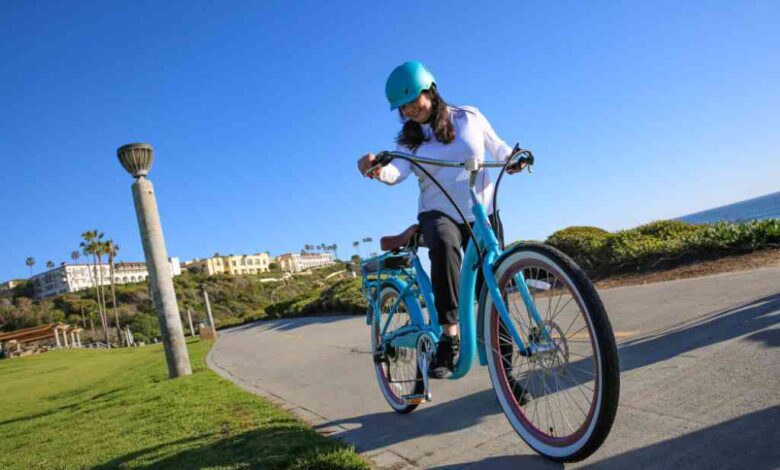
The wind in your hair, the sun on your face, the freedom of the open road – cycling can be a truly exhilarating experience. However, for many, the fear of falling, getting hurt, or losing control can be a significant barrier to enjoying this activity. This comprehensive guide will provide you with practical tips and strategies to overcome your fear of bicycle riding and embrace the joy of bicycle riding.
Understanding the Fear
Fear of bicycle riding can stem from various factors, including past negative experiences, witnessing accidents, or simply a lack of confidence in your abilities. It’s important to identify the root cause of your fear in order to address it effectively. Some common reasons for this fear include:
- Fear of Falling: This is perhaps the most common fear associated with cycling. The thought of losing balance and hitting the ground can be daunting, especially for beginners.
- Fear of Traffic: Riding on busy roads can be intimidating, especially if you’re not comfortable navigating traffic or sharing the road with vehicles.
- Fear of Losing Control: The feeling of not being in complete control of the bicycle can trigger anxiety and fear. This is particularly prevalent in situations involving downhill slopes or uneven terrain.
- Lack of Confidence: If you haven’t ridden a bike in a while or have never learned how to ride, you may lack confidence in your abilities, leading to fear and hesitation.
Overcoming the Fear
Once you’ve identified the underlying causes of your fear, you can start taking steps to overcome it. Here are some effective strategies:
- Start Small: Begin by practicing in a safe and controlled environment, such as an empty parking lot or a quiet park. Avoid busy roads and challenging terrains until you feel more confident.
- Get the Right Equipment: Ensure that your bicycle is the right size and in good working condition. Wear a properly fitted helmet and other protective gear to minimize the risk of injury in case of a fall.
- Take a Class: Consider enrolling in a beginner’s cycling class. A qualified instructor can teach you the basics of bike handling, safety, and traffic navigation.
- Practice Balance: Balance is key to cycling. Practice balancing on your bike while stationary, then gradually progress to moving at a slow pace.
- Master Braking: Knowing how to brake effectively is crucial for controlling your speed and avoiding accidents. Practice braking on different surfaces and at various speeds.
- Build Confidence Gradually: Start with short rides on flat terrain and gradually increase the distance and difficulty as you gain confidence.
- Focus on Your Surroundings: Pay attention to your surroundings and anticipate potential hazards. Avoid distractions such as using your phone while riding.
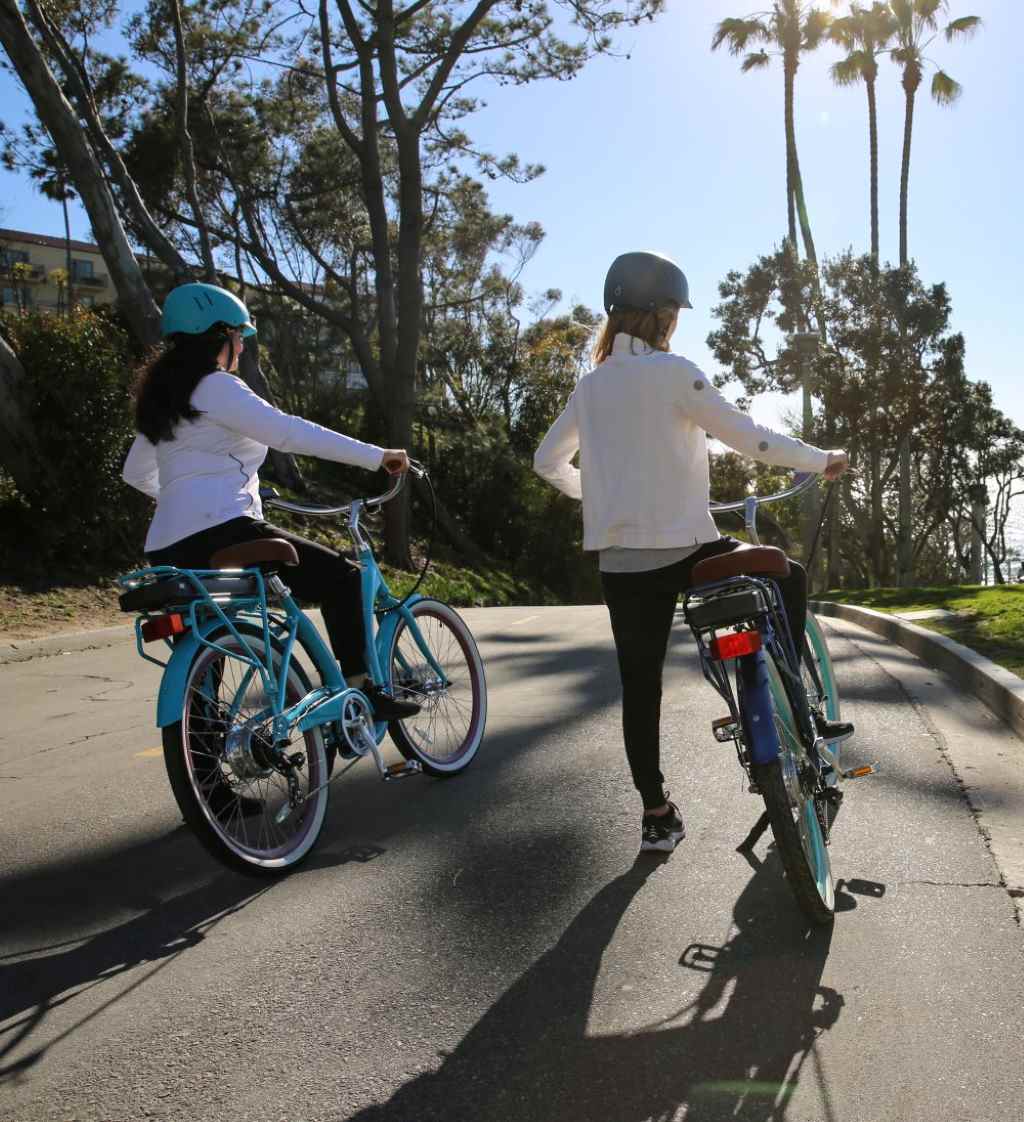
- Ride with a Friend: Riding with a more experienced cyclist can provide support and encouragement. They can also offer tips and advice on handling challenging situations.
- Visualize Success: Positive visualization can be a powerful tool for overcoming fear. Imagine yourself riding confidently and enjoying the experience.
- Don’t Give Up: Overcoming fear takes time and effort. Don’t get discouraged if you experience setbacks. Keep practicing and celebrating your progress.
Additional Tips
- Find a Comfortable Bike: Make sure your bike is the right size and fits you well. An uncomfortable bike can make riding more difficult and less enjoyable.
- Adjust Your Seat Height: The seat height should be adjusted so that your legs are slightly bent when your feet are flat on the ground. This will help you maintain balance and control.
- Check Your Tires: Make sure your tires are properly inflated. This will make riding easier and reduce the risk of flats.
- Use Hand Signals: Learn and use hand signals to communicate with other cyclists and motorists. This will help you stay safe on the road.
- Be Aware of Traffic Laws: Familiarize yourself with the traffic laws in your area. This will help you avoid accidents and fines.
- Ride Defensively: Always assume that motorists may not see you. Be prepared to take evasive action if necessary.
- Stay Hydrated: Bring water with you on your rides and stay hydrated. Dehydration can impair your judgment and reaction time.
- Have Fun! Cycling should be enjoyable. Don’t take it too seriously. Relax, enjoy the scenery, and have fun!
Benefits of Overcoming Fear
Overcoming your fear of bicycle riding can open up a world of possibilities. Cycling offers numerous benefits, including:
- Improved Physical Health: Cycling is a great way to get exercise and improve your cardiovascular health. It can also help you build strength and endurance.
- Enhanced Mental Well-being: Cycling can reduce stress, anxiety, and depression. It can also boost your mood and self-esteem.
- Environmental Friendliness: Cycling is a sustainable mode of transportation that reduces your carbon footprint.
- Cost-Effectiveness: Once you have a bike, cycling is a relatively inexpensive way to get around.
- Social Connection: Cycling can be a social activity. You can join a cycling club or group rides to meet new people and make friends.
Conclusion
Overcoming the fear of bicycle riding is achievable with the right approach and mindset. By starting small, practicing regularly, and building confidence gradually, you can conquer your fear and experience the joy and freedom of cycling. Remember, the journey of a thousand miles begins with a single pedal stroke. So take that first step, embrace the challenge, and enjoy the ride!