
Waves, Brushes and Beats: How Surf Art and Music Shape the Vibe of the Ocean

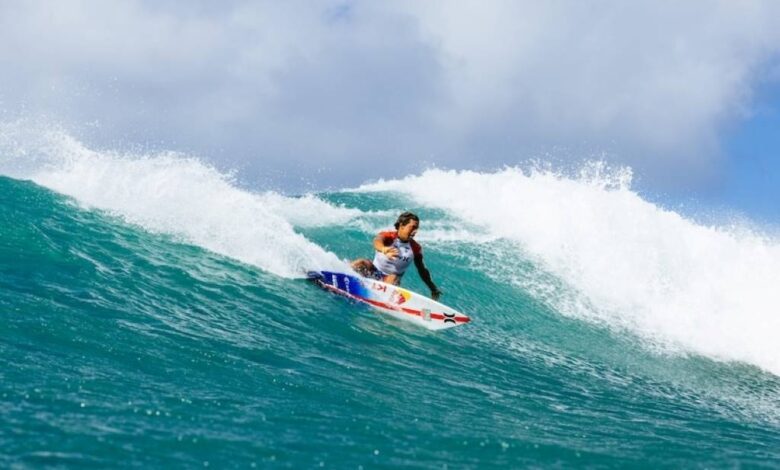
Surfing is more than a sport. It’s a lifestyle shaped by creativity, rebellion, and soulful connections to nature. At the heart of this lifestyle lies a powerful synergy—surf art and music. Together, they amplify the emotional energy of the sea, define surf culture, and influence how people experience the ocean.
The Cultural Backbone of Surfing
Surf culture didn’t arise solely from catching waves. It evolved from a community of free spirits, artists, and musicians whose lives revolved around the ocean. According to the Encyclopedia of Surfing, modern surf culture took shape in the 1950s and 60s in Southern California. During this time, surf music and art emerged as distinct reflections of ocean life and identity.
Artists like Rick Griffin and musicians like The Beach Boys didn’t just depict surf life—they shaped it. They infused surf culture with color, rhythm, and a sense of belonging. This creative output transformed local beach scenes into global lifestyle movements.
How Surf Art Captures the Ocean’s Essence
Surf art transcends traditional landscape painting. It distills the ocean’s energy into shapes, colors, and moods. Whether it’s through watercolor seascapes, digital prints, or board graffiti, surf art makes the abstract tangible.
Famous surf artist Drew Brophy once said, “The wave is life—it has force, power, and soul.” His vibrant, psychedelic-style paintings are not only visual feasts but emotional interpretations of his time in the water. These depictions don’t just hang on walls. They influence surfboard design, clothing brands, and event aesthetics.
Additionally, surf art promotes ocean awareness. Artists like Heather Brown use their work to highlight environmental issues, merging aesthetics with activism. Her iconic wave prints are not only collectible but also serve to raise awareness about coral reef preservation.
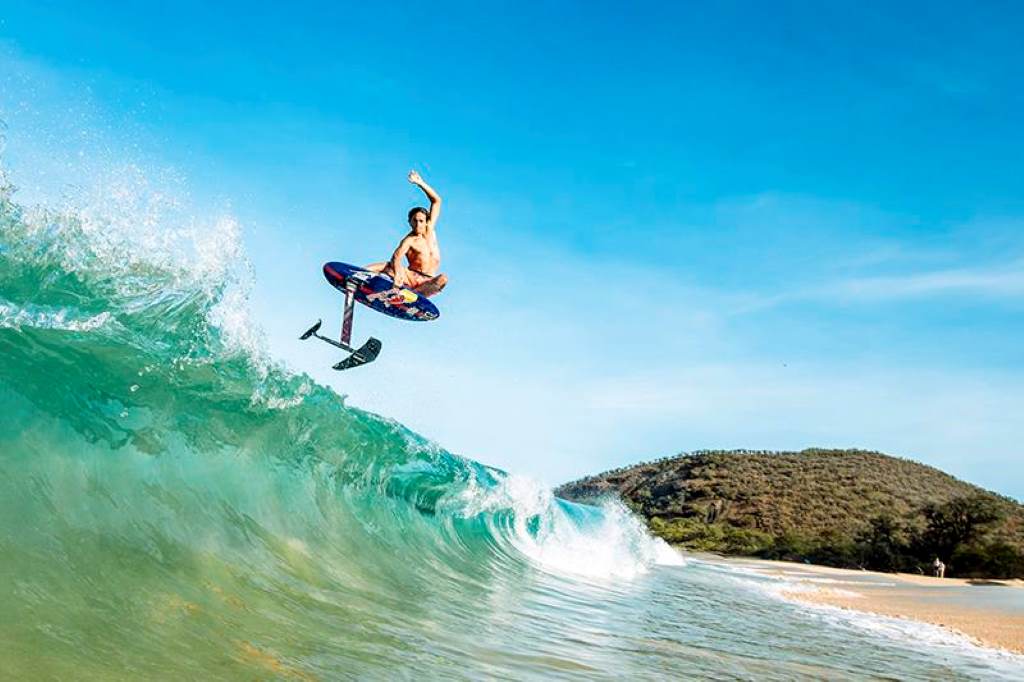
Music: The Pulse of Surf Culture
Music, especially surf rock, reggae, and indie, fuels the surfing vibe. It sets the tone for beach life and expresses the internal rhythm surfers experience while riding waves. The influence of surf music began in the early 1960s with bands like Dick Dale & The Del-Tones, who used reverb-heavy guitar to mimic the sound of crashing waves.
Modern surf music blends genres like psychedelic rock, lo-fi, and tropical house. Artists such as Jack Johnson—himself a former professional surfer—offer mellow acoustic tracks that mirror the ocean’s serenity. His 2005 album In Between Dreams became a surf culture staple, selling over 15 million copies globally.
Music also defines surf films, festivals, and beach sessions. For example, the soundtrack to the documentary The Endless Summer elevated both the film and surf culture into a new artistic realm. Sound and visuals became inseparable.
Community, Identity, and Emotional Impact
Both surf art and music create community and a shared identity among surfers and ocean lovers. A 2023 study from the Journal of Cultural Geography found that 76% of coastal youth associated music and visual art with feelings of belonging to their surf communities.
This connection isn’t accidental. Art and music communicate what surfing often cannot: the emotional depth, the spiritual freedom, and the highs and lows of ocean life. They help non-surfers relate to and respect the lifestyle.
Furthermore, local surf scenes are often defined by their artistic output. Byron Bay in Australia, for instance, is as famous for its surf art galleries and live music venues as it is for its surf breaks. This creative ecosystem helps preserve local identity against commercialization.
Read More:
Mastering Surf Travel Jet Lag with Ease
How to Master Wetsuit Cold Water Entry in Surfing Like a Pro
Surf Art and Music as Ocean Advocates
Art and music are powerful tools for ocean advocacy. Organizations like Surfrider Foundation and Save the Waves Coalition regularly collaborate with artists and musicians to fundraise and spread awareness. Concerts like the BeachLife Festival not only entertain but also educate attendees on coastal conservation.
Artists and musicians speak directly to the heart, often more effectively than data. In 2022, singer Ziggy Alberts released Laps Around the Sun, highlighting ocean pollution and mental health. The album reached millions and sparked conversations around ecological and emotional wellbeing tied to the sea.
This emotional activism resonates especially with Gen Z and Millennials. According to Forbes, 71% of Gen Z consumers prefer brands and influencers who support environmental causes. Surf art and music are perfectly positioned to lead this charge authentically.
The Commercial Side: Branding and Influence
Major surf brands leverage art and music to deepen emotional resonance with their audience. Quiksilver, Billabong, and Roxy often partner with artists for limited-edition gear and collaborate with musicians for branded playlists and events.
Spotify’s 2024 report on surf lifestyle playlists showed a 300% increase in listens between 2020 and 2023, revealing a rising appetite for ocean-inspired tunes. The connection between beach vibes and consumer behavior is undeniable.
Additionally, NFTs and digital surf art have opened new revenue streams. Creators are now monetizing their ocean-inspired work in innovative ways, helping preserve the culture digitally while keeping it financially sustainable.
Global Fusion and Future Trends
The influence of surf art and music isn’t limited to Western cultures. In Hawaii, hula and slack-key guitar form a traditional surf soundtrack. In Brazil, bossa nova complements longboarding on the warm beaches of Rio. Even Japan has a growing surf art scene combining manga and seascapes.
As surfing expands globally—now an Olympic sport—the creative side of surf culture is growing with it. Expect more cross-cultural collaborations and digital innovations that preserve the vibe while making it accessible to a wider audience.
FAQs
1. How do surf artists choose their subjects?
They often draw from personal surf experiences, ocean landscapes, and environmental concerns, aiming to capture emotion and movement.
2. What music genres are most associated with surf culture?
Surf rock, reggae, indie, and acoustic folk dominate the surf scene, each evoking different ocean moods and energies.
3. Who are some iconic surf artists?
Drew Brophy, Heather Brown, and Rick Griffin are among the most recognized for their vibrant and emotional ocean imagery.
4. How does surf music influence surfing itself?
It affects mood, focus, and even timing, often serving as a warm-up or cool-down ritual for many surfers.
5. Are there events that combine surf, art, and music?
Yes, festivals like BeachLife, Surf City Nights, and Vans US Open blend all three, creating immersive cultural experiences.
6. Can surf art help with ocean conservation?
Absolutely. Many artists collaborate with eco-charities, using their work to promote marine awareness and fundraising.
7. Is surf culture becoming more digital?
Yes, with NFTs, online galleries, and virtual concerts, surf art and music are adapting to new platforms while preserving tradition.
Final Thought
How Surf Art and Music Shape the Vibe of the Ocean is more than an aesthetic phenomenon. It’s the emotional heartbeat of a global community. From the brush strokes of wave-loving painters to the chords of beach-bound musicians, the ocean’s vibe is a rich symphony of human expression.
As the world evolves, this artistic soul remains vital—not just for culture, but for conservation, identity, and inspiration. The sea doesn’t just shape the surfer. Through art and music, the surfer also shapes the sea.