


Topdressing is a vital lawn care practice that involves applying a thin layer of material over grass to improve soil health, enhance growth, and promote a lush, green lawn. Whether you’re a homeowner or a professional landscaper, choosing the right topdressing material can make all the difference. At Boyers Lawn Care, we often get asked whether compost or sand is the better choice for topdressing. Both materials have unique benefits, but their effectiveness depends on your lawn’s needs, soil type, and maintenance goals. In this article, we’ll explore the benefits of topdressing with compost versus sand, helping you make an informed decision for a healthier lawn.
What Is Topdressing and Why Does It Matter?
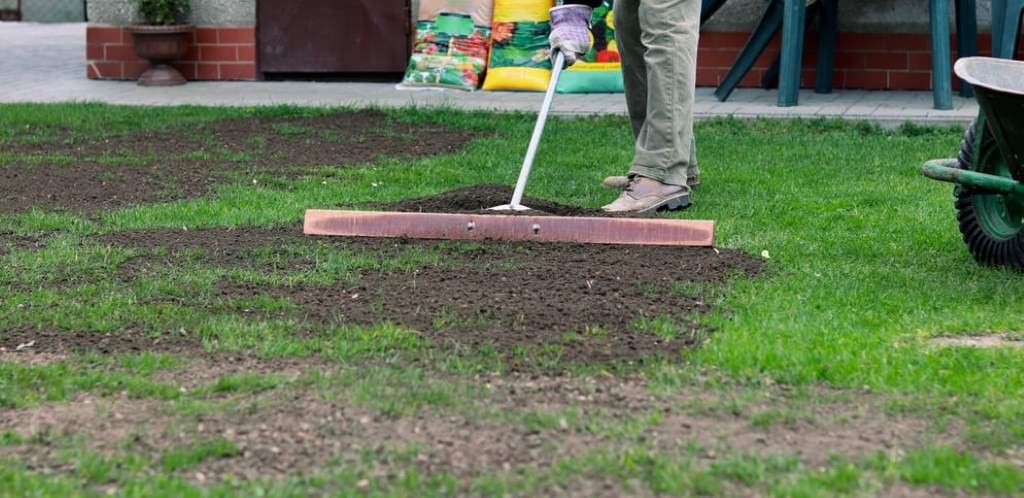
Topdressing involves spreading a thin layer (typically 1/4 to 1/2 inch) of material like compost, sand, or a blend over your lawn. This practice improves soil structure, enhances nutrient availability, and promotes healthy grass growth. Additionally, topdressing can level uneven surfaces, improve drainage, and encourage beneficial microbial activity. However, the choice between compost and sand significantly impacts the results. Compost is organic, nutrient-rich, and biologically active, while sand is inorganic, focusing on physical soil improvements. Let’s dive into the specific benefits of each.
One key factor to consider is how topdressing materials interact with mychorizzal fungi for lawns. These beneficial fungi form symbiotic relationships with grass roots, enhancing nutrient and water uptake. Compost supports these fungi, while sand may not provide the same biological boost.
Benefits of Topdressing with Compost
Compost is a powerhouse for lawn health, offering a range of benefits that go beyond simple soil coverage. Made from decomposed organic matter like leaves, grass clippings, and food scraps, compost is rich in nutrients and microorganisms. Here’s why compost is often the preferred choice:
- Nutrient Enrichment: Compost delivers essential nutrients like nitrogen, phosphorus, and potassium, feeding grass and soil microbes. This promotes sustained growth without the need for synthetic fertilizers.
- Improved Soil Structure: Compost enhances soil aeration and water retention, especially in clay-heavy or compacted soils. It helps create a looser, more workable soil environment for roots.
- Microbial Activity: Compost introduces beneficial microorganisms, including mychorizzal fungi, which improve nutrient absorption and protect grass from stress and disease.
- Eco-Friendly: Using compost reduces reliance on chemical fertilizers, supporting sustainable lawn care practices.
- Versatility: Compost works well for most soil types, making it a flexible option for diverse lawns.
Moreover, compost supports long-term soil health by fostering a balanced ecosystem. According to the University of Maryland Extension, compost improves soil fertility and reduces erosion, making it a top choice for environmentally conscious homeowners. However, compost can be more expensive and labor-intensive to apply evenly, and low-quality compost may introduce weeds or pathogens if not properly processed.
Benefits of Topdressing with Sand
Sand, typically coarse or medium-grade, is another popular topdressing material, especially for lawns with specific needs. It’s often used on golf courses and athletic fields due to its ability to improve soil structure and drainage. Here are the key benefits of using sand:
- Enhanced Drainage: Sand is ideal for heavy clay soils or low-lying areas prone to waterlogging. It improves water infiltration, reducing puddling and root rot.
- Leveling and Smoothing: Sand fills in low spots and creates a smooth, even surface, which is crucial for high-traffic lawns or sports fields.
- Cost-Effective: Sand is generally cheaper and easier to source than high-quality compost, making it a budget-friendly option for large areas.
- Compaction Resistance: Sandy soils resist compaction better than clay or loamy soils, maintaining good aeration for grass roots.
- Quick Application: Sand is easier to spread evenly, especially with mechanical spreaders, saving time during application.
For instance, the Purdue University Turfgrass Science Program highlights sand’s role in improving drainage and leveling for turfgrass management. Nevertheless, sand lacks the nutrient content of compost and doesn’t support microbial life, including mychorizzal fungi for lawns. Overuse of sand can also lead to a sterile soil environment, requiring additional fertilization to maintain grass health.
Compost vs. Sand: A Side-by-Side Comparison
To choose the right topdressing material, consider your lawn’s specific needs:
- Soil Type: Compost benefits most soil types, especially nutrient-poor or compacted soils. Sand is better for clay-heavy soils needing better drainage.
- Lawn Goals: If you aim for long-term soil health and sustainability, compost is superior. For quick leveling or drainage fixes, sand excels.
- Budget: Sand is typically more affordable, while high-quality compost may require a larger investment.
- Maintenance Level: Compost requires careful application to avoid smothering grass, while sand is easier to spread but may need frequent reapplication in nutrient-poor soils.
- Environmental Impact: Compost supports eco-friendly practices, while sand has minimal biological benefits.
For most homeowners, a blend of compost and sand offers a balanced approach, combining nutrient enrichment with improved drainage. For example, a 70:30 compost-to-sand mix is often recommended for versatile results. Ultimately, testing your soil’s pH and nutrient levels can guide your decision, ensuring the material addresses your lawn’s unique challenges.
Read Also:
California Lawn Equipment Rentals and Reviews
DIY vs. Store-Bought Rod Holders: What’s Worth Your Money?
How to Apply Topdressing Effectively
Regardless of the material, proper application is key to maximizing benefits. First, mow your lawn short and aerate it to improve material penetration. Next, spread the compost or sand evenly using a shovel, rake, or spreader, aiming for a 1/4- to 1/2-inch layer. Water the lawn lightly after application to settle the material and prevent it from blowing away. For compost, ensure it’s well-decomposed to avoid weed seeds or odors. For sand, use clean, coarse sand free of salts or contaminants. Apply topdressing in spring or fall for optimal grass growth.
When to Choose Compost or Sand
Choose compost if your lawn shows signs of nutrient deficiency, poor soil structure, or weak microbial activity. It’s ideal for revitalizing tired lawns or establishing new ones. Conversely, opt for sand if your lawn suffers from poor drainage, compaction, or uneven surfaces, particularly in high-traffic areas. For best results, consult a professional or conduct a soil test to pinpoint your lawn’s needs. Combining both materials may be the most effective solution for lawns requiring both nutrient boosts and structural improvements.
FAQs
Why should I topdress my lawn?
Topdressing improves soil health, enhances drainage, levels uneven areas, and boosts grass growth by adding nutrients or improving soil structure.
Can I mix compost and sand for topdressing?
Yes, a compost-sand mix (e.g., 70:30) combines the nutrient benefits of compost with the drainage and leveling properties of sand, ideal for many lawns.
How often should I topdress my lawn?
Topdress once or twice a year, preferably in spring or fall, to maintain soil health and grass vigor without overwhelming the lawn.
Does compost topdressing attract pests?
High-quality, well-decomposed compost typically doesn’t attract pests. Avoid using fresh or poorly processed compost to minimize risks.
Is sand topdressing suitable for all lawn types?
Sand is best for clay-heavy soils or lawns needing better drainage. It’s less effective for nutrient-poor soils, where compost is preferable.
Conclusion
Topdressing with compost or sand offers distinct benefits tailored to your lawn’s needs. Compost excels in enriching soil, supporting mychorizzal fungi for lawns, and promoting long-term health, making it ideal for nutrient-deficient or compacted soils. Sand, on the other hand, shines in improving drainage and leveling, perfect for clay soils or high-traffic areas. By understanding your lawn’s soil type, goals, and maintenance requirements, you can choose the right material—or a blend of both—for a thriving, vibrant lawn. Regular topdressing, paired with proper application, will keep your grass healthy and resilient year-round.