The Best Flowers for Eco-Friendly Gardens: Sustainable Beauty for Your Backyard


Imagine a garden that bursts with color, attracts pollinators, and thrives without harming the planet. Eco-friendly gardens are more than just a trend—they’re a commitment to sustainability, biodiversity, and environmental harmony. Choosing the right flowers is key to creating a garden that’s both beautiful and planet-friendly. But with so many options, which flowers are best for an eco-friendly garden?
This article dives into the top flowers for eco-friendly gardens, focusing on low-maintenance, drought-tolerant, and pollinator-friendly species that support local ecosystems. We’ll explore how these blooms contribute to sustainability, their benefits, and practical tips for incorporating them into your garden. Whether you’re a seasoned gardener or a beginner, this guide will help you create a vibrant, eco-conscious outdoor space.
Why Choose Eco-Friendly Flowers?
Eco-friendly flowers are those that require minimal resources like water, fertilizers, or pesticides while supporting local wildlife, such as bees, butterflies, and birds. These plants often thrive in their native environments, reducing the need for chemical interventions and excessive care. By selecting sustainable flowers, you conserve water, promote biodiversity, and reduce your carbon footprint.
Here’s why eco-friendly flowers matter:
- Water Conservation: Drought-tolerant flowers need less irrigation, saving water.
- Pollinator Support: Flowers that attract bees and butterflies boost pollination, supporting food crops and ecosystems.
- Low Maintenance: Native and hardy flowers require less upkeep, saving time and resources.
- Soil Health: Some flowers improve soil quality by fixing nitrogen or preventing erosion.
Top Flowers for Eco-Friendly Gardens
Below is a curated list of flowers that are ideal for sustainable gardens. These blooms are resilient, low-maintenance, and beneficial to local ecosystems.
-
Black-Eyed Susan (Rudbeckia hirta)
- Why It’s Eco-Friendly: Native to North America, Black-Eyed Susans are drought-tolerant and attract pollinators like bees and butterflies.
- Benefits: These bright yellow flowers with dark centers bloom from summer to fall, providing long-lasting beauty with minimal care. They thrive in various soil types and require little water once established.
- Care Tips: Plant in full sun to partial shade. Deadhead spent blooms to encourage continuous flowering.
- Eco Impact: Their deep roots help prevent soil erosion, and they support local pollinators.
-
Lavender (Lavandula angustifolia)
- Why It’s Eco-Friendly: Lavender is drought-resistant and thrives in poor, well-drained soil, making it ideal for water-scarce regions.
- Benefits: Its fragrant purple blooms attract bees and butterflies while repelling deer and rabbits. Lavender also has medicinal and aromatherapy uses.
- Care Tips: Plant in sunny spots with sandy or gravelly soil. Avoid overwatering to prevent root rot.
- Eco Impact: Lavender’s low water needs and pest resistance reduce the need for chemical treatments.
-
Coneflower (Echinacea purpurea)
- Why It’s Eco-Friendly: A native prairie plant, coneflowers are hardy, drought-tolerant, and excellent for pollinators.
- Benefits: Their vibrant purple, pink, or white petals attract butterflies and bees, while their seeds feed birds in winter.
- Care Tips: Plant in full sun and well-drained soil. They tolerate neglect and poor soil conditions.
- Eco Impact: Coneflowers support biodiversity and require minimal resources, making them a sustainable choice.
-
Yarrow (Achillea millefolium)
- Why It’s Eco-Friendly: Yarrow is a tough, drought-tolerant plant that thrives in various climates and supports pollinators.
- Benefits: Its clusters of tiny flowers in shades of white, yellow, pink, or red attract beneficial insects. Yarrow is also used in herbal remedies.
- Care Tips: Plant in full sun and avoid overwatering. Trim back after blooming to maintain shape.
- Eco Impact: Yarrow’s deep roots improve soil structure, and its pest-repelling properties reduce pesticide use.
-
Blanket Flower (Gaillardia spp.)
- Why It’s Eco-Friendly: Native to North and South America, blanket flowers are drought-resistant and thrive in hot, dry conditions.
- Benefits: Their bold red, yellow, and orange blooms attract pollinators and bloom for months with little care.
- Care Tips: Plant in full sun and well-drained soil. Deadheading promotes prolonged blooming.
- Eco Impact: Their low water needs and pollinator support make them a sustainable garden staple.
-
Bee Balm (Monarda didyma)
- Why It’s Eco-Friendly: Bee balm is a native plant that attracts bees, butterflies, and hummingbirds, boosting pollination.
- Benefits: Its vibrant red, pink, or purple flowers add color and fragrance to gardens while supporting wildlife.
- Care Tips: Plant in moist, well-drained soil with full to partial sun. Ensure good air circulation to prevent mildew.
- Eco Impact: Bee balm promotes biodiversity and thrives without chemical fertilizers.
-
Zinnia (Zinnia elegans)
- Why It’s Eco-Friendly: Zinnias are fast-growing, drought-tolerant annuals that attract pollinators and require minimal care.
- Benefits: Available in a rainbow of colors, zinnias bloom profusely and are perfect for eco-conscious beginners.
- Care Tips: Plant in full sun and well-drained soil. Regular deadheading extends the blooming season.
- Eco Impact: Zinnias conserve water and support pollinators, making them ideal for sustainable gardens.
How to Create an Eco-Friendly Garden
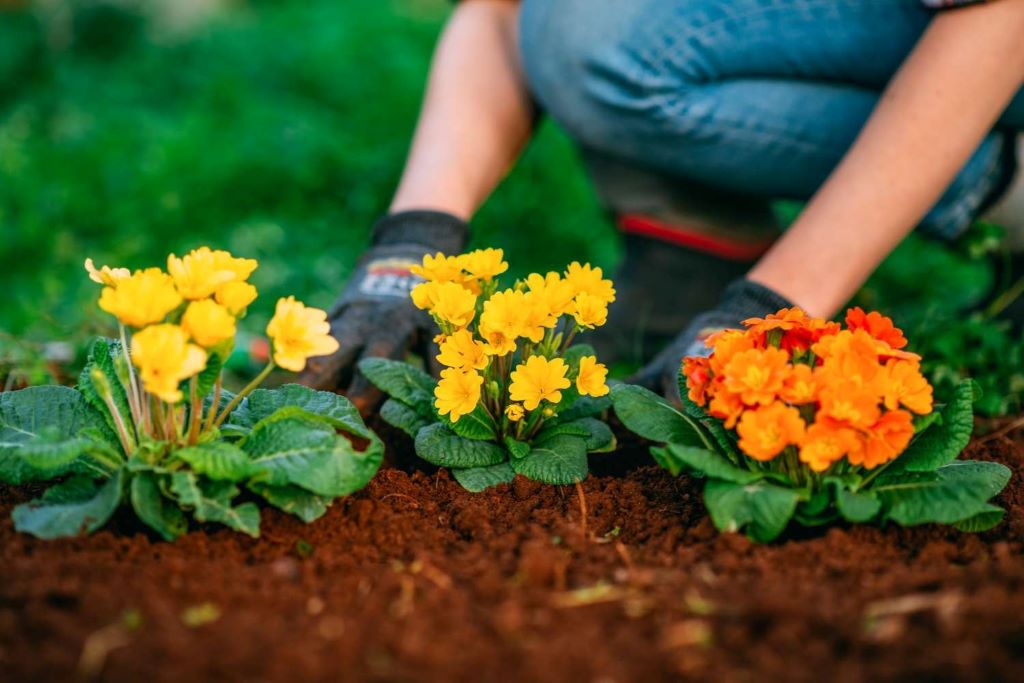
Choosing the right flowers is just the start. Here are practical tips to make your garden even more sustainable:
-
Use Native Plants
Native plants, like those listed above, are adapted to local climates and soils, requiring less water, fertilizer, and pesticides. They also support local wildlife, creating a balanced ecosystem. Check with your local nursery or extension service to find native flowers for your region.
-
Conserve Water
Incorporate drip irrigation or soaker hoses to deliver water directly to plant roots, reducing waste. Mulch with organic materials like wood chips or straw to retain soil moisture and suppress weeds.
-
Avoid Chemicals
Use natural pest control methods, such as companion planting or introducing beneficial insects like ladybugs. Compost kitchen scraps to create nutrient-rich, chemical-free fertilizer.
-
Attract Pollinators
Plant flowers with varying bloom times to provide a consistent food source for pollinators. Include a mix of shapes and colors to attract different species, such as tubular flowers for hummingbirds and flat flowers for bees.
-
Use Sustainable Materials
Opt for recycled or biodegradable pots, natural mulch, and solar-powered garden lights to reduce your environmental impact.
Benefits of an Eco-Friendly Garden
An eco-friendly garden offers more than just aesthetic appeal. Here are some key benefits:
- Environmental Impact: Reduces water usage, chemical runoff, and carbon emissions.
- Cost Savings: Low-maintenance plants and water-saving techniques lower gardening costs.
- Wildlife Support: Provides habitats and food for pollinators and other beneficial creatures.
- Personal Well-Being: Gardening promotes mental health, physical activity, and a connection to nature.
Common Mistakes to Avoid
To ensure your eco-friendly garden thrives, steer clear of these pitfalls:
- Overwatering: Many eco-friendly flowers, like lavender and yarrow, prefer dry conditions. Check soil moisture before watering.
- Planting Non-Natives: Non-native plants may require more resources and disrupt local ecosystems.
- Ignoring Soil Health: Test your soil’s pH and nutrient levels to ensure it’s suitable for your chosen flowers.
- Neglecting Maintenance: Even low-maintenance plants need occasional pruning or deadheading to stay healthy.
Seasonal Considerations
To keep your eco-friendly garden vibrant year-round, plan for seasonal blooms:
- Spring: Plant early bloomers like coneflowers and bee balm for a colorful start.
- Summer: Zinnias and blanket flowers thrive in heat and provide long-lasting color.
- Fall: Black-Eyed Susans and yarrow extend the blooming season into cooler months.
- Winter: In mild climates, lavender can remain evergreen, adding structure to the garden.
Where to Find Eco-Friendly Flowers
Local nurseries, native plant societies, and online retailers specializing in sustainable gardening are great sources for eco-friendly flowers. Look for certifications like “organic” or “native” to ensure quality. Seed swaps and community garden events are also excellent ways to source sustainable plants.
Conclusion
Creating an eco-friendly garden is a rewarding way to beautify your space while supporting the environment. By choosing low-maintenance, pollinator-friendly flowers like Black-Eyed Susans, lavender, coneflowers, yarrow, blanket flowers, bee balm, and zinnias, you can build a sustainable garden that thrives with minimal resources. These plants not only conserve water and reduce chemical use but also attract vital pollinators, contributing to a healthier ecosystem.
Related Topics:
How to Clean White Stones in Garden: A Simple Guide