

Data breaches and identity theft have become significant concerns for businesses of all sizes. Every day, offices handle sensitive information that could compromise their operations if it falls into the wrong hands. Therefore, protecting confidential documents has never been more critical. One of the most effective ways to ensure this protection is through proper document destruction.
Traditional methods of disposing sensitive paperwork often fall short of providing adequate security. Simply tearing papers or using basic shredders leaves information vulnerable to reconstruction. This is where micro-cut shredders come into play, offering a superior level of protection that modern offices desperately need.
Understanding Document Security Levels
Document destruction isn’t a one-size-fits-all solution. Different types of information require varying levels of security. Organizations must understand these distinctions to make informed decisions about their shredding equipment.
Security standards for shredders are classified into different levels, ranging from basic strip-cut to advanced micro-cut technology. Each level determines how small the shredded particles become. The smaller these pieces, the harder it becomes for anyone to reassemble the original document.
For businesses handling sensitive client information, financial records, or proprietary data, basic shredding methods simply don’t provide enough protection. Consequently, many organizations are turning to more sophisticated solutions that guarantee complete destruction of sensitive materials.
What Makes Micro-Cut Technology Different
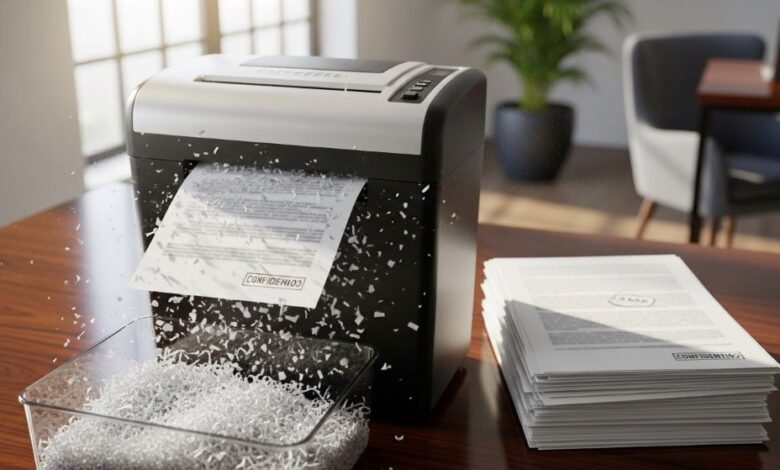
Micro-cut shredders represent the pinnacle of document destruction technology available for office use. Unlike traditional strip-cut models that slice paper into long ribbons, micro-cut machines transform documents into tiny particles resembling confetti.
The size difference is remarkable. While strip-cut shredders create strips measuring approximately 12mm wide, micro-cut versions produce particles as small as 3mm by 10mm. Some advanced models go even smaller, creating dust-like particles that are virtually impossible to reconstruct.
This dramatic reduction in particle size provides exponentially greater security. Additionally, the smaller particles take up less space in waste bins, reducing the frequency of emptying required. This efficiency benefit complements the enhanced security features, making micro-cut technology ideal for busy office environments.
Protection for Sensitive Business Information
Every organization handles information that requires careful protection. Client lists, employee records, financial statements, and strategic plans all contain data that competitors or criminals could exploit. Proper disposal of these materials is essential.
When businesses use a high security shredder, they create a strong defense against data theft. These machines ensure that once a document enters the shredder, its information becomes irretrievable. This level of destruction meets the stringent requirements that many industries face regarding data protection.
Furthermore, micro-cut technology addresses the growing concern about corporate espionage. Companies invest significant resources in developing competitive advantages. However, all that effort becomes worthless if competitors can reconstruct discarded documents from waste bins. Advanced shredding technology prevents this vulnerability.
Compliance and Legal Requirements
Many industries operate under strict regulations regarding information disposal. Healthcare providers must comply with HIPAA requirements, while financial institutions face regulations from various governing bodies. Failure to meet these standards can result in substantial fines and reputational damage.
Micro-cut shredders help organizations meet these compliance requirements effectively. They provide the level of destruction that regulators demand for confidential documents. Moreover, using certified shredding equipment demonstrates a company’s commitment to protecting sensitive information.
Legal consequences of improper document disposal extend beyond fines. Data breaches resulting from inadequate shredding can lead to lawsuits, loss of customer trust, and long-term damage to brand reputation. Therefore, investing in proper shredding technology serves as both a compliance measure and a risk management strategy.
Features That Enhance Office Security
Modern micro-cut shredders come equipped with various features designed to improve security and usability. Understanding these features helps offices select the right equipment for their specific needs.
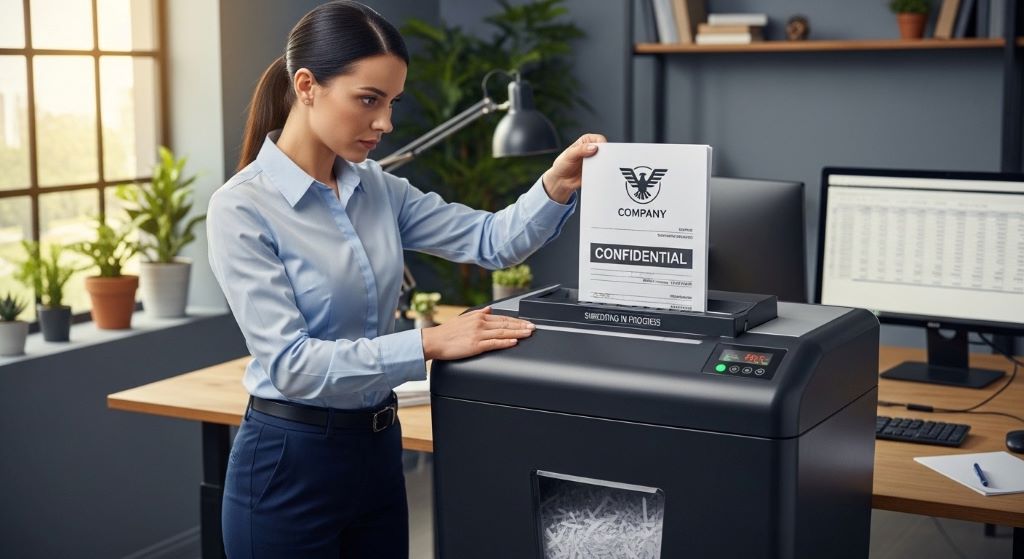
Continuous-duty motors allow for extended shredding sessions without overheating. This feature proves particularly valuable in high-volume environments where multiple employees need to shred documents throughout the day. Additionally, large waste bin capacities reduce interruptions for emptying.
Safety features also play a crucial role in office environments. Auto-reverse functions prevent jams, while safety sensors stop operation when hands get too close to the feed opening. These protections ensure that security measures don’t come at the expense of user safety.
Some advanced models include electronic controls that monitor usage patterns and alert users when maintenance becomes necessary. This proactive approach helps prevent breakdowns and ensures consistent performance over time.
Cost-Effectiveness of Micro-Cut Shredders
While micro-cut shredders typically cost more upfront than basic models, they deliver excellent long-term value. The enhanced security they provide can prevent costly data breaches that far exceed the initial investment.
Organizations must consider the potential costs of a security incident when evaluating shredder purchases. A single data breach can result in hundreds of thousands of dollars in direct costs, not to mention the intangible damage to reputation and customer relationships.
Additionally, the space-saving benefits of micro-cut technology translate into cost savings. Smaller shredded particles compress more efficiently, reducing waste management expenses. Offices can use smaller waste bins or reduce collection frequency, both of which lower operational costs.
Energy efficiency represents another area where modern shredders deliver value. Many current models feature energy-saving modes that reduce power consumption during idle periods. Over the lifespan of the equipment, these savings can be substantial.
Choosing the Right Capacity for Your Office
Selecting appropriate shredding capacity ensures that equipment meets an office’s needs without unnecessary expense. Different office sizes and document volumes require different specifications.
Small offices with light shredding needs might function well with desktop models that handle several sheets at a time. These compact units fit easily into individual workspaces and provide adequate security for occasional use.
Medium-sized offices benefit from departmental shredders that can process higher volumes. These machines typically handle 10-20 sheets simultaneously and feature larger waste bins to accommodate multiple users throughout the day.
Large organizations often require heavy-duty models designed for centralized shredding operations. These industrial-strength machines can run continuously and process hundreds of sheets per hour. They represent the best choice for companies with substantial document destruction needs.
Environmental Considerations
Responsible document destruction extends beyond security to include environmental stewardship. Micro-cut shredders support sustainability goals while maintaining high security standards.
The compact particles produced by these machines are easier to recycle than longer strips from basic shredders. Many recycling facilities prefer receiving finely shredded material because it integrates more readily into their processes. Therefore, offices can maintain security while supporting environmental initiatives.
Furthermore, the reduced volume of shredded material means fewer waste collection trips, which decreases carbon emissions associated with waste management. This benefit aligns with corporate sustainability goals that many organizations have adopted.
Some manufacturers now produce shredders using recycled materials and design them for easy disassembly at end-of-life. These considerations demonstrate that security technology can advance alongside environmental responsibility.
Implementation Best Practices
Simply purchasing a high security shredder isn’t enough to ensure proper document protection. Organizations must implement comprehensive policies governing its use.
Training employees on proper shredding procedures ensures that sensitive materials receive appropriate treatment. Staff should understand which documents require shredding and how to use the equipment correctly. Regular training sessions reinforce these practices and address any questions that arise.
Establishing clear shredding schedules prevents documents from accumulating in unsecured areas. Some offices designate specific times for shredding activities, while others maintain a continuous approach where employees shred documents as soon as they’re no longer needed.
Documentation of shredding activities creates an audit trail that demonstrates compliance with data protection requirements. Some organizations maintain logs recording the dates and types of materials destroyed. This documentation proves valuable during compliance audits or legal proceedings.
Maintenance for Long-Term Performance
Proper maintenance ensures that shredding equipment continues delivering reliable security over many years. Neglected machines can malfunction, potentially compromising document security.
Regular oiling of cutting blades keeps them sharp and prevents jams. Most manufacturers recommend oiling after a specific number of sheets or at set time intervals. Following these guidelines extends blade life and maintains optimal performance.
Emptying waste bins before they reach capacity prevents jams and ensures efficient operation. Overfilled bins can cause shredded material to back up into the cutting mechanism, leading to damage or shutdown.
Professional servicing at recommended intervals identifies potential issues before they become serious problems. Technicians can replace worn components, calibrate systems, and ensure that all safety features function correctly.
Integration with Overall Security Strategies
Micro-cut shredders form one component of comprehensive office security programs. They work most effectively when integrated with other protective measures.
Access controls for shredding equipment ensure that only authorized personnel can dispose of highly confidential documents. Some organizations place shredders in secured areas or use models with user authentication features.
Clear desk policies require employees to store or shred documents at the end of each workday. This approach prevents sensitive information from sitting exposed overnight or during periods when offices have reduced security presence.
Regular security audits assess whether shredding practices adequately protect organizational information. These reviews can identify gaps in current procedures and recommend improvements to strengthen overall security posture.
The Future of Document Security
Technology continues evolving to meet emerging security challenges. Future developments in shredding technology promise even greater protection for confidential documents.
Smart shredders with connectivity features allow organizations to monitor usage remotely and receive alerts about potential issues. This capability enables proactive maintenance and ensures consistent security across multiple office locations.
Integration with document management systems could automate the identification of materials requiring high-security destruction. Such systems might flag documents for shredding based on retention policies, reducing the risk of human error.
Advances in blade technology may produce even smaller particles while maintaining energy efficiency and processing speed. These improvements would further enhance security without sacrificing convenience or sustainability.
Conclusion
Protecting sensitive business information requires sophisticated tools that match current threats. Micro-cut shredders provide offices with the maximum security needed to safeguard confidential documents against reconstruction and misuse. Their ability to reduce paper into tiny particles makes them essential equipment for organizations serious about data protection.
Beyond meeting compliance requirements, these machines demonstrate a commitment to protecting client information, employee privacy, and proprietary business data. The investment in quality shredding technology pays dividends through prevented breaches, maintained customer trust, and peace of mind knowing that sensitive materials receive proper treatment.
As cyber threats continue evolving, physical document security remains equally important. Organizations that implement comprehensive shredding programs using advanced micro-cut technology position themselves to meet both current and future security challenges effectively.
Frequently Asked Questions
What is the difference between cross-cut and micro-cut shredders?
Cross-cut shredders slice paper in two directions, creating confetti-like pieces typically measuring 4mm by 40mm. Micro-cut shredders produce much smaller particles, often 3mm by 10mm or smaller, providing significantly higher security. The smaller particle size makes document reconstruction virtually impossible, making micro-cut the preferred choice for highly sensitive materials.
How often should offices shred documents?
Organizations should shred documents as soon as they’re no longer needed for business purposes. Creating a regular shredding schedule, whether daily, weekly, or monthly, prevents accumulation of sensitive materials. High-volume offices benefit from having shredders readily available so employees can destroy documents immediately when appropriate.
Can micro-cut shredders handle staples and paper clips?
Many micro-cut shredders can process small amounts of staples and paper clips without damage. However, removing these items before shredding extends blade life and prevents jams. Always check the manufacturer’s specifications for your specific model to understand what materials it can safely handle.
What security level do micro-cut shredders provide?
Micro-cut shredders typically meet P-4 or P-5 security levels under DIN 66399 standards, the internationally recognized classification system for document destruction. These levels are suitable for confidential and highly confidential materials, making them appropriate for most business applications requiring enhanced security.
How do you maintain a micro-cut shredder?
Regular maintenance includes oiling the cutting blades according to manufacturer recommendations, emptying waste bins before they reach capacity, and cleaning sensors to ensure proper operation. Professional servicing annually or as recommended helps identify wear and prevents unexpected breakdowns, ensuring consistent security performance.
Related Topics
Why the Momcozy Breastfeeding Support Pillow Is a Must-Have
How to Remove Grease Buildup from Swedish Dishcloth Fibers