

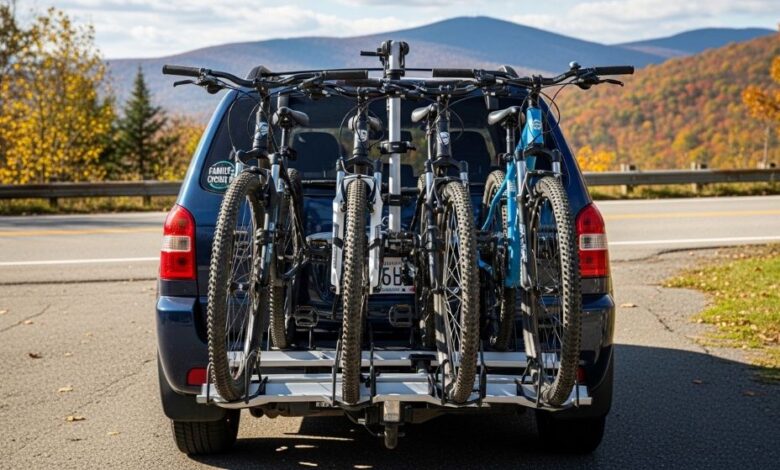
Planning a family cycling adventure or group ride means you need a reliable way to transport several bikes safely. A hitch-mounted bike rack offers one of the most convenient and secure methods for carrying multiple bicycles on your vehicle. Unlike roof racks that require lifting heavy bikes overhead or trunk racks with limited capacity, hitch racks provide easy loading and impressive carrying power.
Choosing the right setup involves more than just picking any rack off the shelf. You need to understand weight limits, compatibility with your vehicle, and the specific features that make transporting multiple bikes safe and convenient. This comprehensive guide will walk you through everything you need to know about selecting, installing, and using a hitch rack for multiple bicycles.
Whether you’re taking your family on weekend trail rides or heading to cycling events with friends, the right hitch rack system makes the journey smooth and worry-free. Let’s explore how to maximize your bike-carrying capacity while maintaining safety and protecting your investment.
Understanding Hitch Rack Basics
Before diving into multi-bike setups, it’s important to understand how hitch racks work. These systems attach to a receiver hitch mounted on your vehicle’s frame. The hitch provides a sturdy anchor point that can support significant weight when properly installed.
Receiver hitches come in different classes, each rated for specific weight capacities. Class I hitches typically support up to 200 pounds of tongue weight, while Class II handles up to 350 pounds. Class III and IV hitches can manage even more, making them ideal for heavier loads.
The tongue weight refers to the downward force exerted on the hitch ball or receiver. For bike racks, this includes the weight of the rack itself plus all the bikes loaded on it. Understanding these limits is crucial for safe transport.
Most hitch racks use either a platform style or hanging style design. Platform racks support bikes by their wheels, while hanging racks hold bikes by the frame. Each style has advantages, and your choice depends on your specific needs and bike types.
Determining Your Vehicle’s Capacity
Not all vehicles can safely carry the same number of bikes. Your SUV bike rack capacity depends on several factors, including your hitch class, vehicle weight rating, and the total weight of your bikes and rack combined.
Start by checking your vehicle’s owner manual for the maximum tongue weight rating. This specification tells you the maximum weight your hitch can safely support. Never exceed this limit, as doing so can damage your vehicle and create dangerous driving conditions.
Consider your vehicle’s size and suspension. Larger SUVs and trucks generally handle multiple bike loads better than smaller sedans or crossovers. The weight distribution affects handling, braking, and overall vehicle stability.
Calculate the total weight you’ll be carrying. Add up the weight of the rack, all bikes, and any accessories. A typical adult bike weighs 25 to 35 pounds, while kids’ bikes are lighter at 15 to 25 pounds. The rack itself can weigh anywhere from 40 to 80 pounds depending on the model.
Additionally, check for any aftermarket modifications that might affect your hitch capacity. Lifted vehicles, oversized tires, or suspension modifications can change weight distribution and handling characteristics.
Choosing Between Rack Styles
Platform racks offer several advantages for carrying multiple bikes. They provide stable support through wheel trays, making loading and unloading easier. Bikes don’t contact each other, preventing scratches and damage during transport.
These racks work with almost any bike type, including those with non-traditional frames like step-through designs or full-suspension mountain bikes. The wheel-based support system accommodates various frame geometries without issue.
However, platform racks are generally heavier and more expensive than hanging racks. They also extend further from your vehicle, which can make parking in tight spaces challenging. Some models feature tilting mechanisms that provide rear vehicle access even with bikes loaded.
Hanging racks cost less and weigh less than platform designs. They’re more compact when not in use and can often fold up against your vehicle. This style works well for standard diamond-frame bikes.
Nevertheless, hanging racks require more care when loading to prevent bikes from contacting each other. The frame contact points can potentially scratch paint or damage carbon fiber frames. You’ll need to position bikes carefully and use padding at contact points.
Selecting the Right Rack for Four Bikes
A 4 bike hitch rack requires careful selection to ensure it meets your needs. Not all racks labeled for four bikes perform equally well, and some work better with specific bike types or vehicle combinations.
Look for racks with adjustable wheel trays or arms that accommodate different bike sizes. Family bike racks need to handle everything from small children’s bikes to full-size adult bikes simultaneously. Adjustability ensures everything fits securely.
Check the individual bike weight capacity for each slot. Some racks rate the total capacity at 200 pounds but limit individual bikes to 35 pounds. This matters if you’re carrying heavier electric bikes or loaded touring bikes.
Examine the spacing between bike positions. Adequate spacing prevents handlebars and pedals from interfering with each other. Wide spacing also makes loading and unloading easier, especially when dealing with multiple bikes at once.
Consider how the rack affects your vehicle’s ground clearance. Longer racks that extend far behind your vehicle may drag on steep driveways or rough terrain. Measure the departure angle before committing to a particular model.
Installation and Setup Process
Proper installation ensures safe transport and prevents damage to your vehicle and bikes. While hitch racks are generally user-friendly, taking time to install correctly makes a significant difference.
Start by ensuring your hitch receiver is clean and free from rust or debris. Apply a light coating of grease to the hitch pin to prevent seizing and make removal easier later. This simple step saves frustration down the road.
Insert the rack’s mounting shaft into the receiver, aligning any anti-wobble mechanisms. Most quality racks include systems to eliminate movement between the rack and hitch. Tighten these mechanisms according to manufacturer specifications.
Secure the rack with the hitch pin and clip. Some racks come with locking hitch pins that prevent theft of the rack itself. Thread the pin through the receiver and rack shaft, then attach the clip to prevent the pin from backing out.
Test the rack’s stability before loading bikes. Grab the rack and attempt to move it side to side and up and down. Minimal movement is normal, but excessive wobbling indicates improper installation or worn components.
Moreover, familiarize yourself with any folding or tilting mechanisms before loading bikes. Understanding these features prevents accidental activation while bikes are loaded, which could cause damage or injury.
Loading Bikes Safely and Securely
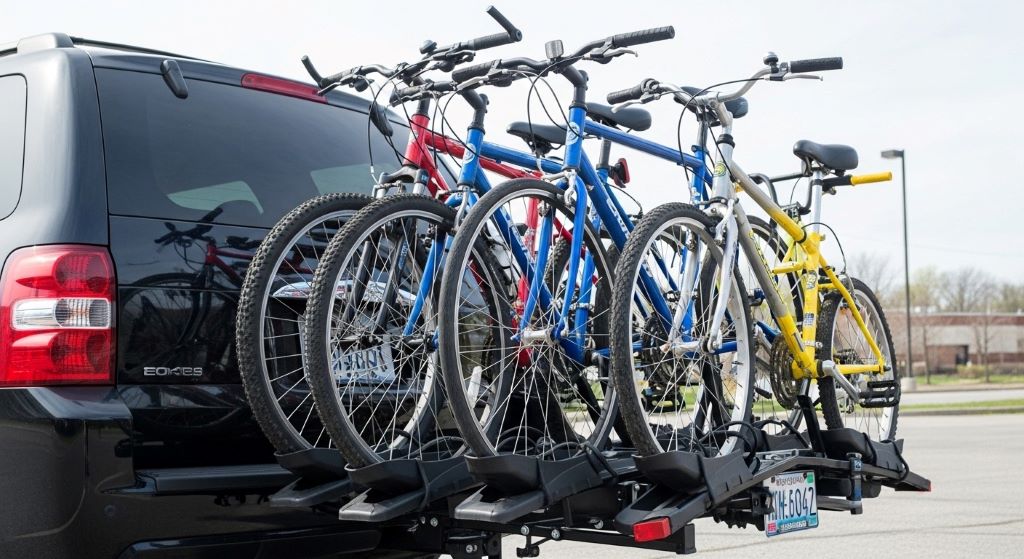
Loading multiple bikes requires a systematic approach to ensure everything stays secure during transport. Random loading often results in bikes shifting, rubbing against each other, or becoming damaged.
Load the heaviest bikes first, positioning them closest to the vehicle. This weight distribution improves stability and handling. Lighter bikes go on the outer positions where they affect vehicle dynamics less.
Alternate handlebar directions when possible. Facing handlebars in opposite directions minimizes interference between bikes and makes better use of available space. This technique works particularly well with platform racks.
Secure each bike individually according to the rack’s design. Platform racks typically use ratcheting arms that clamp down on wheels. Tighten these firmly but avoid over-tightening, which can damage bike components.
For hanging racks, ensure the support arm contacts the frame at a strong point. Avoid clamping carbon fiber frames at thin or weak areas. Use protective padding at all contact points to prevent scratches.
Double-check all attachment points before driving. Walk around the rack, testing each bike for secure attachment. Give each bike a gentle shake to ensure it won’t shift during transport.
Managing Different Bike Types
Modern families often own various bike styles, from kids’ bikes to adult mountain bikes and road bikes. Managing this variety on one rack requires planning and sometimes creative solutions.
Kids’ bikes present unique challenges due to their smaller size. The wheelbases are shorter, and the bikes are lighter, which can make them unstable on racks designed for adult bikes. Some racks include adapters specifically for smaller bikes.
Electric bikes weigh significantly more than traditional bikes, often exceeding 50 pounds. Verify that your rack can handle this weight in individual bike slots, not just total capacity. Position heavy e-bikes closest to the vehicle for better weight distribution.
Full-suspension mountain bikes with unique geometries may require special consideration. Some hanging racks struggle with these frames, making platform racks a better choice for mountain bike enthusiasts.
Road bikes with narrow tires and lightweight frames need gentle handling. Use extra padding on contact points and ensure wheel trays accommodate narrow tire widths. Some platform racks include adjustable wheel holders for different tire sizes.
Fat bikes with oversized tires may not fit standard wheel trays. Check compatibility before purchasing if you regularly transport fat bikes. Specialized racks or adapters may be necessary.
Ensuring Road Safety
Transporting multiple bikes affects your vehicle’s handling and creates specific safety considerations. Understanding these factors helps you drive safely and arrive at your destination without incident.
Your vehicle’s braking distance increases with added weight behind the rear axle. Allow extra following distance and anticipate stops earlier than usual. This becomes especially important in wet or slippery conditions.
The extended length behind your vehicle affects turning radius and parking maneuvers. Watch for curbs, barriers, and other vehicles when turning or backing up. Consider using parking assistance features or backup cameras if available.
Check your rear visibility before departing. Multiple bikes can obstruct your rearview mirror significantly. Adjust side mirrors to compensate and consider adding extended mirrors if necessary. Some drivers add small convex mirrors for additional visibility.
Wind resistance increases substantially with multiple bikes loaded. This affects fuel economy and can create handling challenges in strong crosswinds. Reduce speed in windy conditions and maintain a firm grip on the steering wheel.
Furthermore, check all connections periodically during long trips. Stop every few hours to inspect the rack attachment, bike security, and any signs of wear or loosening. Quick checks prevent problems from developing into serious issues.
Maintaining Your Hitch Rack System
Regular maintenance extends the life of your rack and ensures continued safe operation. A well-maintained rack performs better and protects your bikes more effectively.
Clean the rack after each use, especially following trips in wet or muddy conditions. Salt, dirt, and grime accelerate corrosion and wear on moving parts. Use mild soap and water, then dry thoroughly.
Lubricate moving parts regularly. Hinges, folding mechanisms, and ratcheting arms all benefit from appropriate lubrication. Use products designed for outdoor equipment that won’t attract excessive dirt.
Inspect straps, cables, and locking mechanisms for wear. Replace any components showing fraying, cracking, or significant wear before they fail. Most manufacturers sell replacement parts for common wear items.
Store the rack properly when not in use. Remove it from your vehicle and keep it in a dry location. If you must leave it attached, consider covering it to protect against weather damage.
Check all bolts and fasteners periodically. Vibration during transport can loosen connections over time. Tighten according to manufacturer specifications, but avoid over-tightening which can strip threads.
Legal and Practical Considerations
Understanding regulations and practical limitations helps you avoid problems and make informed decisions about bike transport.
Some jurisdictions require red flags or lights on loads extending beyond certain distances from your vehicle. Check local regulations before traveling, especially across state or provincial lines. Compliance prevents tickets and improves safety.
License plate visibility is often legally required. Many hitch racks obstruct license plates when bikes are loaded. Some racks include license plate relocators that maintain visibility while bikes are mounted.
Parking garages and drive-throughs become problematic with loaded bike racks. The added height from bikes can exceed clearance limits. Always check posted height restrictions before entering covered areas.
Security is a real concern when leaving bikes on a rack unattended. Use quality locks to secure bikes to the rack and lock the rack to your vehicle. Never leave expensive bikes on an outdoor rack overnight in public areas.
Additionally, insurance coverage may have specific requirements for transported bikes. Check with your auto and homeowner’s insurance to understand coverage limits and any necessary riders for expensive bikes.
Maximizing Convenience and Efficiency
Several accessories and techniques can improve your multi-bike transport experience significantly.
Bike covers protect your bikes from road debris, bugs, and weather during transport. They also deter theft by concealing the bikes from casual view. Choose covers designed specifically for bike transport that secure properly at highway speeds.
Wheel straps provide additional security beyond the rack’s built-in systems. These aftermarket additions give peace of mind during long trips or rough roads. They’re particularly useful with lighter bikes that might shift in wind.
Tool kits kept with your rack enable quick adjustments and repairs on the road. Include basic wrenches, Allen keys, and spare straps or pins. Being prepared prevents minor issues from ruining your trip.
Loading ramps help when dealing with heavy bikes or physical limitations. Specialized ramps designed for bike racks make loading easier and safer. This becomes especially valuable with electric bikes or for those with mobility concerns.
Practice loading and unloading at home before your first trip. Familiarity with your specific rack’s operation makes roadside stops quicker and reduces frustration. Understanding the system thoroughly prevents mistakes under pressure.
Conclusion
Carrying multiple bikes with a hitch rack opens up tremendous opportunities for family adventures and group cycling trips. Understanding your vehicle’s SUV bike rack capacity, selecting the appropriate 4 bike hitch rack for your needs, and following proper loading procedures ensures safe and convenient transport.
The key factors include matching your rack to your hitch class, choosing between platform and hanging styles based on your bike types, and maintaining proper weight distribution. Family bike racks must accommodate various bike sizes while providing secure attachment for each bicycle.
Safety considerations such as increased braking distance, reduced visibility, and proper bike securing cannot be overlooked. Regular maintenance of your rack system and awareness of legal requirements protect your investment and prevent problems during transport.
With the right equipment and knowledge, you can confidently transport four or more bikes to your favorite riding destinations. The convenience of a well-chosen hitch rack system makes cycling adventures more accessible and enjoyable for everyone involved.
Take time to research options thoroughly, invest in quality equipment, and practice proper loading techniques. Your efforts will be rewarded with years of reliable service and countless memorable cycling experiences with family and friends.
Frequently Asked Questions
Can my vehicle safely carry a 4 bike hitch rack if it has a Class II hitch?
A Class II hitch can typically handle a four-bike setup if the total weight stays under its rated capacity, usually 350 pounds tongue weight. Calculate the combined weight of your rack and all bikes to ensure you remain within limits. Lighter bikes like kids’ bikes or aluminum road bikes make this more feasible than heavy mountain bikes or e-bikes. Always verify your specific vehicle’s ratings in the owner’s manual.
What’s the difference between platform and hanging hitch racks for multiple bikes?
Platform racks support bikes by their wheels and prevent bike-to-bike contact, making them ideal for families with various bike types including full-suspension and unusual frames. They’re heavier and more expensive but easier to load. Hanging racks hold bikes by the frame, cost less, and weigh less, but require careful loading to prevent bikes from rubbing together and may not work with all frame styles.
How do I prevent my bikes from hitting each other during transport?
Use platform-style racks that separate bikes in individual trays, or carefully stagger handlebars when using hanging racks by alternating which direction they face. Add protective padding at potential contact points. Ensure all bikes are securely fastened with minimal play in the rack’s attachment system. Properly tightened ratcheting arms or frame clamps significantly reduce movement during transport.
Do I need to remove the front wheel when using a hitch rack for multiple bikes?
Most modern hitch racks accommodate bikes with both wheels attached, making loading more convenient. Platform racks almost always hold complete bikes, while some hanging racks work better with front wheels removed. Removing wheels can increase capacity and reduce the overall footprint, but it adds time and complexity to loading. Check your specific rack’s design and instructions.
How much does a quality 4-bike hitch rack typically cost?
Quality four-bike hitch racks range from 400 to 900 dollars for hanging styles and 600 to 1,200 dollars for platform designs. Premium models with advanced features like tool-free installation, easy folding mechanisms, and superior build quality cost more but offer better longevity and convenience. Budget options exist but may sacrifice durability or weight capacity. Consider this a long-term investment in your cycling lifestyle.
Related Topics:
How to Adjust Bike Brakes: A Comprehensive Guide
When Should Replace Bike Tires? Tread Wear and Safety Tips