


You’re finally ready to replace that lumpy, flat pillow you’ve been battling with for months. You walk into the bedding aisle, and there they are: the fluffy, cloud-like options labeled “down” and the slightly firmer, more affordable ones labeled “feather.” They look similar, but the price difference makes you pause. Is the expensive one really worth it, or are you just paying for a brand name? The answer isn’t as simple as “soft vs. firm.” Understanding the real difference between down and feather pillows is the key to finally getting the support your neck and shoulders need for a full night’s rest. Our Pillow Showcase bedding guides break down the materials, comfort levels, and durability so you can make the right choice for your sleep style. Let’s get into what actually sets these two popular fillings apart.
Quick Answer
Down pillows are made from the soft, fluffy undercoating of geese or ducks, offering a plush, moldable feel with excellent breathability. Feather pillows are made from the outer, flat feathers of the bird, making them firmer, more supportive, and significantly more affordable. In short: choose down for a luxurious, soft “sink-in” feel, and choose feather for a firmer, more structured pillow that provides better neck support without the premium price tag.
Key Takeaways
- Material Matters: Down is the soft undercoating, while feathers are the flat outer layer. This single distinction dictates all other differences in feel and performance.
- Support vs. Plushness: Feather pillows offer firmer support for back and side sleepers, while down pillows provide a cloud-like, moldable softness ideal for stomach sleepers.
- Price is a Major Factor: Down pillows are significantly more expensive due to the labor-intensive harvesting process and the sheer volume of down needed to fill a pillow.
- Durability and Maintenance: High-quality down pillows can last 10+ years with proper care, while feather pillows tend to flatten and lose their shape more quickly, often needing replacement after 2-3 years.
What Are the Core Differences Between Down and Feathers?
The most fundamental difference isn’t about brand or quality—it’s about the biology of the bird. A feather pillow and a down pillow are made from two completely different parts of a goose or duck.
The Anatomy: Down Clusters vs. Feather Quills
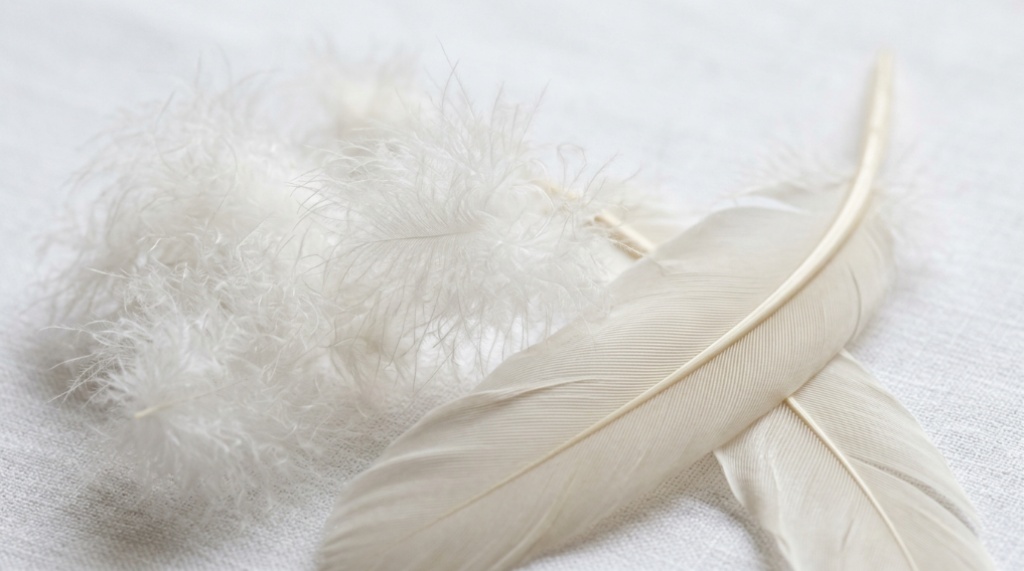
Down is the soft, fluffy undercoating that lies beneath the bird’s outer feathers. It consists of three-dimensional clusters that lack a stiff central quill. These clusters trap air, creating incredible insulation and loft (height). When you press on a down pillow, it compresses and then bounces back, but it doesn’t offer structural resistance. This is why down feels so luxurious and soft.
Feathers, on the other hand, are the bird’s outer layer. They have a flat shape and a rigid central spine called a quill. This quill provides structure and support. When you put weight on a feather pillow, the quills resist the pressure, creating a firmer, more supportive surface. However, those same quills can sometimes poke through the fabric, which is a common complaint among feather pillow users, For more bedding options, check out our guide on compare buckwheat pillows in california.
Comfort and Feel: Which Is Softer?
If you’re looking for a pillow that feels like sleeping on a marshmallow, down is the clear winner. It offers a “sink-in” sensation where the pillow molds to the contours of your head and neck. This is perfect for people who like to hug their pillow or who sleep on their stomach and need minimal elevation.
Feather pillows provide a “sleeping on” rather than “sinking into” experience. They have a springy, bouncy feel that holds your head up. This makes them a better choice for back and side sleepers who need their spine to remain aligned. The pillow pushes back against your head, providing the necessary support to prevent neck strain.
Support and Sleep Position: Which Is Better for Your Neck?
Your sleeping position is the single most important factor in choosing between down and feather. Using the wrong type can lead to a sore neck, headaches, and poor sleep quality.
- Stomach Sleepers: Need the flattest, softest pillow possible to avoid cranking their neck upward. A down pillow is the best choice here because it flattens easily and provides just a hint of cushion.
- Back Sleepers: Need moderate support to maintain the natural curve of the neck. A feather pillow is generally better, as its firmness keeps the head from sinking too far down, which can strain the neck.
- Side Sleepers: Require a high-loft, firm pillow to fill the gap between the ear and the shoulder. A feather pillow with a high fill power is often recommended, though some side sleepers find a “down and feather blend” provides the right mix of softness and support.
Durability, Maintenance, and Allergies
Beyond the feel, you need to consider how the pillow will hold up over time and whether it’s a safe choice for your health.
Lifespan and Shape Retention
Down clusters are incredibly resilient and can be fluffed back to their original shape for years. A high-quality down pillow is an investment that can last a decade or more. Feather pillows, however, are less durable. The quills can break down, and the feathers tend to flatten and clump, losing their loft and support much faster. Expect to replace a feather pillow every 1-2 years.
Allergen Considerations
This is a critical point. While many people are allergic to dust mites, which can live in any pillow, some are specifically allergic to the proteins found in bird feathers. If you have a known allergy to birds, you should avoid both down and feather pillows entirely and opt for a hypoallergenic synthetic alternative. Even if you aren’t allergic, feathers can poke through the fabric, causing skin irritation. Always look for pillows with a tightly woven, high-thread-count cotton shell (often called a “down-proof” or “feather-proof” casing) to minimize this risk.
Down vs. Feather: A Head-to-Head Comparison
To help you visualize the differences, here’s a quick comparison table based on the key decision factors:
| Feature | Down Pillow | Feather Pillow |
|---|---|---|
| Feel | Plush, soft, moldable, “cloud-like” | Firm, springy, bouncy, structured |
| Support | Minimal; allows head to sink | High; pushes back against the head |
| Best For | Stomach sleepers, those who want a soft pillow | Side and back sleepers, those needing neck support |
| Price | High ($$$) | Low to Moderate ($ – $$) |
| Durability | Long-lasting (10+ years) | Shorter lifespan (1-3 years) |
| Maintenance | Requires daily fluffing; needs professional cleaning or air-drying | Requires frequent fluffing; easier to wash at home |
| Allergens | Can harbor dust mites; potential bird protein allergy | Can harbor dust mites; potential bird protein allergy; quills may poke through |
How to Choose: A Practical Decision Guide
If you’re still on the fence, ask yourself these three questions to narrow down the choice:
- What is my primary sleep position? If you sleep on your stomach, get a down pillow. If you sleep on your side or back, get a feather pillow.
- Do I prefer a soft or firm feel? If you like to “sink in” and feel enveloped, choose down. If you want your head to be propped up and held in place, choose feather.
- What is my budget? If you’re looking for a budget-friendly option and don’t mind replacing it every couple of years, a feather pillow is a great choice. If you want a long-term luxury investment, save up for a high-quality down pillow.
There is also a middle ground: the down and feather blend. These pillows typically contain a mix of 50% down and 50% feathers. They offer the softness of down with the support of feathers at a more accessible price point than pure down. This is often the best compromise for back sleepers who find pure feather too hard and pure down too soft, For more bedding options, check out our guide on how to compare buckwheat pillows in california.
Frequently Asked Questions
Can I wash a down or feather pillow?
Yes, but it’s tricky. You can wash them on a gentle cycle with a mild detergent, but they must be dried thoroughly on a low heat setting with dryer balls or tennis balls to break up the clumps. If not dried completely, the filling will mold and develop a musty odor. Many people opt for professional dry cleaning instead.
Why do feather pillows smell?
Feathers can retain odors if they aren’t cleaned properly or if the pillow gets damp. Some pillows also have a natural “animal” smell that lingers. Air-drying the pillow in the sun can help neutralize odors. If the smell is strong and persistent, it’s a sign the pillow needs a deep clean or replacement.
Are down pillows bad for your neck?
Not necessarily, but they aren’t ideal for everyone. Because they offer little resistance, they can cause your head to sink too low if you sleep on your back or side, leading to neck strain. They are best suited for stomach sleepers who need minimal lift.
What is “fill power” in a down pillow?
Fill power measures the loft, or fluffiness, of the down. It indicates how many cubic inches one ounce of down occupies. A higher fill power (e.g., 700+) means the down is higher quality, more insulating, and provides more loft and softness per ounce.
Is a feather pillow good for side sleepers?
Yes, a firm feather pillow is often an excellent choice for side sleepers. The firmness and high loft help fill the space between your shoulder and head, keeping your spine aligned. However, you may need to “plump” the pillow to ensure the feathers are evenly distributed.
Conclusion
Choosing between a down and a feather pillow ultimately comes down to your personal sleep profile. If you crave a luxurious, soft, and moldable surface and are willing to invest in a long-lasting product, a down pillow is worth the splurge. If you need firm support to keep your neck aligned and prefer a more budget-friendly option, a feather pillow will serve you well. Remember to consider your sleep position, budget, and any allergies before making your final decision. The perfect pillow is out there, and now you have the knowledge to find it.