
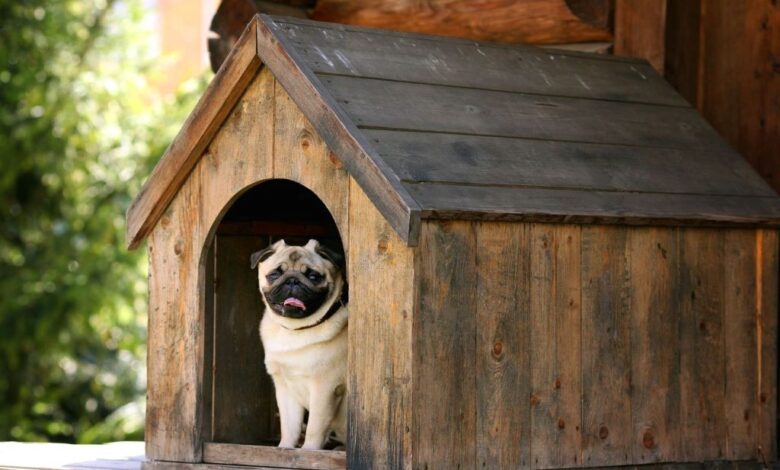
Ensuring your dog’s safety starts with protecting their home. Selecting the safest non-toxic sealant for dog house wood, safe for chewing, is a critical decision for pet owners who want to avoid exposing their dogs to harmful chemicals while keeping their wooden dog house durable and weather-resistant. Whether you’re building a new shelter or maintaining an old one, a safe sealant is key to ensuring both health and longevity. For expert advice and recommendations, you can always explore Dogguides.
Why Your Dog’s House Needs a Non-Toxic Sealant
Your dog’s house serves as more than just a shelter; it’s a safe space where they can relax and feel secure. However, untreated wood can absorb moisture, attract pests, and deteriorate over time. For dogs that enjoy chewing, an untreated or chemically treated dog house poses serious risks.
Non-toxic sealants eliminate these hazards by providing:
- Protection from Moisture: Preventing water damage that can lead to mold or rot.
- Chewing Safety: Ensuring that even curious, chewing dogs won’t ingest harmful substances.
- Durability: Extending the lifespan of the dog house.
By sealing the wood with pet-safe products, you create a healthy environment for your furry friend without compromising on durability or aesthetics.
Top Features of a Non-Toxic Sealant
When choosing a sealant, ensure it meets the following criteria:
- Pet-Safe Ingredients: Look for certifications such as “food-safe” or “VOC-free.”
- Eco-Friendly: Biodegradable and low-impact on the environment.
- Durability: Long-lasting protection against elements like water and UV rays.
- Easy Application: Prefer products that dry quickly and require minimal effort to apply.
Best Non-Toxic Sealants for Dog House Wood
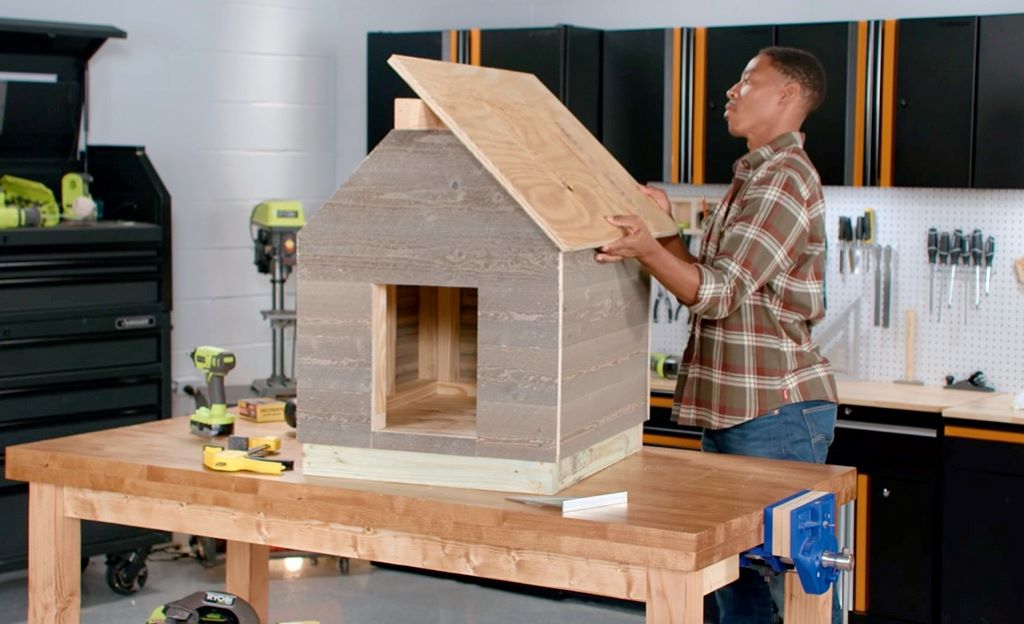
Linseed Oil
A natural, plant-based option, linseed oil is excellent for wood protection. It penetrates deep into the grain, preventing water damage while remaining completely safe for pets if ingested.
- Pros: Affordable, widely available, eco-friendly.
- Cons: Requires reapplication every 12–18 months.
Tung Oil
Tung oil, extracted from tung tree seeds, is a strong, non-toxic sealant that’s both waterproof and resistant to wear.
- Pros: Durable, high water resistance, naturally safe.
- Cons: Longer drying time compared to alternatives.
Beeswax-Based Sealant
Beeswax blends are another natural choice, combining wax with natural oils to create a protective, chew-safe coating for your dog’s house.
- Pros: Pleasant scent, easy to apply, biodegradable.
- Cons: Wears off faster than tung oil or linseed oil.
Milk Paint and Non-Toxic Sealer
Milk paint provides a colorful, VOC-free finish when paired with a non-toxic sealant, making it a safe and stylish choice.
- Pros: Vibrant colors, customizable, safe for pets.
- Cons: Initial cost may be higher than other options.
Maintaining Your Dog’s Cabin Style Dog House
Proper maintenance of a cabin style dog house ensures comfort and durability for your pet. Besides choosing a non-toxic sealant, here are tips to keep the house in top condition:
- Regular Cleaning: Wash the house with mild soap and water to remove dirt and bacteria.
- Inspect for Wear and Tear: Look for cracks, peeling sealant, or other signs of damage.
- Apply Sealant as Needed: Reapply the non-toxic sealant periodically to maintain wood protection.
Step-by-Step Guide to Applying Non-Toxic Sealant
Prepare the Wood Surface
Before applying the sealant, sand the surface to remove splinters and rough edges. Cleaning the surface ensures proper adhesion.
Apply the Sealant Evenly
Using a brush or cloth, apply the sealant in thin, even layers. Focus on edges and corners where moisture can penetrate.
Allow Proper Drying Time
Most non-toxic sealants require 24–48 hours to dry completely. Ensure the house is in a well-ventilated space during this process.
Reapply as Necessary
Depending on weather exposure, reapply the sealant every 12–24 months to ensure continued protection.
FAQs
What makes a sealant non-toxic for pets?
A sealant is non-toxic when it lacks harmful VOCs, lead, or chemical solvents. Labels such as “food-safe” or “pet-safe” confirm suitability for pets.
Can non-toxic sealants withstand extreme weather?
Yes, most non-toxic sealants, like tung oil and beeswax, offer excellent waterproofing and UV protection when properly applied.
Is linseed oil safe for chewing dogs?
Yes, boiled or raw linseed oil is pet-safe when dried, making it a popular choice for chew-prone dogs.
How often should a dog house be resealed?
The frequency depends on the sealant. Natural options like linseed oil may need yearly application, while tung oil lasts longer.
What are the benefits of a sealed dog house?
A sealed dog house prevents water damage, resists pests, and ensures a safe chewing surface, increasing its longevity and safety.
How can I tell if a sealant is pet-safe?
Look for certifications like “food-grade” or “VOC-free.” Check ingredient lists to avoid harmful chemicals.
You Might Enjoy: Senior Dog Care: Tips for Golden Years
Conclusion
Choosing the right non-toxic sealant for dog house wood safe for chewing is a vital step in creating a safe and durable shelter for your pet. From natural oils like linseed and tung oil to beeswax-based solutions, there are plenty of options to suit every pet owner’s needs. With regular maintenance and the right products, your dog’s house will remain a safe, comfortable haven for years to come.