

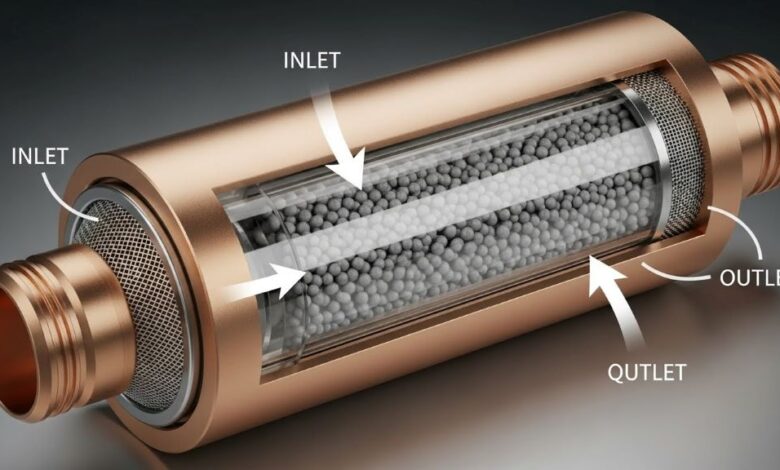
Refrigerators are essential appliances in every home. However, when components fail repeatedly, it can be frustrating and costly. One common issue homeowners face is the repeated burnout of the filter drier. Understanding why this happens can save you time and money. At The Funky Kitchen, we help you navigate appliance problems with practical solutions.
The filter drier plays a crucial role in your refrigerator’s cooling system. It removes moisture and contaminants from the refrigerant. When it burns out repeatedly, something else is usually wrong. Therefore, identifying the root cause is essential for a permanent fix.
What is a Filter Drier and Why Does it Matter?
A filter drier is a small but vital component in your fridge’s cooling system. It sits between the condenser and the expansion valve. Its job is simple yet critical. It filters out debris and absorbs moisture that can damage the system.
Moisture is the enemy of refrigeration systems. Even tiny amounts can cause ice blockages or corrode metal parts. Additionally, contaminants can clog narrow passages and reduce efficiency. The filter drier prevents these problems by keeping the refrigerant clean and dry.
Understanding the parts of a fridge cooling system drier helps you appreciate why this component matters so much. When it fails, your entire cooling system suffers. However, repeated failures suggest deeper issues that need attention.
Common Reasons for Repeated Filter Drier Burnout
Moisture Contamination in the System
Moisture is the leading cause of filter drier failure. When refrigerant lines are opened during repairs, humid air can enter. This moisture then travels through the system. The filter drier absorbs it until it reaches capacity.
Once saturated, the drier cannot absorb more moisture. Ice crystals form inside the system. These blockages restrict refrigerant flow. Consequently, the compressor works harder and generates excess heat. This cycle eventually burns out the filter drier.
Multiple repair attempts without proper evacuation worsen this problem. Each time the system opens, more moisture enters. Therefore, proper vacuum procedures are essential during any repair work.
Inadequate System Evacuation During Repairs
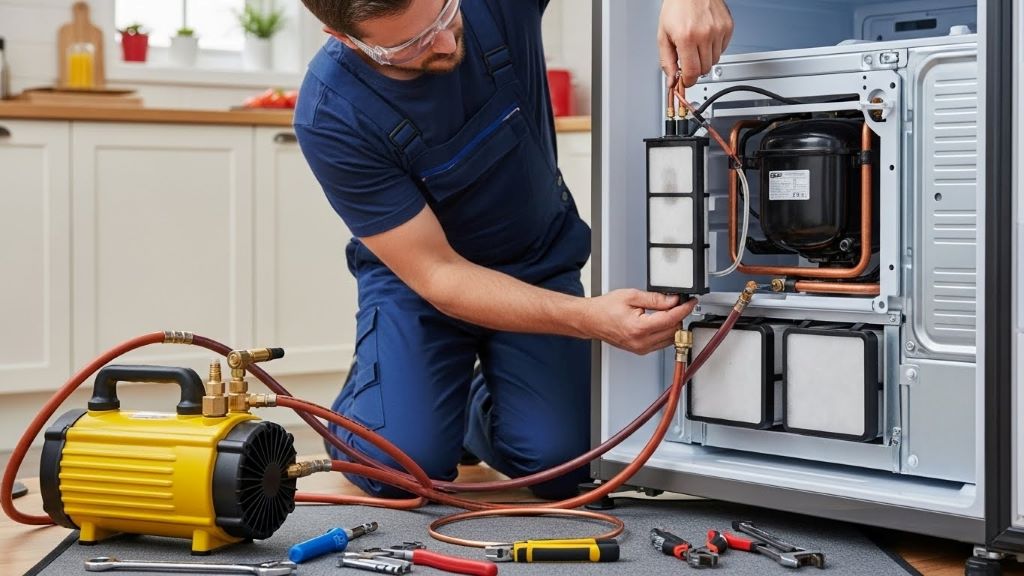
Proper evacuation is critical when working on refrigeration systems. Technicians must remove all air and moisture before adding refrigerant. This process requires specialized equipment and adequate time.
Many rushed repairs skip this crucial step. A vacuum pump should run for at least 30 minutes. However, some technicians cut corners to save time. As a result, moisture and air remain trapped inside.
This contamination immediately starts damaging components. The new filter drier absorbs moisture but quickly becomes overwhelmed. Within weeks or months, it fails again. Repeated failures often trace back to improper evacuation techniques.
Compressor Problems Creating Excess Heat
A failing compressor generates excessive heat throughout the system. This heat breaks down refrigerant oil and creates acidic compounds. These acids attack metal components and create debris.
The filter drier tries to capture this contamination. However, the constant influx overwhelms its capacity. Additionally, high temperatures reduce the drier’s effectiveness. It cannot absorb moisture properly in extreme heat.
According to appliance repair experts, compressor issues account for many repeated component failures. Replacing only the filter drier addresses the symptom, not the cause. Therefore, comprehensive system diagnosis is necessary.
Refrigerant Leaks and Repeated Recharging
Leaks force technicians to repeatedly open the system for repairs. Each time they add refrigerant, they introduce potential contamination. Moreover, leaks allow moisture-laden air to enter the system.
Finding and fixing leaks requires patience and proper equipment. However, some repairs only address obvious leak points. Hidden leaks continue introducing moisture and air. Consequently, the filter drier fails again.
Multiple recharge cycles without fixing all leaks create a vicious cycle. The system never achieves proper dryness. Therefore, comprehensive leak detection is essential before replacing the filter drier.
Using Low-Quality Replacement Parts
Not all filter driers are created equal. Budget-friendly options may seem attractive initially. However, they often lack the capacity and quality of original equipment.
Inferior driers use less desiccant material inside. They reach saturation faster than quality parts. Additionally, poor construction allows refrigerant to bypass the filtering medium. This defeats the entire purpose of the component.
Investing in quality replacement parts saves money long-term. Premium filter driers last longer and protect other components better. Therefore, choosing reputable brands is wise.
Incorrect Filter Drier Size
Filter driers come in various sizes for different applications. Using the wrong size creates problems. A drier that is too small cannot handle the system’s moisture load.
It quickly becomes saturated and fails. However, an oversized drier can restrict refrigerant flow. This creates pressure issues and reduces cooling efficiency.
Proper sizing requires understanding your refrigerator’s specifications. Technicians should consult manufacturer guidelines. Additionally, they should consider system history when selecting replacements.
Signs Your Filter Drier Needs Replacement
Recognizing warning signs helps prevent complete system failure. Temperature differential across the drier indicates problems. If one side is significantly colder, ice blockage may be forming.
Reduced cooling performance suggests restricted refrigerant flow. Your fridge runs constantly but does not cool properly. Additionally, frost buildup in unusual places indicates moisture problems.
Strange noises from the compressor signal stress on the system. A properly functioning filter drier helps the compressor run smoothly. However, a failed drier forces the compressor to work harder.
How to Prevent Repeated Filter Drier Failures
Prevention starts with proper installation and repair procedures. Always hire qualified technicians who follow manufacturer protocols. They should use vacuum pumps and allow adequate evacuation time.
Furthermore, address underlying problems before replacing the filter drier. Fix all refrigerant leaks completely. Test the compressor for proper operation. Moreover, ensure the system is completely dry before closing it up.
Use quality replacement parts from reputable manufacturers. While they cost more initially, they provide better protection. Additionally, proper maintenance extends the life of all components.
Regular cleaning of condenser coils improves system efficiency. This reduces stress on the compressor and other components. Therefore, preventive maintenance pays dividends over time.
When to Call a Professional
Some refrigerator problems require professional expertise. Repeated filter drier failures definitely fall into this category. A qualified technician has the tools and knowledge to diagnose root causes.
They can perform proper leak detection using electronic sensors. Additionally, they can test compressor performance accurately. Moreover, they ensure proper evacuation and system dryness.
According to Consumer Reports, professional repairs often cost less long-term than repeated DIY attempts. Proper diagnosis saves money by fixing problems correctly the first time.
Understanding the Complete Cooling System
The filter drier is just one part of a complex system. The compressor, condenser, expansion valve, and evaporator all work together. Problems in any component affect the entire system.
Understanding these relationships helps you make informed decisions. When one part fails repeatedly, look beyond that component. The real problem may lie elsewhere in the system.
Comprehensive system diagnosis considers all components. This holistic approach identifies hidden issues. Therefore, it prevents the frustration of repeated repairs.
Conclusion
Repeated filter drier burnout frustrates homeowners and wastes money. However, understanding the underlying causes empowers better decisions. Moisture contamination, inadequate evacuation, compressor problems, refrigerant leaks, and poor-quality parts all contribute to failures.
Proper diagnosis and repair prevent recurring issues. Investing in quality parts and professional service saves money long-term. Additionally, addressing root causes rather than symptoms ensures lasting repairs.
Your refrigerator deserves proper care to function reliably. By recognizing warning signs and acting promptly, you protect your investment. Therefore, do not ignore repeated component failures. They signal deeper problems requiring professional attention.
Frequently Asked Questions
How often should a filter drier be replaced?
Filter driers typically last the lifetime of the refrigerator under normal conditions. However, they should be replaced whenever the refrigeration system is opened for repairs. This includes compressor replacement, leak repairs, or refrigerant recharging. The drier may become saturated during these procedures.
Can I replace a filter drier myself?
Replacing a filter drier requires specialized tools and refrigeration knowledge. You need a vacuum pump, manifold gauges, and proper refrigerant handling equipment. Additionally, you must follow EPA regulations for refrigerant recovery. Therefore, hiring a qualified technician is strongly recommended for this repair.
How much does filter drier replacement cost?
Professional filter drier replacement typically costs between $150 and $300. This includes the part, labor, evacuation, and refrigerant recharge. However, costs vary by location and refrigerator model. Addressing underlying problems may increase the total repair cost but prevents repeated failures.
What happens if I do not replace a failed filter drier?
A failed filter drier allows moisture and contaminants to circulate freely. This causes ice blockages, restricts refrigerant flow, and damages the compressor. Eventually, the entire cooling system fails. Moreover, compressor replacement costs significantly more than timely filter drier replacement.
How can I tell if moisture is in my refrigeration system?
Professional technicians use acid test kits to detect moisture contamination. Signs include poor cooling performance, ice formation on components, and unusual compressor noises. Additionally, repeated filter drier failures strongly suggest moisture problems. A qualified technician can perform proper testing and diagnosis.
Related Topics:
Budget-Friendly Power Tools You Need This Year: Spotlight on AVID POWER 20V Kit


