
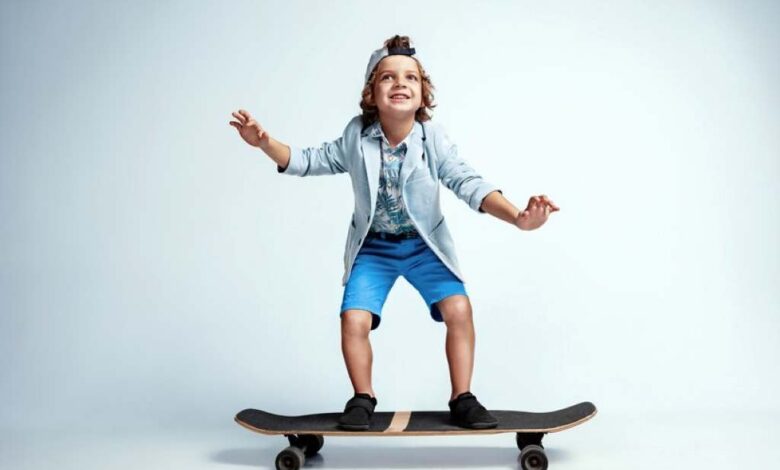
Hey there, fellow parents! So, your little one is itching to hit the skate park, huh? That’s awesome! Skateboarding is a fantastic way for kids to get exercise, build confidence, and express themselves. But before they start shredding, we need to make sure they have the right board. Choosing the right skateboard size for your kid can make a world of difference in their enjoyment and success. Think of it like buying shoes – a good fit is crucial!
According to a study published in the Journal of Sports Sciences, proper equipment significantly impacts a child’s ability to learn and develop skills in sports. This is especially true for skateboarding, where balance and control are key. A board that’s too big or too small can lead to frustration, and even worse, injuries. Nobody wants that!
So, how do you find the perfect fit? Let’s break it down.
Why Size Matters
Imagine trying to learn to ride a bike that’s way too big for you. Tricky, right? It’s the same with skateboards. A board that’s too large will be difficult to control, while a board that’s too small won’t provide enough stability.
Here’s why:
Balance: A properly sized board allows your child to easily shift their weight and maintain balance.
Control: Smaller boards are easier to maneuver, which is perfect for beginners.
Confidence: When kids feel comfortable and in control, they’re more likely to stick with it and progress.
Age is Just a Number (Sometimes)

While age can be a starting point, it’s not the be-all and end-all. Kids come in all shapes and sizes, just like skateboards! Instead of focusing solely on age, consider your child’s shoe size and overall comfort level.
Think of it this way: You wouldn’t buy a pair of shoes for your child based on their age alone, would you? You’d want to make sure they fit snugly and comfortably. The same goes for skateboards.
Deck Size: The Heart of the Matter
The deck is the flat, wooden part of the skateboard that you stand on. Deck sizes are measured in inches, both in width and length. For kids, the width is the most important factor.
Here’s a general guideline:
Ages 4 and under: 6.5″ to 7″ wide
Ages 5 to 8: 7″ to 7.5″ wide
Ages 9 to 12: 7.5″ to 8″ wide
Remember, these are just guidelines. The best way to find the right size is to have your child stand on a few different boards and see what feels most comfortable.
Think Goldilocks: Not too wide, not too narrow, but just right!
Complete vs Custom: What’s the Deal?
When you walk into a skate shop, you’ll see two main types of skateboards: completes and customs.
Completes: These are pre-assembled boards that come with everything you need – deck, trucks, wheels, and bearings. They’re a great option for beginners because they’re affordable and ready to ride right out of the box.
Customs: These boards are built from scratch, allowing you to choose each component individually. This is a great option for experienced skaters who want to customize their setup, but it can be overwhelming for beginners.
For most kids starting out, a complete skateboard is the way to go. It’s like buying a complete Lego set instead of individual bricks – easier and faster to get started with!
Wheels: Not Just for Rolling
Skateboard wheels come in different sizes and hardnesses, which affect how the board rides.
Size: Smaller wheels are slower and more stable, while larger wheels are faster and better for cruising.
Hardness: Harder wheels are faster and more durable, while softer wheels are smoother and grippier.
For beginners, I recommend starting with smaller, softer wheels. This will provide more stability and make it easier to learn the basics, similar to how a Teenage Mutant Ninja Turtles skateboard for kids can help young riders gain confidence. It’s like learning to drive on a smooth, empty parking lot before hitting the highway.
Let’s Go Shopping! (Tips for Choosing a Board)
Now that you know the basics, it’s time to hit the skate shop! Here are a few tips to keep in mind:
Visit a local skate shop: The staff at a local skate shop can help you find the perfect board for your child’s needs and skill level. Plus, you’ll be supporting a local business!
Have your child try out different boards: Let your child stand on a few different boards to see what feels most comfortable. Pay attention to their stance and balance.
Don’t overspend: You don’t need to buy the most expensive board on the market. There are plenty of great quality completes available at reasonable prices.
Consider safety gear: A helmet and pads are essential for any skateboarder, especially beginners.
Think of it like buying a first baseball glove: You want something that fits well, is comfortable, and will help them learn the game without breaking the bank.
Beyond the Board: Safety First!
Okay, you’ve got the perfect board. Now, let’s talk safety. Skateboarding, like any sport, comes with risks. But by taking the right precautions, you can help your child stay safe and have fun.
Helmet: A properly fitted helmet is a must-have. It can protect your child’s head in case of a fall.
Pads: Elbow and knee pads can help prevent scrapes and bruises.
Wrist guards: These can help protect your child’s wrists from fractures.
Supervision: Especially for beginners, it’s important to supervise your child while they’re skateboarding.
Think of safety gear like a seatbelt in a car – it might not prevent every accident, but it can significantly reduce the risk of serious injury.
Finding the Right Learning Environment
Where your child learns to skateboard can make a big difference.
Smooth, flat surfaces: Start with a driveway, parking lot, or smooth sidewalk. These surfaces are ideal for practicing balance and basic maneuvers.
Skate parks: Once your child has mastered the basics, they can progress to a skate park. But remember to start with the smaller ramps and obstacles.
Lessons: Consider enrolling your child in skateboarding lessons. A qualified instructor can teach them the proper techniques and safety procedures.
Think of learning to skateboard like learning to swim. You wouldn’t throw your child into the deep end right away, would you? You’d start in the shallow end and gradually progress to deeper water.
Keep the Stoked High!
Learning to skateboard takes time and practice. Encourage your child to be patient and persistent. Celebrate their successes, big and small. And most importantly, make sure they’re having fun!
Remember, skateboarding is more than just a sport. It’s a way for kids to express themselves, build confidence, and make lifelong friends. So, get out there, support your little shredder, and enjoy the ride!
In Conclusion
Choosing the perfect skateboard size for your child is an important step in their skateboarding journey. By considering their age, shoe size, and comfort level, you can find the perfect board to help them learn, grow, and have fun. Remember to prioritize safety, find a good learning environment, and encourage your child to keep practicing. And who knows, maybe you’ll have a future Tony Hawk on your hands!