
Experiencing a cracking or popping sound in your knees during squats is a common occurrence. While it can be unsettling, it’s often harmless. Understanding the reasons behind these sounds can help you address any underlying issues and ensure safe, effective workouts.
Understanding Knee Anatomy and Movement
The knee is a complex joint comprising bones, cartilage, ligaments, tendons, and synovial fluid. During movements like squats, these components interact closely. Sometimes, this interaction produces audible sounds.
Common Causes of Knee Cracking
- Gas Bubble Release: Synovial fluid lubricates the knee joint. Movements can cause gas bubbles within this fluid to burst, leading to a cracking sound. This phenomenon, known as cavitation, is typically harmless.
- Ligament and Tendon Movement: As you squat, ligaments and tendons may shift slightly over bones, producing a snapping or popping noise. This is generally not a cause for concern unless accompanied by pain.
- Cartilage Wear: Over time, the cartilage cushioning your knee can wear down, leading to rough surfaces that create noise during movement. This wear is more common with age or repetitive stress.
- Meniscus Tears: The meniscus acts as a shock absorber in the knee. Tears can cause clicking or popping sounds and may require medical attention if painful.
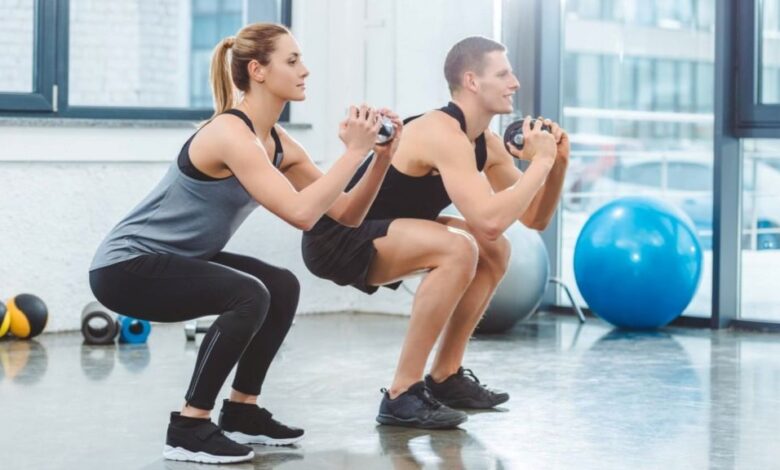
- Improper Squat Form: Incorrect technique can place undue stress on the knee joint, leading to noises and potential injury. Ensuring proper alignment and movement is crucial.

When to Be Concerned
While knee cracking is often benign, certain symptoms warrant medical evaluation:
- Pain: Persistent or sharp pain during or after squats.
- Swelling: Noticeable inflammation around the knee joint.
- Instability: Feeling that the knee may give out.
- Locking: Inability to fully bend or straighten the knee.
These signs could indicate conditions like arthritis, ligament injuries, or meniscal tears. Consulting a healthcare professional is advisable in such cases.
Preventing Knee Cracking During Squats
Implementing certain strategies can minimize knee noises and enhance joint health:
- Warm-Up Properly: Engage in dynamic stretches to prepare the muscles and joints for activity.
- Focus on Form: Maintain proper alignment—knees over toes, back straight, and controlled movements.
- Strengthen Supporting Muscles: Target the quadriceps, hamstrings, and glutes to support knee stability.
- Use Resistance Bands: Incorporating bands can promote correct knee tracking and muscle engagement.
- Avoid Deep Squats if Necessary: Limiting the range of motion can reduce stress on the knees, especially if discomfort is present.
Expert Tips for Healthy Knees
- Consult a Physical Therapist: They can assess your movement patterns and provide personalized exercises.
- Stay Active: Regular, low-impact activities like swimming or cycling can maintain joint health.
- Maintain a Healthy Weight: Reducing excess weight decreases stress on the knee joints.
- Consider Supplements: Some individuals find relief with glucosamine or fish oil, though evidence varies.
Read More: Yoga Poses for Runners to Prevent IT Band Syndrome
Featured Snippet:
Q: Is it normal for knees to crack during squats?
A: Yes, knee cracking during squats is common and often harmless. It can result from gas bubble release in the joint, movement of ligaments or tendons, or minor cartilage wear. However, if the cracking is accompanied by pain, swelling, or instability, it’s advisable to consult a healthcare professional to rule out underlying issues.
FAQs
-
Can knee cracking be prevented entirely?
Not always, but proper technique and strengthening exercises can reduce occurrences.
-
Does knee cracking indicate arthritis?
Not necessarily. While arthritis can cause joint noises, cracking alone isn’t a definitive sign.
-
Should I stop squatting if my knees crack?
If there’s no pain or discomfort, continuing with proper form is generally safe.
-
Are certain individuals more prone to knee cracking?
Yes, factors like age, activity level, and joint anatomy can influence susceptibility.
-
Can footwear affect knee health during squats?
Absolutely. Proper shoes provide support and alignment, reducing knee stress.
-
Is it better to squat with or without weights if my knees crack?
Starting without weights allows focus on form. Gradually adding resistance can be beneficial if no pain occurs.
-
When should I seek medical advice for knee cracking?
If cracking is accompanied by pain, swelling, or functional limitations, consult a healthcare provider.
Understanding the reasons behind knee cracking during squats empowers you to take proactive steps for joint health. By focusing on proper technique, strengthening exercises, and listening to your body, you can continue to squat safely and effectively.
Read More: Can Skateboarding Melt Belly Fat: Discover the Ultimate Cardio Workout!